


Why Is Thermal Expansion & Contraction a Problem for Seamless Pipes?
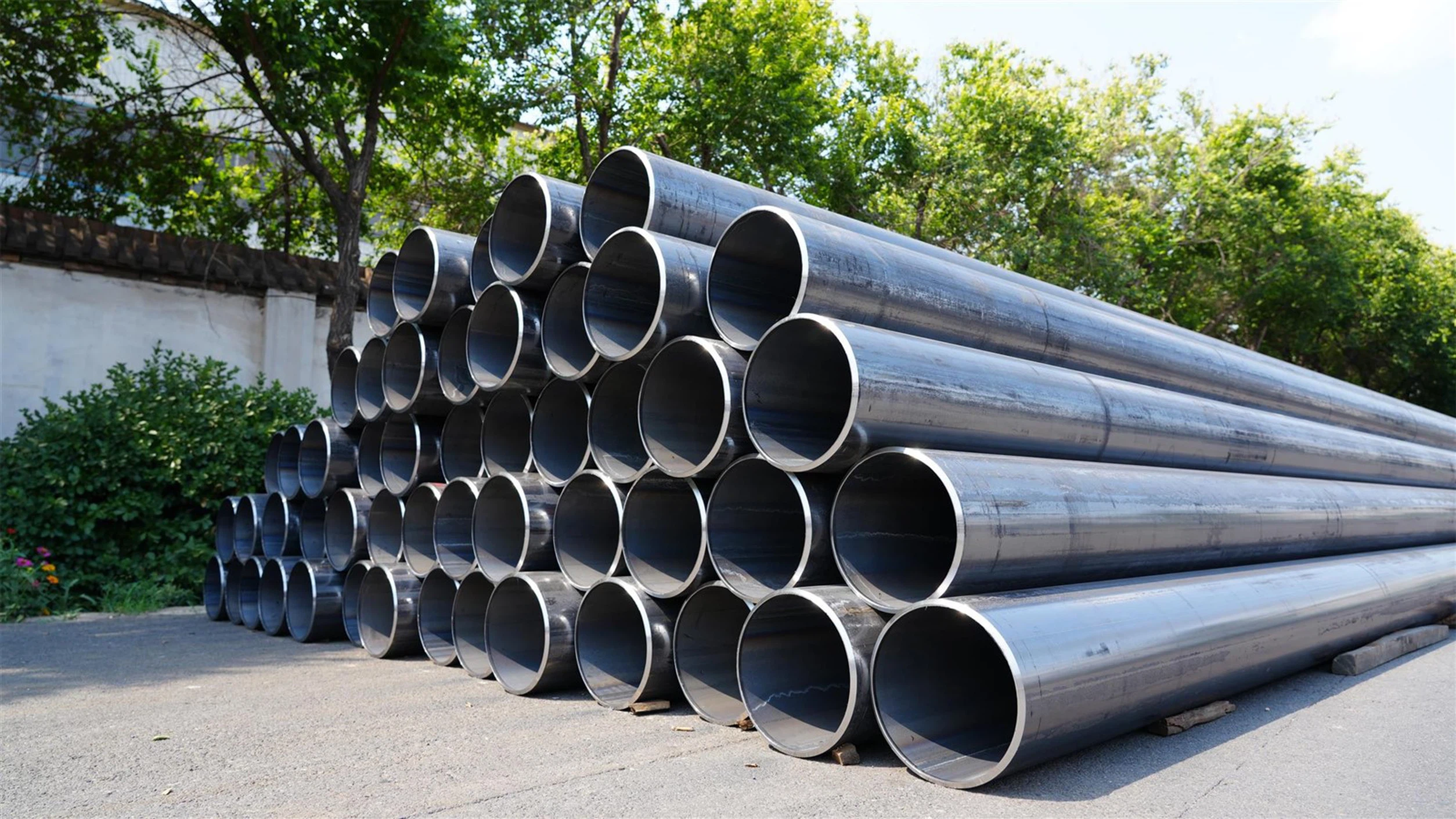
Seamless pipes are the backbone of industrial, commercial, and infrastructure systems, prized for their joint-free structure, exceptional strength, and ability to handle high temperatures and pressures. Used in applications ranging from power plant steam lines and refinery fluid transport to residential heating systems, these pipes operate in environments where temperature fluctuations are inevitable. Thermal expansion and contraction-the natural tendency of metals to expand when heated and contract when cooled-are inherent to seamless pipes, but they pose significant challenges that can compromise system reliability, safety, and longevity. While this phenomenon is a basic physical principle, its impact on seamless pipes is particularly problematic due to their design, applications, and the constraints of their installation. This article answers key questions about why thermal expansion and contraction are a problem for seamless pipes, exploring the risks, underlying causes of damage, and real-world implications of unmanaged thermal movement.
What Makes Thermal Expansion & Contraction Harmful to Seamless Pipes?
Thermal expansion and contraction become a problem for seamless pipes primarily because of constraint-the inability of the pipe to move freely to accommodate dimensional changes. Seamless pipes are typically installed with fixed supports, rigid fittings, or connections to stationary equipment (e.g., boilers, pumps, tanks), which limit their movement. When the pipe expands due to heat, it pushes against these constraints; when it contracts as it cools, it pulls against them. This creates thermal stress-compressive stress during expansion and tensile stress during contraction-that acts on the pipe's material, fittings, and surrounding structure.
Unlike welded pipes, which may have slight flexibility at weld joints (albeit with their own vulnerabilities), seamless pipes have a uniform, continuous structure. While this uniformity enhances their pressure resistance, it also means stress is distributed evenly across the entire pipe, rather than being concentrated at a single point. Over time, repeated cycles of stress from expansion and contraction weaken the pipe's material, leading to fatigue, cracks, and eventually failure. The seamless design also means there are no weak points to "release" stress, making unmanaged thermal movement even more damaging.
How Does Thermal Stress Damage Seamless Pipes?
Thermal stress caused by unaccommodated expansion and contraction inflicts damage on seamless pipes in several ways, ranging from minor wear to catastrophic failure. The most common form of damage is material fatigue, which occurs when the pipe is subjected to repeated cycles of stress. Just as bending a paperclip back and forth repeatedly causes it to break, repeated expansion and contraction cycles weaken the atomic structure of the pipe's metal, making it more brittle and prone to cracking.
Compressive stress from expansion can cause the pipe to buckle or deform, especially in long, straight pipe runs. This deformation not only compromises the pipe's structural integrity but also disrupts fluid flow, leading to inefficiencies and increased pressure within the system. Tensile stress from contraction, on the other hand, can pull the pipe apart at joints or fittings, causing leaks. In extreme cases, this stress can crack the pipe's wall entirely, leading to catastrophic fluid leaks that pose safety hazards and environmental risks.
Seamless pipes used in high-temperature applications (e.g., steam lines) are particularly vulnerable. The higher the temperature change, the greater the expansion and the more intense the thermal stress. Over time, this stress can cause creep-slow, permanent deformation of the pipe-further reducing its strength and lifespan.
Are Seamless Pipes More Vulnerable Than Welded Pipes to Thermal Damage?
While thermal expansion and contraction affect all metal pipes, seamless pipes face unique vulnerabilities compared to welded pipes-though both are at risk. The key difference lies in how stress is distributed. Seamless pipes have a uniform, continuous structure with no weld joints, which means thermal stress is spread evenly across the entire pipe length. This uniform stress distribution can lead to widespread fatigue over time, as there are no weak points to absorb or redirect stress.
Welded pipes, by contrast, have weld joints that create microstructural differences between the joint and the base metal. These joints are often weaker than the surrounding pipe and can act as "stress relievers"-absorbing some of the thermal stress and failing before the rest of the pipe. While this means welded pipes are more prone to localized damage at joints, it also prevents widespread fatigue of the entire pipe. Seamless pipes, with their consistent structure, lack this "fail-safe" mechanism, making them more susceptible to catastrophic, full-length failure if thermal stress is not managed.
Additionally, seamless pipes are often used in high-temperature, high-pressure applications where thermal fluctuations are more extreme, amplifying the impact of expansion and contraction. Their joint-free design, while an advantage for pressure resistance, offers no flexibility to accommodate thermal movement, further increasing their vulnerability.
What Role Do Installation Constraints Play in Exacerbating the Problem?
Installation constraints are a major contributor to why thermal expansion and contraction are a problem for seamless pipes. In most installations, seamless pipes are secured with fixed supports to prevent misalignment and ensure stability. While these supports are necessary for safe operation, they also restrict the pipe's ability to move freely as it expands or contracts.
For example, a seamless carbon steel pipe installed in a straight run with fixed supports at both ends will have no room to expand when heated. This constraint traps the pipe's thermal energy, converting it into compressive stress that pushes against the supports. Over time, this stress can damage the supports, loosen fittings, or crack the pipe. Similarly, if a pipe is connected to a stationary piece of equipment (e.g., a boiler), the equipment acts as a fixed constraint, preventing the pipe from moving and creating stress at the connection point.
Poor installation practices can worsen the problem. For instance, installing seamless pipes too tightly (without accounting for thermal movement) or using rigid fittings that offer no flexibility can amplify thermal stress. Even small constraints can have significant impacts over time, especially in systems with frequent temperature fluctuations.
What Are the Real-World Consequences of Unmanaged Thermal Movement?
The consequences of unmanaged thermal expansion and contraction in seamless pipes are far-reaching, affecting safety, cost, and operational efficiency. The most immediate consequence is premature pipe failure, which can cause leaks, bursts, and system downtime. For industrial facilities like power plants or refineries, downtime can cost thousands of dollars per hour, not to mention the cost of repairing or replacing damaged pipes and fittings.
Safety risks are another critical concern. Leaks from seamless pipes carrying high-temperature fluids (e.g., steam) or hazardous chemicals can cause burns, environmental contamination, or even explosions. In residential or commercial settings, leaks from heating or water supply pipes can cause water damage, mold growth, and structural damage to buildings.
Long-term consequences include increased maintenance costs and reduced pipe lifespan. Pipes damaged by thermal stress require frequent inspections, repairs, and eventual replacement-costs that can be avoided with proper thermal management. Additionally, repeated thermal cycling can reduce the lifespan of seamless pipes by 30-50%, forcing premature replacement and increasing overall project costs.
Why Do High-Temperature Applications Worsen the Problem?
High-temperature applications-such as steam lines, boiler systems, and refinery processes-exacerbate the problem of thermal expansion and contraction in seamless pipes for two key reasons: larger temperature changes and increased material vulnerability.
First, high-temperature applications involve greater temperature changes (ΔT) between the pipe's ambient installation temperature and its operating temperature. The extent of thermal expansion is directly proportional to the temperature change, so larger ΔT values result in more significant dimensional changes. For example, a seamless carbon steel pipe operating at 500°C (a ΔT of 480°C if installed at 20°C) will expand nearly twice as much as the same pipe operating at 260°C (a ΔT of 240°C).
Second, high temperatures reduce the strength and ductility of seamless pipe materials. Carbon steel, alloy steel, and stainless steel all lose tensile strength at high temperatures, making them more susceptible to deformation and stress. At temperatures above 350°C, carbon steel begins to creep, a slow, permanent deformation that weakens the pipe over time. This combination of larger expansion and reduced material strength makes high-temperature applications particularly challenging for seamless pipes.
Conclusion
Thermal expansion and contraction are a problem for seamless pipes because their joint-free, uniform structure and typical installation constraints prevent free movement, leading to harmful thermal stress. This stress causes material fatigue, deformation, cracks, and premature failure, with real-world consequences ranging from costly downtime and maintenance to safety hazards and environmental damage. Seamless pipes are particularly vulnerable due to their uniform stress distribution and common use in high-temperature, high-pressure applications where thermal fluctuations are extreme. Installation constraints, such as fixed supports and rigid connections, further amplify the problem by trapping thermal energy and converting it into stress. Understanding why thermal expansion and contraction are problematic is the first step toward implementing effective mitigation strategies-such as expansion joints, pipe loops, and flexible supports-that protect seamless pipe systems, ensure safe operation, and extend their lifespan. By addressing this issue proactively, engineers and maintenance teams can avoid the costly and dangerous consequences of unmanaged thermal movement in seamless pipes.


