


What Are the Core Anti-Corrosion Mechanisms of 3PE and FBE Coatings?
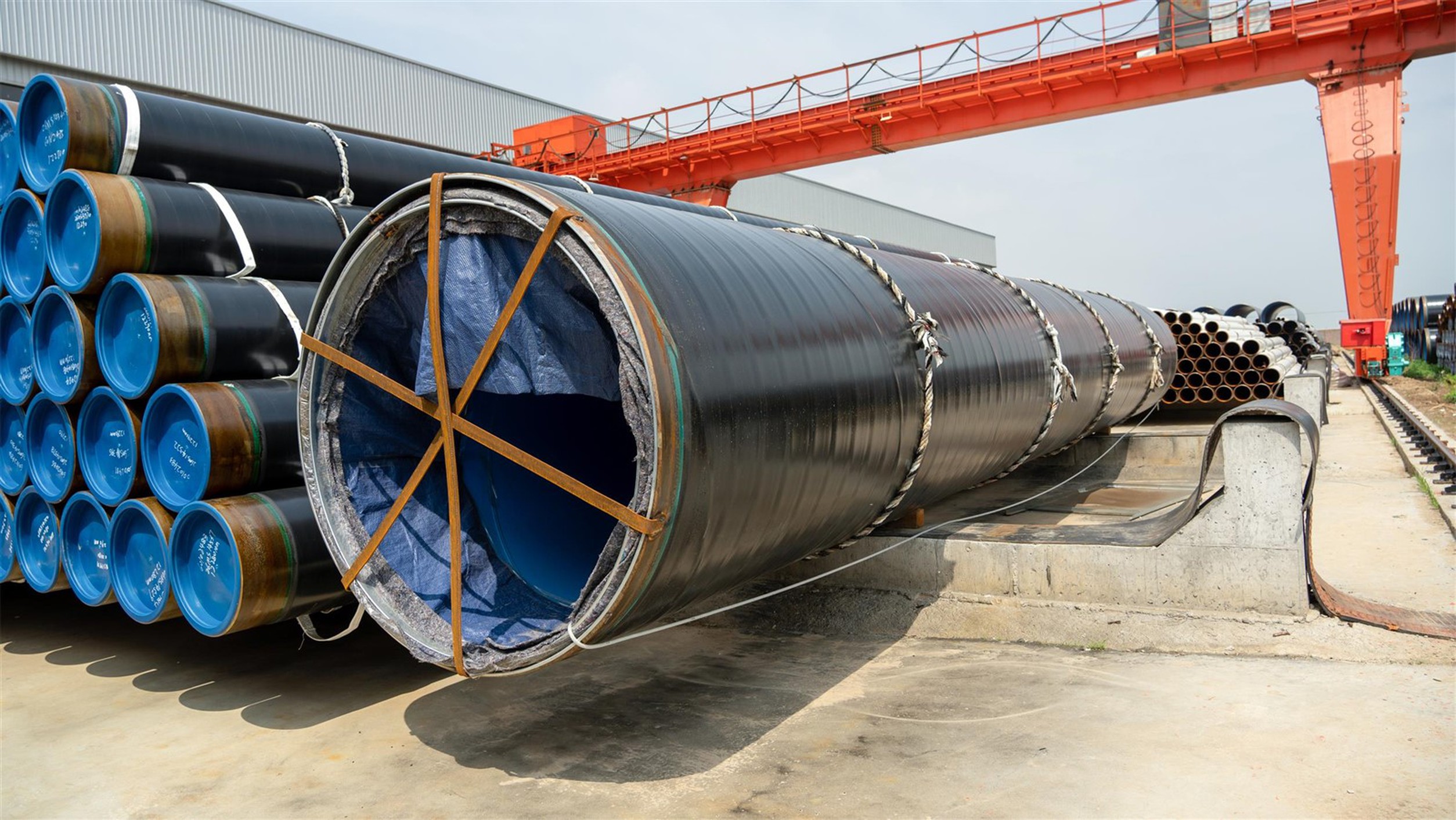
Steel pipe corrosion is an inevitable chemical and electrochemical reaction that occurs when metal substrates contact oxygen, moisture, salt ions, and acidic substances in the environment. It is the primary cause of pipeline leakage, structural failure, and shortened service life in oil, gas, and municipal engineering. To suppress corrosion effectively, 3PE and FBE coatings have become the two most authoritative external anti-corrosion solutions for steel pipelines worldwide. Although both coatings can isolate steel pipes from corrosive media, their core anti-corrosion mechanisms are fundamentally different due to distinct structural compositions and material properties. 3PE relies on multi-layer composite barrier protection, while FBE depends on high-density chemical anti-corrosion and interface bonding stability. This article explores the working principles, protection logic and mechanical anti-corrosion differences of the two coatings through question-based subheadings.
What Is the Fundamental Principle of Steel Pipe Corrosion?
To understand coating anti-corrosion mechanisms, it is essential to clarify the basic principle of steel corrosion. Carbon steel pipelines are prone to electrochemical corrosion in humid and open environments. When water and oxygen attach to the steel surface, a micro-galvanic cell is formed, causing the iron matrix to lose electrons and oxidize into rust. The generated iron oxide is loose and porous, unable to protect the internal steel, and will continuously absorb moisture to accelerate further corrosion. In soil and marine environments, salt ions and microbial metabolites will further catalyze electrochemical reactions, aggravating pipe wall thinning and local pitting corrosion. All anti-corrosion coatings aim to block this electrochemical cycle, either by physically isolating corrosive media or by stabilizing the steel interface chemically.
How Does the 3PE Coating Achieve Anti-Corrosion Protection?
The 3PE coating adopts a multi-layer collaborative composite anti-corrosion mechanism, combining chemical interface protection, sealing transition isolation, and high-strength physical barrier defense. Each functional layer undertakes independent anti-corrosion tasks and complements each other to form a three-dimensional protection system. The innermost epoxy primer layer realizes primary anti-corrosion through chemical bonding. After high-temperature fusion, epoxy resin molecules form a tight cross-linked structure with the polished steel surface, completely covering the metal micro-pores. This chemical bonding effectively eliminates the interface gap between the coating and the steel matrix, preventing oxygen and water from penetrating along the boundary to induce electrochemical corrosion.
The middle modified adhesive layer acts as a sealing and transitional anti-corrosion structure. It fills the tiny gaps between the epoxy primer and the outer polyethylene layer, avoiding interlayer water accumulation and delamination failure. This layer solves the problem of poor compatibility between different polymer materials, ensuring the overall tightness of the coating system. The outermost high-density polyethylene layer is the core physical anti-corrosion barrier. With ultra-low water permeability and air tightness, it can completely block external moisture, soil corrosives, and microbial erosion. Its excellent wear resistance and impact resistance prevent coating damage caused by external mechanical friction, avoiding local corrosion failure caused by coating breakage. In short, 3PE's anti-corrosion logic is to eliminate internal interface corrosion and block external corrosive invasion comprehensively.
How Does the FBE Coating Realize Long-Term Anti-Corrosion Performance?
Different from 3PE's multi-layer barrier mechanism, FBE coating relies on integrated chemical stabilization and high-density molecular isolation to achieve anti-corrosion effects. As a single-layer thermosetting epoxy coating, it forms a seamless and integral protective film after high-temperature curing. Its core anti-corrosion advantage comes from the high cross-linking density of epoxy resin molecules. The cured FBE coating has almost no internal pores or micro gaps, which can physically block the penetration of water molecules, chloride ions and acidic media at the molecular level, cutting off the material basis for electrochemical corrosion.
In addition, FBE has excellent chemical inertness. The cured epoxy material does not react with most acids, alkalis, salts and organic chemical media, and will not be decomposed or aged by corrosive substances. Its most prominent mechanism is stable interface protection. The integrated coating and steel matrix form an integral structure without layered interfaces, thoroughly avoiding the common failure problems of interlayer water seepage and peeling. Even if the coating surface has minor scratches, the internal overall structure will not be damaged, and corrosive media cannot diffuse along the interlayer, which effectively limits local corrosion expansion and maintains long-term anti-corrosion stability.
What Are the Key Differences Between 3PE and FBE Anti-Corrosion Mechanisms?
The first core difference lies in the protection mode. 3PE adopts "physical barrier dominated, chemical protection auxiliary" composite protection. It relies on the thick outer polyethylene layer to resist external harsh erosion, and the inner epoxy layer assists in interface anti-corrosion, which is more suitable for resisting external mechanical damage and large-scale soil corrosion. FBE adopts "chemical stabilization dominated, molecular isolation auxiliary" integrated protection, focusing on eliminating internal electrochemical corrosion and medium penetration, with more refined and stable anti-corrosion performance.
The second difference is corrosion resistance to complex media. 3PE excels in resisting physical erosion and humid soil corrosion, but its interlayer structure has hidden dangers of gap corrosion under long-term high-salt immersion. FBE's pore-free molecular structure can effectively resist salt ion penetration and industrial chemical medium erosion, showing better performance in high-temperature and chemical corrosive environments. Moreover, FBE has no interlayer failure risk, while 3PE's anti-corrosion performance depends on the bonding quality of each layer, and improper construction will lead to overall anti-corrosion failure.
How Do Mechanism Differences Determine Their Engineering Anti-Corrosion Advantages?
The mechanical differences directly define their respective applicable working conditions. Relying on its multi-layer barrier mechanism, 3PE can maintain complete anti-corrosion performance in stony soil, complex geology and long-term buried environments, effectively resisting external friction and impact damage. It is the optimal choice for long-distance buried oil and gas pipelines. Benefiting from its integrated chemical anti-corrosion mechanism, FBE has outstanding high-temperature resistance, bending followability and chemical corrosion resistance, and is more suitable for exposed pipelines, high-temperature industrial pipelines and chemical medium transmission projects.
In conclusion, 3PE's composite anti-corrosion mechanism focuses on comprehensive physical defense and long-term buried protection, while FBE's integrated chemical mechanism focuses on precise interface protection and complex medium corrosion resistance. Understanding their core mechanism differences is the key to scientific coating selection, which can effectively avoid pipeline corrosion failure and maximize the long-term operational safety of engineering pipelines.


