


How Do Their Physical and Mechanical Performance Differ?
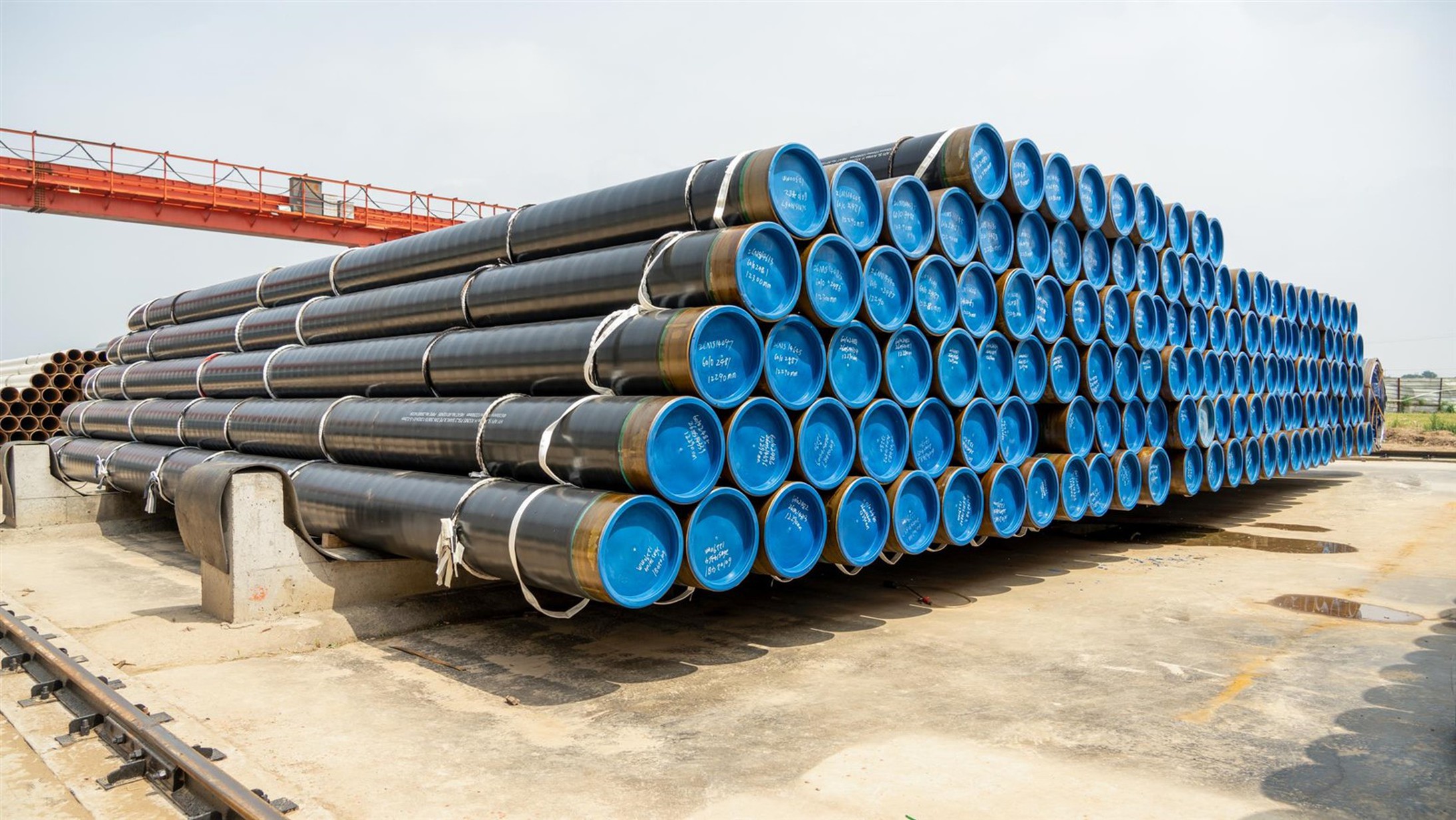
3PE and FBE are two dominant anti-corrosion coatings widely used for steel pipe protection in global pipeline engineering. While both coatings can effectively isolate steel substrates from corrosive media, their distinct material compositions, structural designs and curing mechanisms lead to huge differences in physical and mechanical properties. Physical and mechanical performance determines the coating's resistance to external damage during transportation, construction and long-term service, and directly affects pipeline safety and service life. This article compares the core performance gaps between 3PE and FBE coatings with question-based subheadings, providing reliable references for engineering selection and construction management.
What Are the Basic Physical Property Differences Between 3PE and FBE Coatings?
The most intuitive physical differences between 3PE and FBE are reflected in coating thickness, density, temperature resistance and structural flexibility. 3PE is a thick composite coating with a total thickness ranging from 2.0 mm to 3.0 mm. Its outer HDPE layer features low density, excellent toughness and strong waterproof performance, with ultra-low water absorption and air permeability. This physical characteristic enables 3PE to form a thick and stable isolation layer, effectively blocking long-term penetration of soil moisture and humid air. In terms of temperature resistance, 3PE has a relatively limited working temperature range, stably serving between -20℃ and 80℃. Excessively high temperature will cause the polyethylene layer to soften and deform, while ultra-low temperature may lead to brittle cracking.
In contrast, FBE is a thin integrated epoxy coating with a standard thickness of only 0.3 mm to 0.6 mm. It has higher density and structural compactness than 3PE, with no internal gaps or pores. Its most prominent physical advantage is excellent high-temperature resistance, with a long-term stable working temperature up to 110℃, making it adaptable for high-temperature medium transportation in petrochemical industries. In terms of low-temperature performance, FBE maintains stable structural integrity in cold environments, without obvious brittle failure. However, due to its thin thickness, FBE lacks sufficient physical barrier thickness, resulting in weaker natural isolation and protection compared with thick-layer 3PE coating.
How Do Their Mechanical Strength and Impact Resistance Perform?
Mechanical strength and impact resistance are key indicators reflecting the coating's ability to resist external mechanical damage during construction and operation. 3PE coating shows overwhelming advantages in impact resistance and compression resistance. The outer high-density polyethylene layer has excellent ductility and toughness, which can effectively buffer external impact, extrusion and collision. During pipeline hoisting, trenching, backfilling and long-term buried service, 3PE can resist friction and extrusion from gravel, soil and external pressure, avoiding coating cracking and peeling. Even under continuous minor mechanical vibration and impact, the multi-layer composite structure will not be easily damaged, maintaining complete protective performance.
FBE coating has obvious limitations in mechanical impact resistance. Cured epoxy resin material features high hardness but poor toughness and obvious brittleness. Under concentrated impact, sharp extrusion or heavy pressure, the FBE coating is prone to local cracking, peeling and crater damage. During pipeline construction, improper operation such as violent handling and unstandardized backfilling will easily cause coating failure. Although FBE has high surface hardness and strong scratch resistance against smooth friction, its poor impact toughness makes it unable to adapt to complex mechanical environments with frequent external collision and extrusion.
What Is the Difference in Wear Resistance and Surface Hardness?
Wear resistance and surface hardness determine the coating's durability against long-term friction and surface abrasion. 3PE coating has superior wear resistance thanks to the high-toughness polyethylene outer layer. It can withstand long-term soil friction, water flow scouring and external mechanical abrasion, with slow wear rate and stable long-term performance. Although the surface hardness of 3PE is lower than FBE, its good ductility avoids abrasive peeling caused by rigid friction, ensuring long-term intact protection in buried and flowing water environments.
FBE coating possesses higher surface hardness and rigid wear resistance. The high-density cured epoxy structure forms a smooth and hard surface, which is not easy to produce scratches under uniform friction and contact. It performs well in anti-scratch and anti-abrasion scenarios with stable stress. Nevertheless, its brittle defect leads to poor anti-fatigue performance under alternating friction and impact. Long-term repeated friction will cause local peeling and micro-cracks on the FBE surface, gradually reducing its anti-corrosion integrity. Therefore, FBE is suitable for stable working conditions with less friction, while 3PE adapts to complex and variable abrasive environments.
How Do Bending Flexibility and Structural Followability Differ?
Pipeline engineering often involves bending and deformation during laying, which requires coatings to have good followability to avoid detachment. FBE coating has outstanding bending flexibility and structural integrity. As a single-layer integrated coating, it forms an integral bond with the steel matrix. When the steel pipe is bent within the standard range, FBE can deform synchronously with the pipe body without cracking, peeling or hollowing. Its uniform internal stress and excellent adhesion enable it to adapt to pipeline bending, winding and slight geological deformation, which is very suitable for complex terrain laying and exposed pipeline construction.
3PE coating has relatively poor bending followability due to its multi-layer composite structure. The three-layer structure has different material properties and stress characteristics. When the pipe is bent at a large angle, inconsistent deformation of each layer may cause internal stress concentration. In severe cases, micro-delamination may occur between layers, damaging the overall sealing performance. Although qualified 3PE products can meet conventional bending standards, they are more sensitive to large deformation and repeated bending compared with FBE, requiring stricter construction bending control.
What Are the Engineering Implications of These Performance Differences?
The differentiation of physical and mechanical properties directly guides practical engineering application. With thick thickness, high toughness and strong impact resistance, 3PE is the optimal choice for long-distance buried pipelines, stony soil areas and projects with severe mechanical friction. It can resist complex external mechanical damage and ensure long-term stable buried protection. In contrast, FBE, with high-temperature resistance, high hardness and excellent bending performance, is more suitable for high-temperature industrial pipelines, exposed pipelines and projects requiring flexible laying. Its thin and smooth surface also facilitates regular inspection and defect detection of pipeline surfaces.
In summary, 3PE focuses on high toughness and mechanical protection for harsh buried environments, while FBE excels in high-temperature stability and structural followability for precise industrial scenarios. Reasonable selection based on their mechanical performance characteristics can effectively reduce construction damage, extend pipeline service life and improve the overall safety and economy of pipeline engineering.


