


How Do Their Application Scenarios Differ?
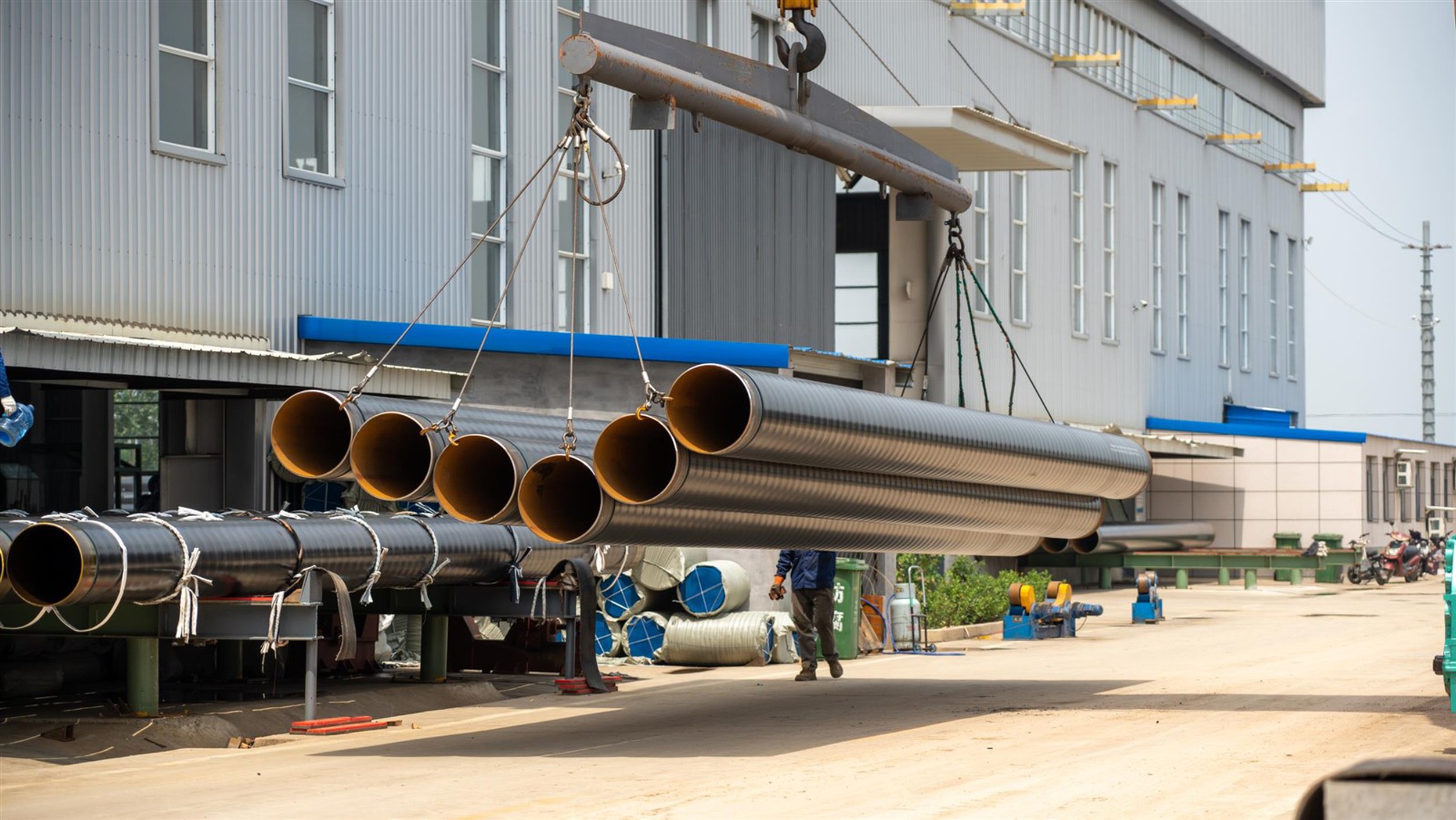
Galvanized steel pipes and anti-corrosion steel pipes are two essential pipeline materials in modern construction and industrial fields. Both possess basic anti-rust capabilities to protect steel substrates from corrosion, yet their distinct protective structures, service durability, and environmental adaptability create completely different applicable scenarios. Galvanized pipes feature simple production and low costs, while anti-corrosion pipes boast stable long-term protection and strong resistance to harsh environments. The clear differentiation in application fields is the core standard for engineering selection. This article analyzes the scenario differences between the two pipes through question-based subheadings, clarifying their targeted usage in various projects.
What Core Features Determine Their Application Boundaries?
The application scope of the two steel pipes is fundamentally defined by their anti-corrosion performance and durability limitations. Galvanized steel pipes rely on a single zinc sacrificial coating, which can only provide short-term anti-rust effects in mild environments. Their coating is thin, easy to wear and age, and fails rapidly under acid, alkali, salt and long-term buried conditions. In contrast, professional anti-corrosion steel pipes adopt multi-layer composite polymer coatings with high density, chemical inertness and excellent wear resistance. They can withstand complex corrosive environments and long-term operational loads. These inherent performance differences form the essential boundary that separates their engineering application scenarios, guiding standardized material selection in actual construction.
What Scenarios Are Galvanized Steel Pipes Mainly Suitable For?
Galvanized steel pipes are mainly applied in low-corrosion, short-cycle and indoor civil engineering scenarios, which match their cost advantages and limited durability. The most common usage is indoor water supply and drainage systems in residential and commercial buildings. In dry indoor environments with stable temperature and clean water media, galvanized pipes can maintain intact performance for 8 to 12 years, fully meeting the daily water transmission needs of civil buildings. Besides, they are widely used in building fire protection pipeline systems. Conventional indoor fire pipelines are idle for a long time with low corrosion risks, making galvanized pipes a cost-effective choice for fire safety facilities.
In addition, galvanized steel pipes are ideal for temporary construction projects and simple structural support. Construction site temporary water pipelines, greenhouse support frames, and low-pressure ordinary gas transmission pipelines all adopt galvanized pipes in large quantities. These scenarios have low environmental requirements and short service cycles, and the low procurement and construction costs of galvanized pipes can maximize economic benefits. However, due to poor harsh environment adaptability, galvanized pipes are never used in buried long-distance pipelines and industrial corrosive medium transmission projects.
What Scenarios Require Professional Anti-Corrosion Steel Pipes?
Professional anti-corrosion steel pipes are tailored for harsh environments, long-cycle projects and high-standard industrial and municipal engineering. Long-distance buried oil and gas transmission pipelines are their core application scenarios. 3PE anti-corrosion steel pipes, as the mainstream type, have ultra-low permeability and strong soil corrosion resistance, ensuring stable operation for more than 30 years in underground buried environments, which is irreplaceable for cross-regional energy transmission projects. Urban underground municipal trunk pipelines also fully adopt anti-corrosion steel pipes, including buried water supply, drainage and heating pipelines, adapting to long-term underground humid and microbial corrosion environments.
Industrial corrosive medium transmission is another key application field. Epoxy coal tar pitch anti-corrosion steel pipes are widely used in sewage treatment plants, chemical factories and pharmaceutical factories to transport industrial wastewater, acid-base media and oily sewage. These chemical corrosive environments can quickly destroy galvanized layers, while composite anti-corrosion coatings can resist long-term chemical erosion. Moreover, anti-corrosion steel pipes are also applied in coastal engineering, wharf pipelines and high-temperature industrial transmission projects, coping with high-salinity sea breeze erosion and high-temperature medium corrosion.
Why Are the Two Pipes Inapplicable to Each Other's Scenarios?
Cross-usage of the two steel pipes will lead to either performance failure or economic waste. If galvanized steel pipes are used in buried or industrial corrosive scenarios, the zinc coating will be quickly consumed and fail within several years, causing pipeline rust, leakage and even structural collapse, bringing huge safety hazards and high later maintenance costs. In contrast, applying high-performance anti-corrosion steel pipes to ordinary indoor temporary projects will cause excessive engineering investment. The excellent long-term anti-corrosion performance cannot be exerted in mild environments, resulting in unnecessary waste of material resources and increased project construction costs.
How to Select Pipelines Based on Practical Application Demands?
Scientific pipeline selection should balance environmental conditions, service life requirements and project budgets. For indoor civil facilities, temporary projects and low-corrosion conventional scenarios with a service life of less than 10 years, galvanized steel pipes are the most reasonable choice with high cost performance. For buried municipal pipelines, long-distance energy transmission, industrial chemical medium transportation and harsh coastal and high-temperature environments that require more than 20 years of stable operation, anti-corrosion steel pipes must be prioritized. Reasonable matching of pipe types and application scenarios can effectively ensure pipeline operational safety and maximize the comprehensive economic benefits of engineering projects.


