


What Are the Basic Definitions and Structural Compositions of 3PE and FBE Coatings?
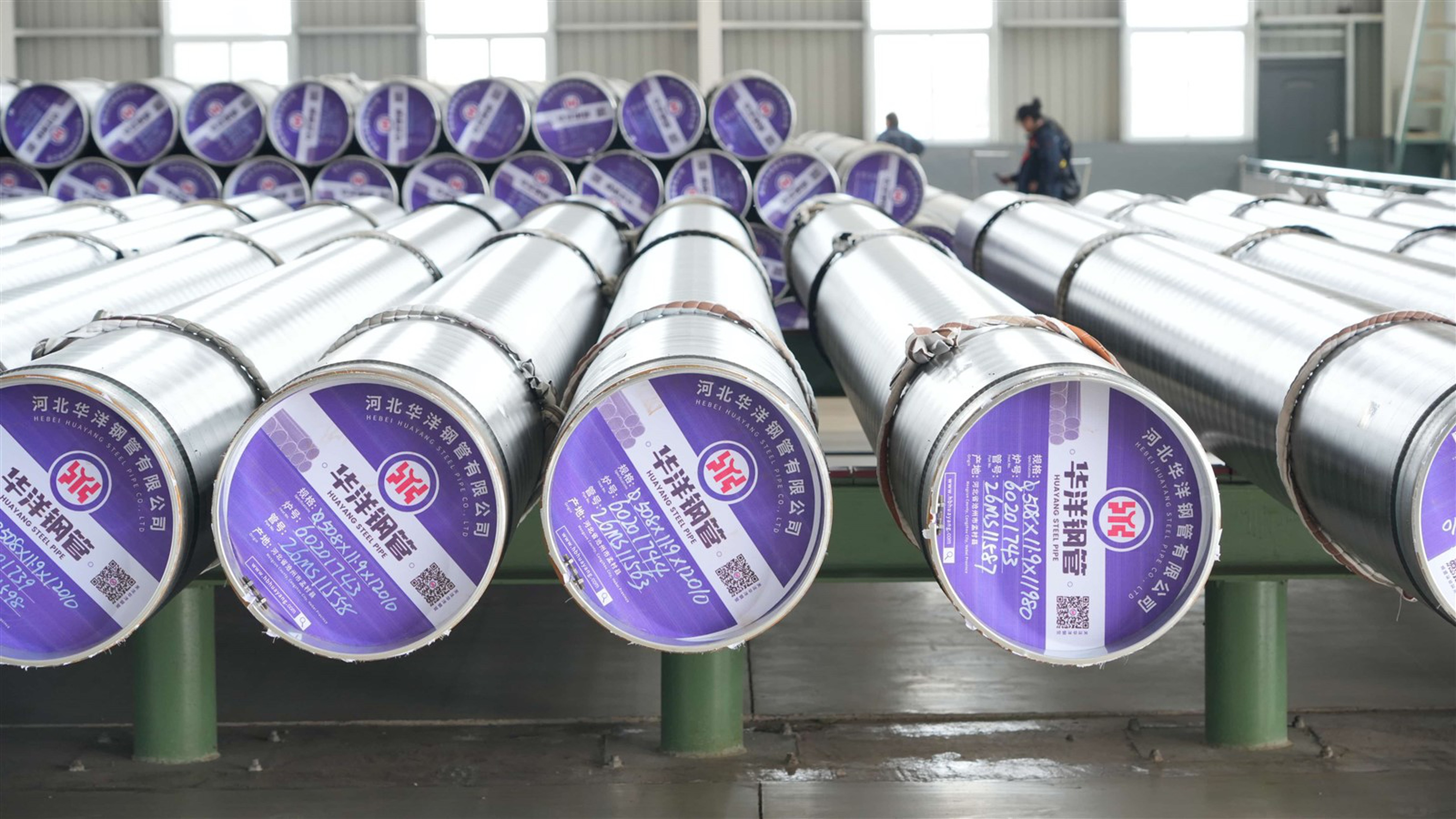
Steel pipeline corrosion is one of the most critical factors that shorten the service life of oil, gas, and municipal engineering facilities. To isolate steel substrates from corrosive media such as soil moisture, oxygen, acid and alkali substances, professional anti-corrosion coatings have become indispensable protective materials for pipeline engineering. Among various mainstream anti-corrosion technologies, 3PE (Three-Layer Polyethylene) and FBE (Fusion Bonded Epoxy) coatings are the two most widely adopted solutions in global industrial and municipal pipeline construction. Their fundamental differences in basic definitions and internal structural compositions are the root cause of their distinct performance characteristics and application boundaries. This article analyzes the core concepts, structural layers, material attributes and design principles of 3PE and FBE coatings through question-based subheadings, providing a clear theoretical basis for engineering identification and material selection.
What Is the Professional Definition of 3PE Anti-Corrosion Coating?
3PE anti-corrosion coating is a high-performance composite multi-layer polymer protection system specially developed for steel pipe external anti-corrosion, belonging to a thermoplastic composite anti-corrosion technology. It is optimized and upgraded on the basis of single-layer polyethylene coating, integrating the chemical anti-corrosion advantages of epoxy materials and the mechanical protection performance of polyethylene materials. As a standardized industrial anti-corrosion system compliant with international pipeline engineering specifications, 3PE is designed to solve the dual problems of chemical medium erosion and external mechanical damage of steel pipes in complex buried environments.
Different from single-structure coatings, 3PE is defined as an integrated three-layer functional composite system with complementary performance of each layer. Its core design concept is to build a multi-dimensional protective barrier of "chemical bonding anti-corrosion + transitional sealing isolation + physical mechanical protection" on the steel surface. This composite positioning makes 3PE coating have both stable chemical corrosion resistance and excellent mechanical damage resistance, which is suitable for long-term anti-corrosion protection of steel pipes in harsh and complex geological environments.
What Is the Complete Structural Composition of 3PE Coating?
The complete structure of 3PE coating consists of three tightly bonded functional layers from the inside to the outside, with clear division of labor and coordinated functions for each layer, forming an inseparable integrated protective structure. The innermost layer is the fusion-bonded epoxy primer layer, with a standard thickness of 80 to 120 microns. This layer is directly fused and bonded with the polished and derusted steel pipe matrix at high temperature. It features high chemical activity and adhesion, which can form a stable chemical bond with the steel surface, effectively preventing electrochemical corrosion between the substrate and external media, and solving the problem of interface rusting and peeling.
The middle layer is a modified copolymer adhesive transition layer, with a thickness ranging from 150 to 250 microns. This layer serves as a key bridge connecting the inner epoxy primer and the outer polyethylene layer. It perfectly solves the problem of poor material compatibility between epoxy resin and polyethylene, avoids interlayer gaps and delamination, and improves the overall sealing and integrity of the coating system. The outermost layer is a high-density polyethylene (HDPE) protective layer, with a thickness of 2 to 3 millimeters. As the main mechanical protective layer of 3PE coating, it has ultra-low water absorption, excellent wear resistance, impact resistance and weather resistance, which can completely isolate external soil, moisture, microorganisms and gravel friction, and undertake all external physical protection work.
What Is the Professional Definition of FBE Anti-Corrosion Coating?
FBE, short for Fusion Bonded Epoxy coating, is a single-layer thermosetting epoxy anti-corrosion coating formed by integral high-temperature fusion bonding. It is a high-purity chemical anti-corrosion material with a single structural attribute, widely used in industrial pipelines, high-temperature medium transmission and precision pipeline engineering. Different from the composite structure of 3PE, FBE is defined as an integrated seamless protective film formed by one-time electrostatic spraying and high-temperature curing of pure epoxy powder.
The core design positioning of FBE coating is to rely on the high chemical inertness and compact molecular structure of epoxy resin to achieve precise anti-corrosion protection. It abandons the multi-layer stacking structure and focuses on improving the interface bonding performance and chemical stability between the coating and the steel substrate. Its greatest characteristics are uniform coating, no internal layering, strong overall integrity, and excellent adaptability to pipeline bending and high-temperature working conditions, making it a professional anti-corrosion coating for fine and high-temperature pipeline scenarios.
What Is the Unique Structural Composition of FBE Coating?
FBE coating adopts a single-layer integrated structure with no layered partition inside, which is the biggest structural difference from 3PE composite coating. The standard thickness of FBE coating is only 300 to 600 microns, far thinner than the overall thickness of 3PE coating. The whole coating is composed of high-purity thermosetting epoxy resin powder. After electrostatic spraying on the preheated steel pipe surface at 200 to 230 degrees Celsius, the epoxy powder melts, flows freely, and solidifies integrally, forming a dense, smooth and seamless protective film.
Although FBE has a single-layer structure, its internal molecular cross-linking density is extremely high, with almost no pores or tiny gaps. This compact structural feature enables it to effectively block the penetration of water molecules, salt ions and acidic corrosive media. Different from 3PE's layered functional division, FBE's single structure integrates adhesion, anti-corrosion and isolation functions into one. It directly forms an integrated protective layer with the steel matrix, featuring strong interface bonding force, uniform stress distribution, and no risk of interlayer peeling or delamination, which greatly improves the stability of pipeline anti-corrosion in variable working conditions.
What Are the Essential Structural Differences Between 3PE and FBE Coatings?
The essential difference between the two coatings lies in composite layered structure versus single integrated structure, which determines their subsequent performance differentiation. In terms of structural design logic, 3PE adopts a "layered division of labor" mode, with independent layers responsible for chemical anti-corrosion, transitional bonding and physical protection respectively, realizing comprehensive protection through multi-functional superposition. FBE adopts an "integrated integration" mode, completing interface bonding and chemical anti-corrosion through a single material, with simple structure and high overall uniformity.
In terms of structural thickness and protection focus, 3PE is a thick-wall protective system focusing on dual defense of chemistry and physics, with prominent mechanical protection capability. FBE is a thin-wall precision protective system focusing on chemical anti-corrosion and interface stability, with outstanding structural integrity and followability. In terms of structural stability, 3PE faces the risk of interlayer delamination caused by improper construction, while FBE has no layered defects and more stable overall structure. These fundamental structural and definitional differences lay a solid foundation for their different durability, environmental adaptability and engineering application values.


