


What Materials Are Used in the 3PE Anti-Corrosion Coating?
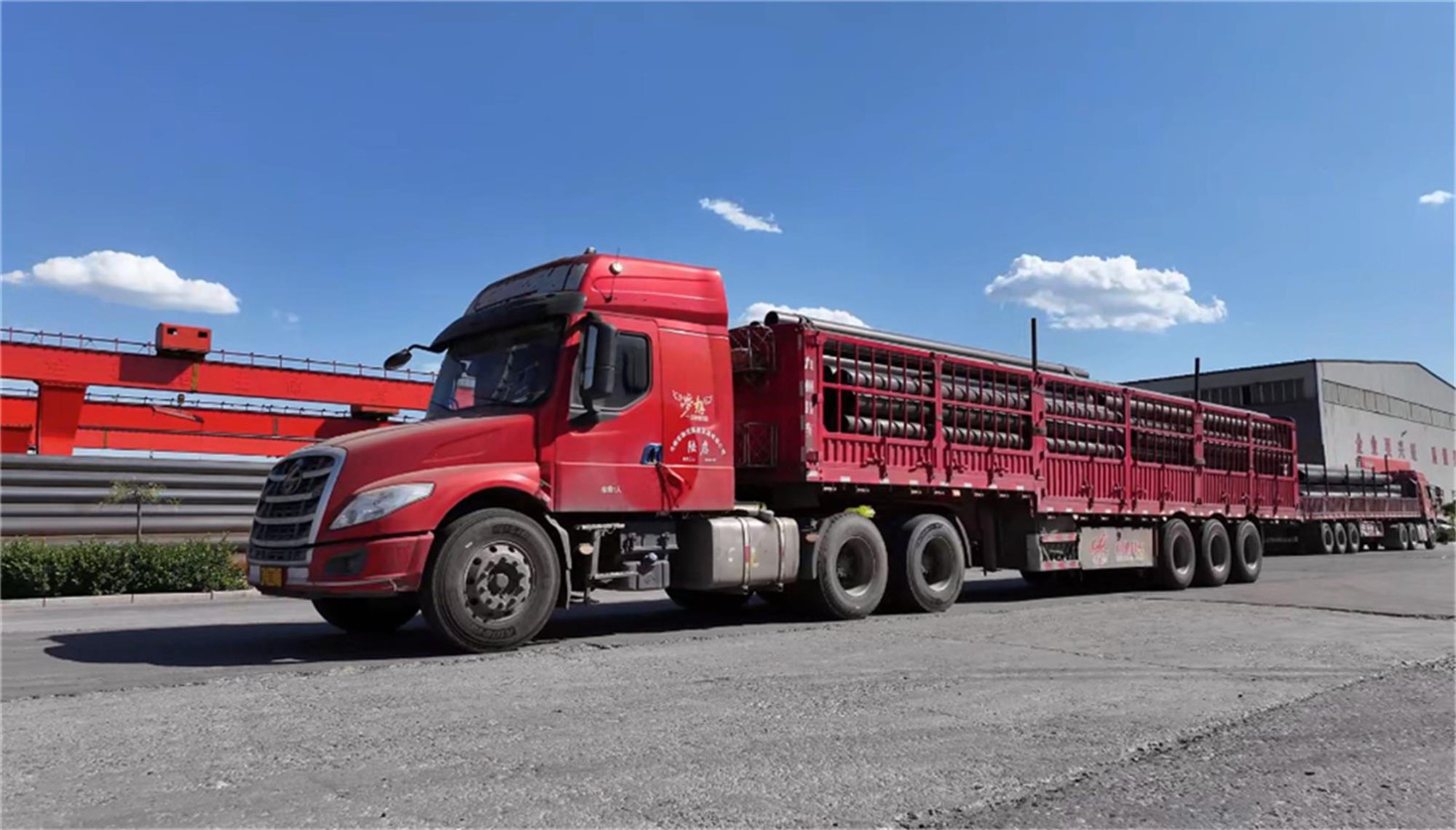
3PE anti-corrosion coating is widely recognized as one of the most effective and durable anti-corrosion solutions for industrial steel pipes, playing a vital role in protecting pipes from corrosion, extending service life, and ensuring the safe operation of fluid transport systems. The exceptional performance of 3PE coatings stems not only from their three-layer structure but also from the carefully selected materials used in each layer. Each layer of the 3PE coating is composed of specialized materials tailored to its specific function, working synergistically to form a robust, impenetrable barrier against corrosive environments. This article answers key questions about the materials used in 3PE anti-corrosion coatings, exploring the composition, properties, and functions of materials in each layer, as well as their selection criteria and industry standards.
What Are the Core Materials of the 3PE Anti-Corrosion Coating as a Whole?
The 3PE anti-corrosion coating is a composite system consisting of three sequentially applied layers, and the core materials of the entire coating are epoxy resin, modified polyethylene, and high-density polyethylene (HDPE). These materials are selected for their complementary properties: epoxy resin provides strong adhesion and anti-corrosion performance, modified polyethylene acts as a bonding medium, and HDPE offers robust physical protection and weather resistance. Together, they address the limitations of single-material coatings, such as epoxy's poor impact resistance and polyethylene's weak adhesion to steel.
The selection of these core materials follows strict industry standards, such as ISO 21809 and GB/T 23257-2017, which specify the quality requirements for each material to ensure the coating's performance. Additionally, additives are incorporated into each layer to enhance specific properties, such as anti-rust, leveling, and UV resistance, making the 3PE coating adaptable to various harsh industrial environments.
What Materials Compose the Inner Epoxy Primer Layer of 3PE Coatings?
The inner layer of the 3PE coating, known as the epoxy primer layer, is primarily composed of epoxy resin, which is the foundation of the anti-corrosion system. Epoxy resin is a thermosetting polymer with excellent chemical stability, strong adhesion to steel, and superior anti-corrosion properties, making it ideal for direct contact with the steel pipe substrate.
To enhance its performance, the epoxy primer is modified with curing agents, the most common of which are polyamide and amine-based curing agents. Polyamide curing agents improve the primer's flexibility and adhesion, while amine-based curing agents enhance its hardness and chemical resistance. The primer also contains key additives: anti-rust pigments (such as zinc phosphate and iron oxide) to reinforce corrosion resistance, leveling agents to ensure a smooth, uniform surface, and defoamers to eliminate bubbles during application.
The epoxy resin used in 3PE primers is typically bisphenol A-type epoxy resin, which offers a balance of adhesion, hardness, and chemical stability. For special applications, such as high-temperature environments, modified epoxy resins (e.g., novolac epoxy) may be used to improve heat resistance. The purity and molecular weight of the epoxy resin directly affect the primer's performance, with high-purity resins ensuring better adhesion and corrosion resistance.
What Materials Are Used in the Middle Adhesive Layer of 3PE Coatings?
The middle layer of the 3PE coating, the adhesive layer (or tie layer), is designed to bond the epoxy primer layer and the polyethylene top layer tightly, and its core material is modified polyethylene. The key challenge addressed by this layer is the incompatibility between polar epoxy resin (inner layer) and non-polar polyethylene (outer layer), which would otherwise lead to delamination.
The modified polyethylene used in the adhesive layer is typically grafted with maleic anhydride (MAH), a process that introduces polar groups into the non-polar polyethylene molecule. These polar groups form chemical bonds with the polar epoxy resin, while the non-polar segments of the polyethylene molecule form physical entanglement with the outer HDPE layer, creating a strong, seamless bond between the three layers.
In addition to maleic anhydride-grafted polyethylene, the adhesive layer may contain small amounts of antioxidants and processing aids. Antioxidants prevent the material from aging during the extrusion and application process, while processing aids improve the flowability of the adhesive, ensuring uniform application. The molecular weight and grafting rate of the modified polyethylene are critical: a grafting rate of 0.8-1.2% is typically required to achieve optimal bonding strength.
What Materials Make Up the Outer Polyethylene Top Layer of 3PE Coatings?
The outer layer of the 3PE coating, the polyethylene top layer, is the thickest and most visible layer, and its core material is high-density polyethylene (HDPE). HDPE is selected for its exceptional mechanical properties, chemical inertness, weather resistance, and impact resistance, making it an ideal physical barrier against external damage and corrosive environments.
The HDPE used in 3PE coatings has a density of 0.94-0.96 g/cm³, a melt flow rate (MFR) of 0.2-0.8 g/10min, and a high molecular weight, which ensures good toughness and wear resistance. For applications requiring enhanced flexibility (e.g., pipes in cold regions), medium-density polyethylene (MDPE) or linear low-density polyethylene (LLDPE) may be used instead of HDPE, as they offer better low-temperature impact resistance.
Additives are also incorporated into the polyethylene top layer to improve its performance: UV stabilizers to resist aging caused by sunlight, antioxidants to prevent thermal oxidation during processing, and anti-blocking agents to prevent the pipes from sticking together during storage and transportation. These additives extend the service life of the outer layer, ensuring long-term protection for the inner layers and the steel pipe.
What Additives Are Essential for 3PE Anti-Corrosion Coatings?
While the core materials of each layer are critical, additives play an essential role in optimizing the performance of 3PE anti-corrosion coatings, addressing specific challenges such as aging, uneven application, and reduced adhesion. Different layers use different additives tailored to their functions, but some key additives are essential across the entire coating system.
In the epoxy primer layer, anti-rust pigments (zinc phosphate, iron oxide) prevent rust formation on the steel surface, while leveling agents (silicone-based or acrylic-based) ensure the primer spreads evenly, avoiding uneven thickness or surface defects. Defoamers eliminate air bubbles that could create gaps in the primer, compromising anti-corrosion performance.
In the adhesive layer, antioxidants (e.g., hindered phenols) protect the modified polyethylene from thermal oxidation during extrusion, while processing aids (e.g., stearates) improve flowability and ensure uniform application. In the polyethylene top layer, UV stabilizers (e.g., benzophenones) absorb UV radiation, preventing the HDPE from becoming brittle and cracking over time, and anti-blocking agents (e.g., silica) prevent the pipes from adhering to each other.
What Criteria Are Used to Select Materials for 3PE Coatings?
The selection of materials for 3PE anti-corrosion coatings follows strict criteria to ensure the coating's performance, durability, and compatibility with the steel pipe substrate and operating environment. The key selection criteria include adhesion, anti-corrosion performance, mechanical strength, weather resistance, and compatibility between layers.
First, adhesion is critical: the epoxy primer must bond firmly to the steel substrate, and the adhesive layer must bond tightly to both the primer and the polyethylene top layer. Second, anti-corrosion performance ensures the coating can resist corrosive substances such as water, oxygen, salts, and chemicals. Third, mechanical strength (impact resistance, wear resistance) protects the coating from damage during transportation and installation. Fourth, weather resistance ensures the coating maintains its performance in extreme temperatures, UV radiation, and harsh environmental conditions.
Additionally, material compatibility is essential: the materials of each layer must work synergistically without chemical reactions that could degrade the coating. Cost-effectiveness is also a consideration, with materials selected to balance performance and cost for specific applications.
Conclusion
The materials used in 3PE anti-corrosion coatings are carefully selected to ensure each layer performs its specific function, working synergistically to form a robust anti-corrosion barrier. The inner epoxy primer layer is composed of epoxy resin modified with curing agents and additives, providing strong adhesion and corrosion resistance. The middle adhesive layer uses maleic anhydride-grafted polyethylene to bond the inner and outer layers seamlessly. The outer top layer is made of HDPE (or modified polyethylene) with additives to enhance mechanical strength and weather resistance. Essential additives optimize the performance of each layer, addressing aging, adhesion, and application challenges. Material selection follows strict criteria based on adhesion, anti-corrosion performance, compatibility, and cost-effectiveness, adhering to industry standards. Understanding the materials used in 3PE anti-corrosion coatings is essential for ensuring the coating's quality, durability, and effectiveness in protecting industrial steel pipes from corrosive environments.


