


Details of 3PE anti-corrosion steel pipes commonly used in industry
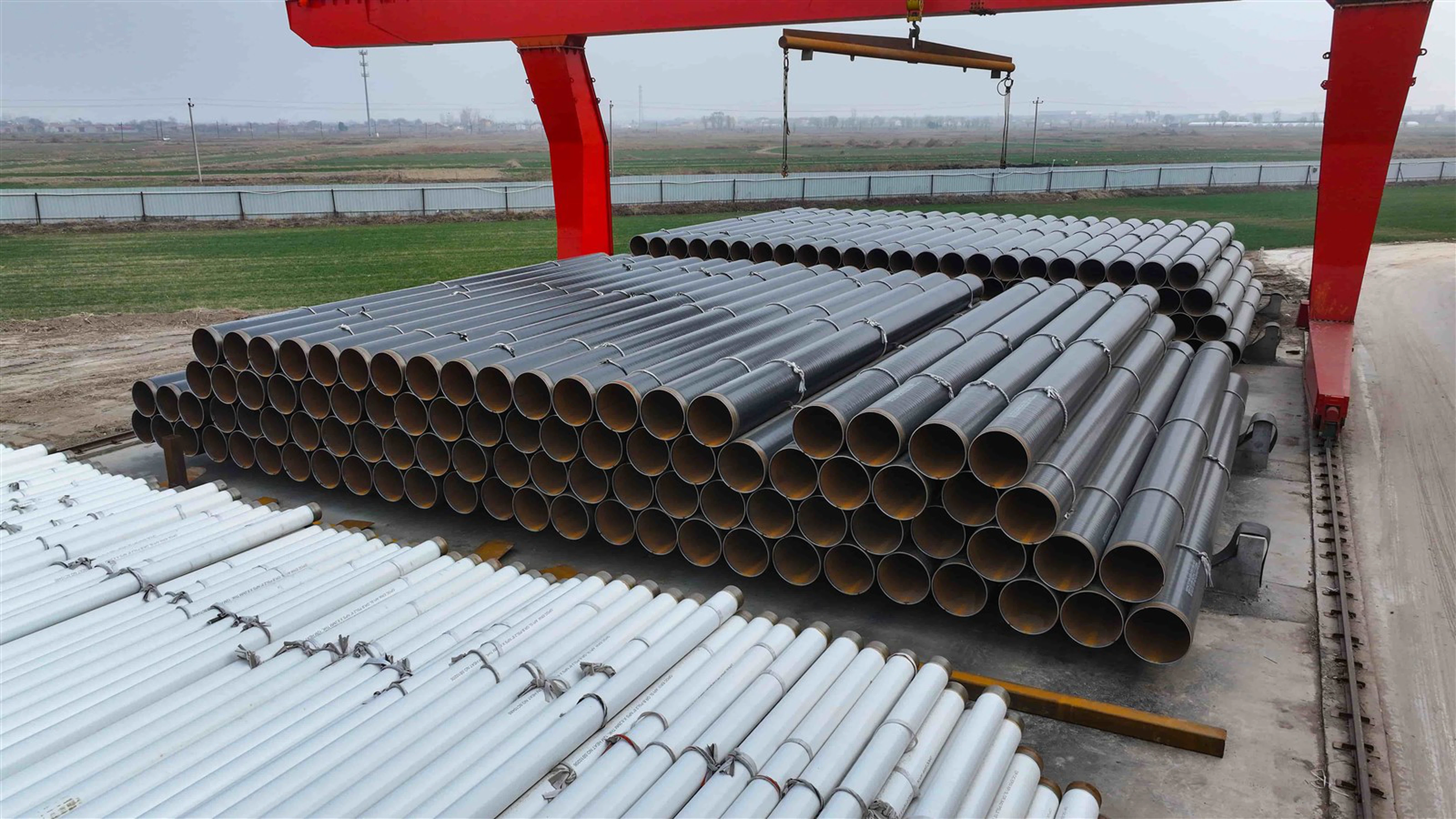
3PE anti-corrosion steel pipes are widely recognized as one of the most reliable and durable anti-corrosion solutions in industrial applications, playing a crucial role in protecting steel pipes from corrosion, extending their service life, and ensuring the safe and efficient operation of fluid transport systems. The term "3PE" refers to a three-layer polyethylene anti-corrosion coating, which combines the advantages of different materials to form a robust, multi-functional barrier against corrosive environments. Used extensively in oil and gas pipelines, water supply and drainage systems, chemical processing plants, and other industrial fields, 3PE anti-corrosion steel pipes have become the preferred choice for projects requiring long-term corrosion protection. This article answers key questions about the details of 3PE anti-corrosion steel pipes commonly used in industry, covering their structure, material composition, manufacturing process, performance characteristics, application scenarios, and maintenance requirements.
What Is the Basic Structure of 3PE Anti-Corrosion Steel Pipes?
The core feature of 3PE anti-corrosion steel pipes is their three-layer composite coating, which is applied sequentially to the outer surface of the steel pipe to form a tight, integrated anti-corrosion barrier. Each layer has a specific function, and their combination ensures comprehensive protection against corrosion, mechanical damage, and environmental factors. The three layers, from the inner layer (in contact with the steel pipe) to the outer layer, are the epoxy primer layer, the adhesive layer, and the polyethylene top layer.
The first layer, the epoxy primer layer, is a thin but high-adhesion coating applied directly to the cleaned steel pipe surface. Typically 100-150 microns thick, it forms a strong chemical bond with the steel, preventing corrosive substances (such as water, oxygen, and salts) from penetrating between the coating and the pipe. The epoxy primer also has excellent anti-corrosion properties and good compatibility with the subsequent adhesive layer.
The second layer, the adhesive layer (also known as the tie layer), is a modified polyethylene material with a thickness of 150-200 microns. Its main function is to bond the epoxy primer layer and the polyethylene top layer tightly, ensuring that the three layers form a unified whole without delamination. The adhesive layer has good compatibility with both epoxy and polyethylene, eliminating the interface gap that could lead to coating failure.
The third layer, the polyethylene top layer, is the outermost protective layer, with a thickness ranging from 2.0-3.0 millimeters (depending on the application requirements). It is made of high-density polyethylene (HDPE), which has excellent mechanical properties, chemical resistance, and weather resistance. The polyethylene top layer acts as a physical barrier, protecting the inner layers from mechanical damage, UV radiation, and external corrosive environments.
What Materials Are Used in the 3PE Anti-Corrosion Coating?
The performance of 3PE anti-corrosion steel pipes is largely determined by the quality and composition of the materials used in each layer of the coating. Each layer uses a specialized material tailored to its specific function, ensuring the overall effectiveness and durability of the anti-corrosion system.
For the epoxy primer layer, the main material is epoxy resin, often modified with curing agents (such as polyamide or amine-based curing agents) to enhance its adhesion, hardness, and anti-corrosion performance. Epoxy resin is chosen for its excellent chemical stability, strong adhesion to steel, and resistance to acids, alkalis, and salts. The primer may also contain additives (such as anti-rust pigments and leveling agents) to improve its anti-corrosion ability and application performance.
The adhesive layer is made of modified polyethylene, usually grafted with maleic anhydride. This modification enhances the compatibility of the adhesive with both the epoxy primer and the polyethylene top layer. The maleic anhydride grafting introduces polar groups into the polyethylene molecule, allowing it to form chemical bonds with the epoxy resin (polar) and physical entanglement with the polyethylene top layer (non-polar), ensuring strong bonding between the layers.
The polyethylene top layer is typically made of high-density polyethylene (HDPE) with a density of 0.94-0.96 g/cm³. HDPE is selected for its excellent mechanical strength, impact resistance, chemical inertness, and weather resistance. It is resistant to most organic solvents, acids, and alkalis, and can withstand extreme temperatures (from -40°C to 80°C) without cracking or degrading. Some applications may use medium-density polyethylene (MDPE) or linear low-density polyethylene (LLDPE) for specific performance requirements, such as improved flexibility.
In addition to the three coating layers, the steel pipe substrate is also an important part of the 3PE anti-corrosion system. Commonly used steel pipes include seamless carbon steel pipes, welded steel pipes, and ERW (Electric Resistance Welded) pipes, with carbon steel being the most widely used due to its cost-effectiveness and good mechanical properties.
What Is the Manufacturing Process of 3PE Anti-Corrosion Steel Pipes?
The manufacturing process of 3PE anti-corrosion steel pipes is a complex, multi-step process that requires strict quality control to ensure the coating is uniform, compact, and free of defects. The main steps include steel pipe surface treatment, epoxy primer application, adhesive layer application, polyethylene top layer application, and quality inspection.
The first and most critical step is steel pipe surface treatment. The steel pipe surface must be thoroughly cleaned to remove rust, oil, grease, and other contaminants, as any impurities will reduce the adhesion of the coating and lead to premature failure. The most common surface treatment method is sandblasting, which uses high-pressure sand (or grit) to blast the pipe surface, removing rust and creating a rough surface (with a surface roughness of 40-70 microns). This rough surface increases the contact area between the primer and the steel, enhancing adhesion. After sandblasting, the pipe surface must be dried immediately to prevent re-rusting.
Next is epoxy primer application. The primer is applied using electrostatic spraying or airless spraying, ensuring uniform coverage of the pipe surface. The pipe is preheated to 80-100°C before spraying to improve the flowability and adhesion of the primer. The primer is then cured at a specific temperature (120-150°C) for a certain period to form a hard, adhesive layer.
After the epoxy primer is fully cured, the adhesive layer is applied. The adhesive is usually extruded and wrapped around the pipe surface using an extrusion machine, ensuring uniform thickness and tight contact with the primer layer. The pipe is kept at a constant temperature during this process to ensure the adhesive melts and bonds firmly with the primer.
The final step in coating application is the polyethylene top layer. Similar to the adhesive layer, the HDPE is extruded into a tube-shaped film and wrapped around the adhesive layer. The extrusion temperature is controlled at 200-230°C, and the pipe is cooled immediately after wrapping to solidify the polyethylene layer. This ensures the top layer is tight, smooth, and free of bubbles or cracks.
After the coating is applied, the pipes undergo quality inspection, including thickness measurement, adhesion testing, impact testing, and visual inspection. Any pipes with defects (such as uneven coating, delamination, or cracks) are rejected or repaired to ensure they meet industrial standards.
What Are the Key Performance Characteristics of 3PE Anti-Corrosion Steel Pipes?
3PE anti-corrosion steel pipes are widely used in industry because of their excellent comprehensive performance, which combines anti-corrosion, mechanical strength, weather resistance, and durability. The key performance characteristics that make them suitable for industrial applications include the following:
First, excellent anti-corrosion performance. The three-layer coating forms a complete barrier against corrosive substances, preventing water, oxygen, salt, and chemicals from contacting the steel pipe. This makes 3PE anti-corrosion steel pipes highly resistant to atmospheric corrosion, soil corrosion, and chemical corrosion, suitable for use in harsh environments such as marine areas, chemical plants, and saline-alkali soil.
Second, strong adhesion. The epoxy primer forms a chemical bond with the steel pipe, and the adhesive layer ensures tight bonding between the primer and the polyethylene top layer. This strong adhesion prevents the coating from delaminating, peeling, or cracking, even under mechanical stress or temperature changes.
Third, good mechanical properties. The polyethylene top layer has high impact resistance and wear resistance, protecting the inner layers from mechanical damage during transportation, installation, and operation. The steel pipe itself provides high strength and pressure-bearing capacity, making the 3PE anti-corrosion steel pipes suitable for high-pressure fluid transport.
Fourth, excellent weather resistance and temperature adaptability. The polyethylene top layer is resistant to UV radiation, aging, and extreme temperatures, maintaining its performance in both cold and hot environments (from -40°C to 80°C). This makes 3PE anti-corrosion steel pipes suitable for outdoor and harsh climate applications.
Fifth, long service life. With proper installation and maintenance, 3PE anti-corrosion steel pipes can have a service life of 30-50 years, significantly longer than uncoated steel pipes (which typically last 10-15 years). This reduces the cost of pipe replacement and maintenance, making them a cost-effective choice for long-term industrial projects.
What Industrial Applications Are 3PE Anti-Corrosion Steel Pipes Suitable For?
Due to their excellent performance, 3PE anti-corrosion steel pipes are widely used in various industrial fields, especially those requiring long-term corrosion protection and reliable fluid transport. The main industrial applications include the following:
The oil and gas industry is the largest user of 3PE anti-corrosion steel pipes. They are used for oil and gas gathering lines, transmission pipelines, and distribution pipelines, both onshore and offshore. The anti-corrosion coating protects the pipes from corrosion caused by saltwater, soil, and natural gas impurities, ensuring the safe and efficient transport of oil and gas over long distances.
In the water supply and drainage industry, 3PE anti-corrosion steel pipes are used for municipal water supply pipelines, industrial water pipelines, and sewage treatment pipelines. They are resistant to corrosion from tap water, groundwater, and sewage, ensuring clean water supply and effective sewage discharge. They are also suitable for desalination projects, where they can withstand the corrosive effects of saltwater.
The chemical industry uses 3PE anti-corrosion steel pipes to transport corrosive chemicals, such as acids, alkalis, and organic solvents. The chemical resistance of the 3PE coating prevents the pipes from being corroded by these substances, ensuring the safe operation of chemical production processes.
In the power industry, 3PE anti-corrosion steel pipes are used for boiler water pipelines, cooling water pipelines, and power plant fuel transport pipelines. They can withstand high temperatures and pressure, and their anti-corrosion performance protects the pipes from corrosion caused by boiler water and fuel impurities.
Other applications include mining (for slurry transport pipelines), construction (for building water supply and heating pipelines), and environmental protection (for waste treatment pipelines). In all these applications, 3PE anti-corrosion steel pipes play a critical role in ensuring the reliability and longevity of the pipe systems.
What Are the Quality Standards for 3PE Anti-Corrosion Steel Pipes in Industry?
To ensure the quality and performance of 3PE anti-corrosion steel pipes, various industrial standards have been established worldwide, specifying the requirements for material composition, coating thickness, adhesion, and performance. The most commonly used standards include international standards, national standards, and industry standards.
Internationally, the main standard is ISO 21809 (Petroleum and natural gas industries - External corrosion protection of pipeline systems), which specifies the requirements for 3PE anti-corrosion coatings, including material requirements, application processes, and quality inspection methods. This standard is widely adopted in oil and gas projects around the world.
In China, the national standard is GB/T 23257-2017 (External anti-corrosion layer of steel pipes for buried pipelines), which specifies the technical requirements for 3PE anti-corrosion coatings for buried steel pipes, including coating structure, material performance, and inspection methods. This standard is mandatory for domestic industrial projects involving buried steel pipes.
In the United States, the relevant standard is API 5L (Specification for Line Pipe) and API 5CT (Specification for Casing and Tubing), which include requirements for anti-corrosion coatings for oil and gas pipelines. In Europe, the standard is EN 10248 (Steel pipes and fittings for pressure purposes - Technical delivery conditions - Non-alloy and alloy steel pipes), which specifies the anti-corrosion requirements for industrial steel pipes.
These standards ensure that 3PE anti-corrosion steel pipes meet the minimum performance requirements for industrial applications, providing a basis for quality control and acceptance in project construction.
How to Maintain 3PE Anti-Corrosion Steel Pipes to Extend Their Service Life?
While 3PE anti-corrosion steel pipes have excellent durability, proper maintenance is still necessary to extend their service life and ensure their performance. The key maintenance measures include the following:
First, proper transportation and installation. During transportation, the pipes should be protected from mechanical damage, such as impact, scratch, or extrusion, which could damage the 3PE coating. During installation, avoid using sharp tools that could scratch the coating, and ensure that the pipes are properly supported and aligned to prevent stress on the coating.
Second, regular inspection. Regularly inspect the pipe surface for damage to the coating, such as scratches, cracks, or delamination. For buried pipes, use non-destructive testing methods (such as cathodic protection testing and ultrasonic testing) to detect potential corrosion or coating damage. Any damaged areas should be repaired immediately using specialized repair materials.
Third, cathodic protection. In addition to the 3PE coating, cathodic protection (either sacrificial anode cathodic protection or impressed current cathodic protection) is often used for buried 3PE anti-corrosion steel pipes. This provides an additional layer of protection, preventing corrosion in areas where the coating may be damaged.
Fourth, avoiding exposure to harsh environments. If the pipes are installed in harsh environments (such as high-temperature, high-humidity, or chemical-rich areas), take additional protective measures, such as adding a protective cover or using corrosion inhibitors, to reduce the impact of the environment on the coating.
Fifth, timely repair of defects. If any defects are found in the 3PE coating (such as bubbles, cracks, or peeling), repair them immediately using the appropriate repair process. Small defects can be repaired by applying epoxy primer and polyethylene tape, while larger defects may require re-spraying the coating.
Conclusion
3PE anti-corrosion steel pipes are an essential component in modern industrial systems, providing reliable, long-term corrosion protection for steel pipes in various harsh environments. Their three-layer composite coating (epoxy primer, adhesive layer, and polyethylene top layer) combines excellent anti-corrosion, adhesion, and mechanical properties, making them suitable for a wide range of industrial applications, including oil and gas, water supply and drainage, chemical, and power industries. The manufacturing process of 3PE anti-corrosion steel pipes requires strict quality control, from surface treatment to coating application, to ensure the performance of the final product. Adhering to international and national quality standards, and implementing proper maintenance measures, can further extend the service life of 3PE anti-corrosion steel pipes, reducing maintenance costs and ensuring the safe and efficient operation of industrial fluid transport systems. As industrial technology continues to develop, 3PE anti-corrosion steel pipes will remain a key choice for corrosion protection in industrial projects, contributing to the sustainability and reliability of industrial infrastructure.


