


What Is the Basic Structure of 3PE Anti-Corrosion Steel Pipes?
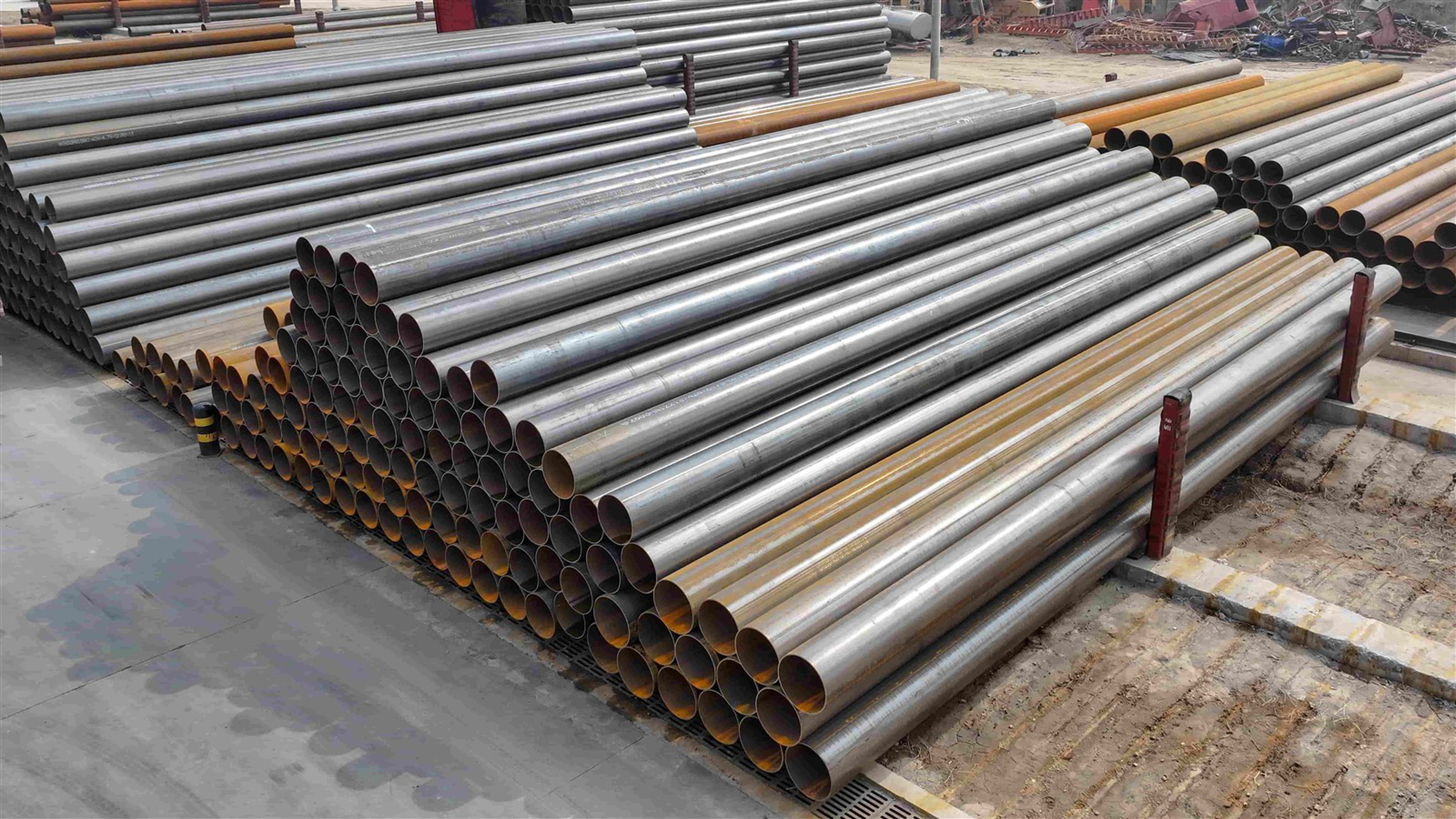
3PE anti-corrosion steel pipes are the cornerstone of corrosion protection in industrial fluid transport systems, widely used in oil and gas, water supply, chemical, and power industries. The term "3PE" denotes a three-layer polyethylene composite coating, which forms a robust, integrated barrier to shield steel pipes from corrosive environments, mechanical damage, and environmental aging. The basic structure of these pipes is the key to their exceptional anti-corrosion performance, as each layer is designed to perform a specific function, working synergistically to extend the pipe's service life to 30-50 years. This article answers critical questions about the basic structure of 3PE anti-corrosion steel pipes, exploring the composition, thickness, functions, and synergistic effects of each layer, as well as industry standards and structural differences from similar anti-corrosion solutions.
What Does "3PE" Stand for, and What Is Its Core Structural Principle?
"3PE" is an abbreviation for "Three-Layer Polyethylene" anti-corrosion coating, which is the core structural feature of these steel pipes. Unlike single-layer or double-layer anti-corrosion coatings, the 3PE structure adopts a "sandwich" design, consisting of three sequentially applied layers on the outer surface of the steel pipe substrate. The core principle is to combine the advantages of different materials: the inner layer ensures strong adhesion to the steel, the middle layer achieves seamless bonding between different materials, and the outer layer provides robust physical protection.
This three-layer synergy solves the limitations of single-material coatings-for example, epoxy resin's poor impact resistance and polyethylene's weak adhesion to steel. By integrating these materials into a unified structure, 3PE anti-corrosion steel pipes achieve comprehensive performance that exceeds the sum of individual layers, making them suitable for harsh industrial environments such as buried soil, marine areas, and chemical plants. The structural design also follows the concept of "graded protection," ensuring that each layer complements the others to form an impenetrable barrier against corrosion.
What Constitutes the Inner Layer of 3PE Anti-Corrosion Steel Pipes?
The inner layer of 3PE anti-corrosion steel pipes, also known as the epoxy primer layer, is the first layer in contact with the steel pipe substrate, serving as the foundation of the anti-corrosion system. Made primarily of epoxy resin, this layer is modified with polyamide or amine-based curing agents to enhance its adhesion, hardness, and anti-corrosion performance. It also contains anti-rust pigments and leveling agents to improve its applicability and corrosion resistance.
In terms of thickness, the epoxy primer layer is relatively thin but dense, typically ranging from 100 to 150 microns, with stricter requirements for large-diameter pipes (above 500mm), where the thickness can reach 150 microns according to GB/T 23257-2017 standards. Its key function is to form a strong chemical bond with the cleaned steel surface, preventing corrosive substances such as water, oxygen, and salts from penetrating the interface between the coating and the pipe. Additionally, the epoxy primer has excellent resistance to cathodic, which is crucial for buried pipes using cathodic protection systems.
What Is the Role of the Middle Layer in the 3PE Structure?
The middle layer of 3PE anti-corrosion steel pipes is the adhesive layer (also called the tie layer), which acts as a "bridge" between the epoxy primer layer and the polyethylene top layer. Due to the inherent incompatibility between polar epoxy resin and non-polar polyethylene, the adhesive layer is specially designed to ensure tight bonding between the two layers, eliminating interface gaps that could lead to coating delamination and failure.
The adhesive layer is made of modified polyethylene, usually grafted with maleic anhydride. This modification introduces polar groups into the polyethylene molecule, allowing it to form chemical bonds with the polar epoxy primer and physical entanglement with the non-polar polyethylene top layer. The thickness of the adhesive layer is generally 150-200 microns, and it must be uniformly applied to ensure consistent bonding strength across the entire pipe surface. According to industry standards, the bonding strength between the adhesive layer and the epoxy primer should not be less than 70N/cm, ensuring the three layers form a unified whole.
What Are the Characteristics of the Outer Layer of 3PE Anti-Corrosion Steel Pipes?
The outer layer of 3PE anti-corrosion steel pipes is the polyethylene top layer, which is the outermost protective barrier and the thickest layer in the 3PE structure. Made of high-density polyethylene (HDPE) with a density of 0.94-0.96 g/cm³, this layer is selected for its excellent mechanical properties, chemical inertness, weather resistance, and impact resistance.
The thickness of the polyethylene top layer varies with the pipe diameter and application requirements, ranging from 2.0 to 4.2 millimeters. For example, pipes with a diameter above 1200mm may have an outer layer thickness of up to 4.2mm for protection. This layer acts as a physical shield, protecting the inner layers from mechanical damage during transportation and installation, UV radiation, and external corrosive environments. HDPE's chemical stability also makes it resistant to most organic solvents, acids, and alkalis, and it can withstand temperatures ranging from -40°C to 80°C without cracking or degrading. Some special applications may use medium-density polyethylene (MDPE) to enhance flexibility.
What Is the Steel Pipe Substrate in the 3PE Anti-Corrosion System?
While the three-layer coating is the core of anti-corrosion protection, the steel pipe substrate is an essential part of the 3PE anti-corrosion steel pipe structure, providing the necessary mechanical strength and pressure-bearing capacity. The substrate is typically made of carbon steel, including seamless carbon steel pipes, welded steel pipes, and ERW (Electric Resistance Welded) pipes, with carbon steel being the most widely used due to its cost-effectiveness and good mechanical properties.
Before applying the 3PE coating, the steel pipe surface must undergo strict sandblasting treatment to reach Sa2.5 level (near-white metal color), with a surface roughness of 40-70 microns. This rough surface increases the contact area between the epoxy primer and the steel, enhancing adhesion and ensuring the coating bonds firmly to the substrate. The quality of the steel pipe substrate directly affects the overall performance of the 3PE anti-corrosion system, as any defects in the substrate can lead to coating failure and premature corrosion.
How Do the Three Layers Work Synergistically to Achieve Anti-Corrosion Effects?
The anti-corrosion performance of 3PE anti-corrosion steel pipes relies on the synergistic effect of the three layers, rather than the individual performance of each layer. The epoxy primer layer forms a chemical barrier against corrosion, preventing corrosive substances from reaching the steel substrate; the adhesive layer ensures that the three layers bond tightly, avoiding delamination that would compromise protection; and the polyethylene top layer provides physical protection against mechanical damage and environmental aging.
For example, in a buried environment, the polyethylene top layer first resists the wear and pressure from soil particles, while the adhesive layer prevents water from seeping into the interface between the top layer and the primer. If the outer layer is slightly damaged, the epoxy primer layer can still block corrosive substances, preventing local corrosion of the steel pipe. This multi-layer protection ensures that even if one layer is damaged, the other layers can continue to provide protection, significantly improving the reliability and durability of the anti-corrosion system.
Conclusion
The basic structure of 3PE anti-corrosion steel pipes is a three-layer composite system consisting of an epoxy primer layer, an adhesive layer, and a polyethylene top layer, combined with a carbon steel substrate. Each layer has a clear function: the epoxy primer ensures strong adhesion and corrosion resistance, the adhesive layer achieves seamless bonding between layers, and the polyethylene top layer provides physical protection. The synergistic effect of these layers forms a robust anti-corrosion barrier that can withstand harsh industrial environments. Strict adherence to thickness standards and proper surface treatment of the steel substrate are crucial to ensuring the structural integrity and performance of 3PE anti-corrosion steel pipes. Understanding this basic structure is essential for selecting, installing, and maintaining 3PE anti-corrosion steel pipes, ensuring their long-term reliability in industrial applications.


