


Hey there! As a slip-on flange supplier, I often get asked about the cost of slip-on flanges. It's a question that doesn't have a one-size-fits-all answer, as there are several factors that can influence the price. In this blog post, I'll break down these factors and give you a better understanding of what goes into the cost of slip-on flanges.
First off, let's talk about the materials. Slip-on flanges can be made from a variety of materials, each with its own price point. For instance, carbon steel is one of the most common materials used for slip-on flanges. It's relatively inexpensive, which makes it a popular choice for many applications. Carbon steel offers good strength and durability, and it can withstand a decent amount of pressure.
On the other hand, if you're looking for something more corrosion-resistant, you might consider Alloy Steel Slip On Flange. Alloy steel contains additional elements like chromium, nickel, or molybdenum, which enhance its corrosion resistance and strength. However, these added elements also drive up the cost. The price of alloy steel slip-on flanges can be significantly higher than carbon steel ones, depending on the specific alloy composition.
Another popular option is Stainless Steel Slip On Flange. Stainless steel is known for its excellent corrosion resistance, especially in harsh environments. It's often used in industries like food processing, chemical, and marine, where corrosion can be a major issue. But again, the high corrosion resistance comes at a cost. Stainless steel slip-on flanges are generally more expensive than carbon steel and even some alloy steel flanges.
The size of the slip-on flange is another crucial factor affecting the cost. Larger flanges require more material to manufacture, which means higher raw material costs. Additionally, the manufacturing process for larger flanges can be more complex and time-consuming. For example, a small 1-inch slip-on flange will cost much less than a 24-inch one. The production of larger flanges might involve special equipment and more labor, all of which contribute to the overall price.
The pressure rating of the flange also plays a role in determining the cost. Flanges with higher pressure ratings need to be made from stronger materials and have a more robust design. To ensure they can handle the increased pressure, they may require additional machining and quality control measures. So, if you need a slip-on flange with a high pressure rating, you can expect to pay more for it compared to a flange with a lower pressure rating.

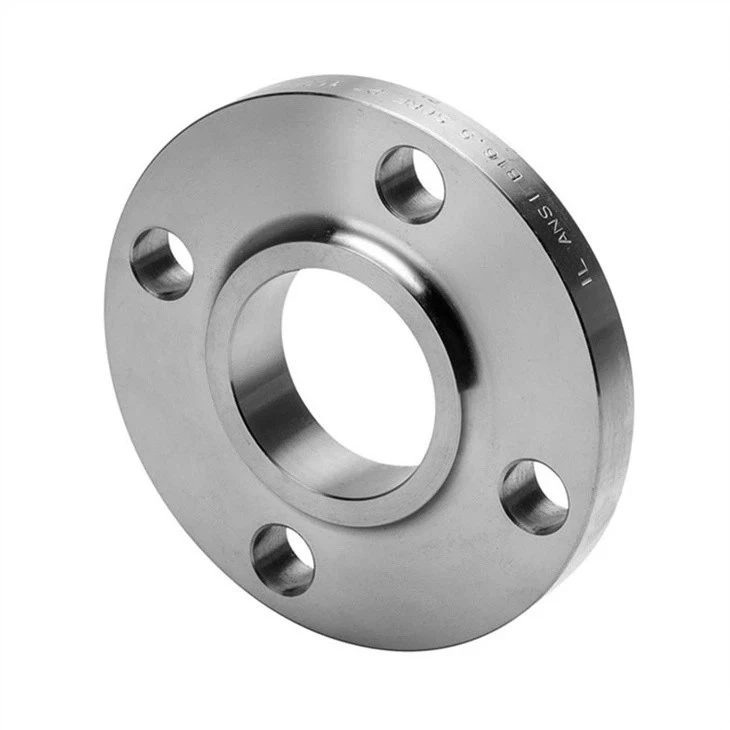
The quantity of flanges you order can have a significant impact on the unit cost. When you order in bulk, suppliers can often offer a lower price per flange. This is because they can benefit from economies of scale in production. For example, if you order just a few flanges, the supplier has to cover the setup costs for each individual piece. But when you order a large quantity, these setup costs are spread out over more units, reducing the overall cost per flange.
Surface finish is another aspect that can affect the price. Some applications may require a smooth or polished surface finish for the slip-on flanges. Achieving a high-quality surface finish requires additional processing steps, such as grinding or polishing. These extra steps add to the manufacturing time and cost, so flanges with a better surface finish will generally be more expensive.
Now, let's talk about the market conditions. The prices of raw materials like steel can fluctuate based on global supply and demand. If there's a high demand for steel in the market, the price of steel will go up, and so will the cost of slip-on flanges. Similarly, factors like trade policies, tariffs, and currency exchange rates can also impact the final price of the flanges. For example, if there are new tariffs on imported steel, it can increase the cost of manufacturing slip-on flanges, which will then be passed on to the customers.
In addition to the direct manufacturing costs, there are also other expenses involved in getting the slip-on flanges to you. Shipping costs can vary depending on the distance, weight, and volume of the order. If you're ordering from overseas, there may be additional customs duties and taxes. These costs can add up and significantly affect the total cost of the flanges.
When it comes to getting the best deal on slip-on flanges, it's important to do your research. Compare prices from different suppliers, but don't just focus on the price alone. Consider the quality of the flanges, the reputation of the supplier, and the level of customer service. A cheaper flange may end up costing you more in the long run if it doesn't meet your quality requirements or if the supplier has poor customer support.
As a slip-on flange supplier, I understand that cost is an important factor for our customers. That's why we strive to offer high-quality flanges at competitive prices. We work closely with our suppliers to get the best deals on raw materials and optimize our manufacturing processes to reduce costs. We also offer a wide range of materials, sizes, and pressure ratings to meet the diverse needs of our customers.
If you're in the market for slip-on flanges and want to discuss your requirements, I'd love to hear from you. Whether you need Alloy Steel Slip On Flange, stainless steel, or carbon steel flanges, we can provide you with a detailed quote. Just reach out to us, and we'll work together to find the best solution for your project.
In conclusion, the cost of slip-on flanges is determined by a combination of factors, including materials, size, pressure rating, quantity, surface finish, and market conditions. By understanding these factors, you can make an informed decision when purchasing slip-on flanges. And if you have any questions or need further information, don't hesitate to contact us. We're here to help you get the right flanges at the right price.
References:
- Industry knowledge and experience in the slip-on flange manufacturing and supply.
- Market research on raw material prices and trends.


