


What Are Pipe Fittings?
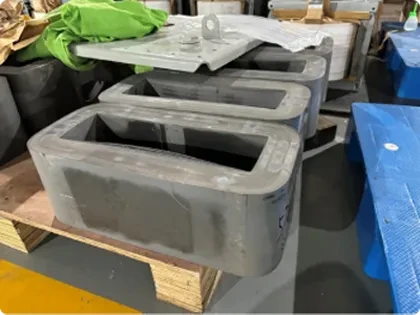
Pipe systems are the invisible backbone of modern infrastructure, quietly powering homes, industrial facilities, public spaces, and critical industries around the world. They transport water for drinking and sanitation, natural gas for heating and cooking, chemicals for manufacturing, steam for power generation, and a host of other essential media that keep societies running smoothly. While pipes themselves are the primary conduits-long, straight, hollow structures designed for bulk media transport-pipe fittings are the unsung components that bring these systems to life. They connect disjointed pipe sections, guide flow around obstacles, regulate pressure and flow rates, and adapt to the unique layout and demands of each application. For most people, pipe fittings are easy to overlook, hidden behind walls, under floors, or in industrial machinery. Yet, they are indispensable to every functional pipe network; without them, pipes would be nothing more than isolated segments unable to serve any practical purpose. But what exactly are pipe fittings? How do they work, what types exist, and why are they so critical to the safety and efficiency of pipe systems? This formal news-style article adopts question-type subheadings to systematically explore the definition, core functions, key types, material classifications, industry standards, and practical significance of pipe fittings, providing a professional, accessible overview for readers ranging from facility managers and engineers to curious homeowners and students.
1. What Is the Formal Definition of Pipe Fittings?
At its core, a pipe fitting is a specialized, manufactured component designed to connect, modify, terminate, or adapt sections of pipe in a piping system. Unlike pipes, which are typically straight, uniform, and focused solely on transporting media, fittings are engineered to perform specific auxiliary functions that make the pipe network versatile, efficient, and safe. The American Society of Mechanical Engineers (ASME) and the International Organization for Standardization (ISO)-two leading authorities on industrial and infrastructure standards-provide a formal definition: "Pipe fittings are detachable or permanent components used to join pipes, change flow direction, regulate flow velocity or pressure, adapt pipe sizes, or terminate pipe ends, all while ensuring the structural integrity, leak tightness, and operational efficiency of the piping system."
Crucially, pipe fittings are not a one-size-fits-all solution. They are meticulously tailored to match the pipe's material (e.g., steel, plastic, copper), diameter (from small 10mm residential pipes to large 1000mm industrial pipelines), pressure rating (ranging from low-pressure residential plumbing to high-pressure industrial steam lines), and the type of media being transported (water, gas, chemicals, steam, etc.). For example, fittings used in a residential potable water system must be non-toxic, corrosion-resistant, and designed for low pressure, while those in a high-temperature industrial steam line must withstand extreme heat (up to 1000℃) and pressure (exceeding 30 MPa), requiring heavy-duty materials and reinforced designs. Regardless of their specific design or application, all pipe fittings share a common overarching purpose: to enhance the functionality, reliability, and safety of the pipe system they support.
2. What Core Functions Do Pipe Fittings Serve?
Pipe fittings perform four primary core functions that are essential to the operation of any piping system. These functions address the practical challenges of designing and operating pipe networks, which must often navigate complex layouts, adapt to varying demands, and maintain consistent performance. Without these functions, pipes would be disjointed, inefficient, and prone to catastrophic failure, making them unable to serve their intended purpose.
The first and most fundamental function is connection. Fittings join individual pipe sections into a cohesive, leak-proof network, ensuring that media can flow seamlessly from one section to the next without loss or contamination. This includes connecting straight pipe segments, as well as linking pipes to equipment such as pumps, valves, tanks, and faucets. Connection fittings must create tight, durable joints that can withstand the system's operating pressure and temperature, preventing leaks that could lead to water damage, environmental pollution, or safety hazards (e.g., gas leaks).
The second core function is direction control. Pipe systems rarely run in a single straight line; they must navigate around walls, floors, columns, machinery, and other obstacles. Direction-changing fittings guide media flow around these barriers, allowing the pipe network to fit within the available space while maintaining consistent flow velocity and pressure. Common examples include elbows (45° and 90°) and bends, which change the flow direction by specific angles, and returns (180° elbows), which redirect flow back toward the source.
Third, pipe fittings provide size adaptation. Most pipe systems branch out from a main line to smaller branch lines (e.g., a main water line in a building splitting into smaller lines for individual rooms) or transition to larger pipes to accommodate higher flow rates. Size-adapting fittings-such as reducers (which narrow the pipe diameter) and expanders (which widen it)-ensure that flow and pressure remain consistent during these transitions, preventing turbulence, pressure drops, or flow restrictions that could reduce system efficiency or damage components.
The fourth core function is flow regulation. Many pipe systems require precise control over flow rates, pressure, or media direction to optimize performance and prevent damage. Specialized regulatory fittings-such as valves, flow meters, and pressure relief valves-monitor and adjust these parameters, ensuring the system operates within safe, efficient limits. For example, gate valves control on-off flow, while globe valves throttle flow incrementally, and pressure relief valves release excess pressure to prevent pipe bursts.
3. How Are Pipe Fittings Classified by Their Materials?
Pipe fittings are classified by several criteria, including function, design, and application, but material is one of the most important. The material of a pipe fitting determines its durability, corrosion resistance, compatibility with different media, and ability to withstand specific temperatures and pressures. The choice of material is therefore dictated by the pipe's material, the media being transported, the system's operating conditions, and budget constraints. The most common materials for pipe fittings fall into four key categories, each suited to specific applications.
Metal fittings are the most widely used in industrial, commercial, and high-pressure systems. They are valued for their exceptional strength, durability, and ability to withstand high temperatures and pressures. Common metal materials include carbon steel (affordable and strong, used for low-to-medium pressure systems), stainless steel (corrosion-resistant, ideal for food, beverage, and chemical applications), and ductile iron (malleable and impact-resistant, used for large-diameter pipes and outdoor systems, such as water mains and fire pipes). Metal fittings are typically manufactured via casting, forging, or machining, ensuring precision and reliability.
Plastic fittings are lightweight, affordable, and corrosion-resistant, making them ideal for residential plumbing, low-pressure commercial systems, and applications where metal would be prone to rust. Common plastic materials include PVC (polyvinyl chloride), which is used for cold water lines, drainage systems, and irrigation; CPVC (chlorinated polyvinyl chloride), which can withstand higher temperatures and is used for hot water lines; and PEX (cross-linked polyethylene), which is flexible, easy to install, and resistant to freezing, making it popular for residential water supply systems. Plastic fittings are typically joined via solvent welding, compression, or crimping, depending on the material.
Copper fittings are favored for potable water systems, refrigeration lines, and HVAC (heating, ventilation, and air conditioning) systems. Copper is non-toxic, ensuring it does not contaminate drinking water, and it is highly heat-resistant, making it suitable for hot water lines and refrigeration applications. Copper fittings are also corrosion-resistant and easy to install (via soldering or brazing), and they have a long service life, making them a cost-effective choice for residential and commercial plumbing.
Specialized alloy fittings are used in extreme environments where standard materials (metal, plastic, copper) would fail. These include nickel-based alloys (e.g., Inconel, Hastelloy), which resist corrosion and extreme temperatures (up to 1200℃) and are used in chemical plants, nuclear facilities, and aerospace applications; titanium fittings, which are lightweight and highly corrosion-resistant, used in marine environments and chemical processing; and aluminum fittings, which are lightweight and non-magnetic, used in aerospace and electrical applications.
4. What Are the Most Common Types of Pipe Fittings?
While there are hundreds of specialized pipe fittings designed for unique applications, several common types are used across most piping systems. These fittings are universal in their function, appearing in residential homes, commercial buildings, and industrial facilities alike, and they form the foundation of any reliable pipe network. Each type is engineered for a specific purpose, but together they enable the pipe system to adapt to complex layouts and meet diverse performance needs.
Elbows are the most basic and widely used direction-changing fittings, available in two primary angles: 45° and 90°. 90° elbows are used for sharp turns, such as navigating from a horizontal pipe to a vertical pipe (e.g., from a main water line in a basement to a branch line on an upper floor), while 45° elbows are used for more gradual turns, which minimize turbulence and pressure loss. Elbows are available in "long radius" (for high-flow systems) and "short radius" (for tight spaces) designs, depending on the application.
Tees are branching fittings that split a single main pipe into two or more branch lines, allowing media to be distributed to multiple areas. For example, a tee might split a main water line in a commercial building into branch lines feeding different floors or departments. Tees are available in equal-diameter (where the main pipe and branch lines are the same size) and reducing (where the branch lines are smaller than the main pipe) designs, with the latter being more common in residential and commercial systems.
Reducers and expanders are size-adapting fittings. Reducers transition from a larger pipe diameter to a smaller one, ensuring consistent flow and pressure as the pipe narrows (e.g., from a 100mm main line to a 50mm branch line). They are available in concentric (where the center of the smaller pipe aligns with the center of the larger pipe) and eccentric (where the centers are offset) designs; eccentric reducers are often used in horizontal pipes to prevent air pockets from forming. Expanders (or increasers) do the opposite, transitioning from a smaller diameter to a larger one to accommodate higher flow rates.
Couplings and unions are connection fittings used to join two straight pipe sections. Couplings are permanent connections, typically joined via solvent welding (for plastic), soldering (for copper), or threading (for metal), and they are ideal for sections of pipe that do not require disassembly. Unions are similar but allow for easy disassembly, making them suitable for areas where maintenance or repairs may be needed (e.g., near a pump or valve).
Flanges are detachable connection fittings used to join pipes to equipment (e.g., pumps, valves, tanks) or to connect large-diameter pipe sections. They consist of flat metal disks with pre-drilled holes for bolts, which clamp the flanges of two components together with a gasket in between to create a leak-proof seal. Flanges are essential for industrial systems, where equipment may need to be removed for maintenance, and they are available in various pressure ratings to match the system's requirements.
Caps and plugs are termination fittings used to close the end of a pipe. Caps are used to seal the end of a pipe permanently (e.g., a dead-end branch line), while plugs are removable, allowing access to the pipe for maintenance or inspection. Both prevent media leakage and protect the pipe end from debris and contamination.
5. Why Are Pipe Fittings Critical to Piping System Reliability?
Pipe fittings are far more than mere "accessories" in a piping system-they are critical components that directly impact the system's reliability, safety, efficiency, and service life. A single faulty or improperly selected fitting can lead to catastrophic consequences, including media leaks, pressure loss, system failure, environmental damage, financial losses, and even threats to human life. Their importance cannot be overstated, as they are the "glue" that holds the pipe system together and ensures it operates as intended.
Safety is the most pressing reason for the criticality of pipe fittings. In systems transporting hazardous media-such as natural gas, chemicals, or steam-a leaking fitting can cause explosions, fires, chemical spills, or toxic exposure. For example, a faulty coupling in a natural gas line can release gas into a home or building, creating a severe explosion risk. In potable water systems, a leaking fitting can contaminate drinking water with bacteria or other pollutants, posing health hazards to users. Even in non-hazardous systems (e.g., residential water supply), leaks can cause extensive water damage to buildings, leading to costly repairs and mold growth.
Reliability is another key factor. Pipe systems are often expected to operate continuously for years, if not decades, with minimal downtime. Fittings ensure that the system remains leak-proof and functional over time, even under varying operating conditions (e.g., temperature fluctuations, pressure spikes). For example, in industrial facilities, a faulty pressure relief valve (a specialized fitting) can lead to overpressure, causing pipes to burst and shutting down production-resulting in millions of dollars in lost revenue. Properly selected and installed fittings minimize the risk of unplanned downtime, ensuring the system remains operational when it is needed most.
Efficiency is also influenced by pipe fittings. Well-designed fittings reduce flow resistance, turbulence, and pressure drops, allowing the system to operate more efficiently and consume less energy. For example, long-radius elbows minimize flow resistance compared to short-radius elbows, reducing the energy required to pump media through the system. Properly sized reducers and expanders ensure consistent flow rates, preventing waste and optimizing performance. In contrast, poorly selected fittings can increase energy consumption and reduce the system's overall efficiency.
6. Do Pipe Fittings Need to Meet Specific Industry Standards?
Yes, pipe fittings must comply with strict industry standards to ensure they are safe, reliable, and compatible with pipe systems. These standards are developed by leading organizations-such as ASME, ISO, NFPA (National Fire Protection Association), and ASTM International-and they govern every aspect of fitting design, material quality, pressure ratings, dimensional accuracy, and testing requirements. Compliance with these standards is not optional; it is a legal requirement in most jurisdictions, as non-compliant fittings pose serious safety and reliability risks.
The most widely recognized standards for pipe fittings include ASME B16.9, which specifies requirements for butt-weld fittings (used in high-pressure industrial systems), including material composition, dimensional tolerances, and testing methods. ASME B16.5 covers flanges, outlining standards for flange design, pressure ratings, and gasket compatibility. For fire pipe fittings, NFPA 13 sets strict requirements to ensure fittings can withstand high temperatures and pressures, preventing failure during fire emergencies.
For residential and commercial plumbing, ASTM International provides standards for plastic and copper fittings. For example, ASTM D2466 covers PVC fittings for drainage, waste, and vent systems, while ASTM B88 specifies requirements for copper tube fittings used in potable water and refrigeration systems. These standards ensure that fittings are non-toxic, corrosion-resistant, and designed to withstand the operating conditions of residential and commercial systems.
Compliance with industry standards is verified through rigorous testing. Fittings are tested for leak tightness, pressure resistance, temperature resistance, corrosion resistance, and structural integrity, ensuring they perform as intended under their operating conditions. For example, pressure relief valves are tested to ensure they open and close at the correct pressure threshold, while flanges are tested to ensure they can withstand the system's maximum operating pressure without leaking. Fittings that meet these standards are marked with a certification (e.g., ASME B16.9) to indicate compliance, giving users confidence in their quality and reliability.
Conclusion
Pipe fittings are specialized components that play an indispensable role in connecting, guiding, adapting, and regulating pipe systems- the invisible infrastructure that powers modern life. Defined by their ability to enhance the functionality, reliability, and safety of pipe networks, they are classified by material, type, and function, with each fitting tailored to specific operating conditions and media requirements. From simple elbows and couplings that navigate corners and join pipes to specialized pressure relief valves and flow meters that ensure safe, efficient operation, pipe fittings are the backbone of every functional pipe system.
Understanding what pipe fittings are, their core functions, and the standards they must meet is essential for anyone involved in the design, installation, maintenance, or use of pipe systems-whether a facility manager overseeing an industrial plant, an engineer designing a commercial building's plumbing, or a homeowner troubleshooting a residential water leak. Pipe fittings may be easy to overlook, but their impact is profound: they prevent leaks, protect against safety hazards, optimize efficiency, and ensure that pipe systems operate reliably for years to come.
As infrastructure continues to evolve and demand for safer, more efficient pipe systems grows, the role of pipe fittings will only become more critical. Advances in material science and manufacturing technology are leading to the development of more durable, corrosion-resistant, and efficient fittings, capable of withstanding even the most extreme operating conditions. By prioritizing high-quality, standards-compliant fittings and ensuring proper selection and installation, we can build pipe systems that are safe, reliable, and sustainable-supporting the needs of societies today and into the future.


