


Understanding ERW Pipe: Definitions and Basics
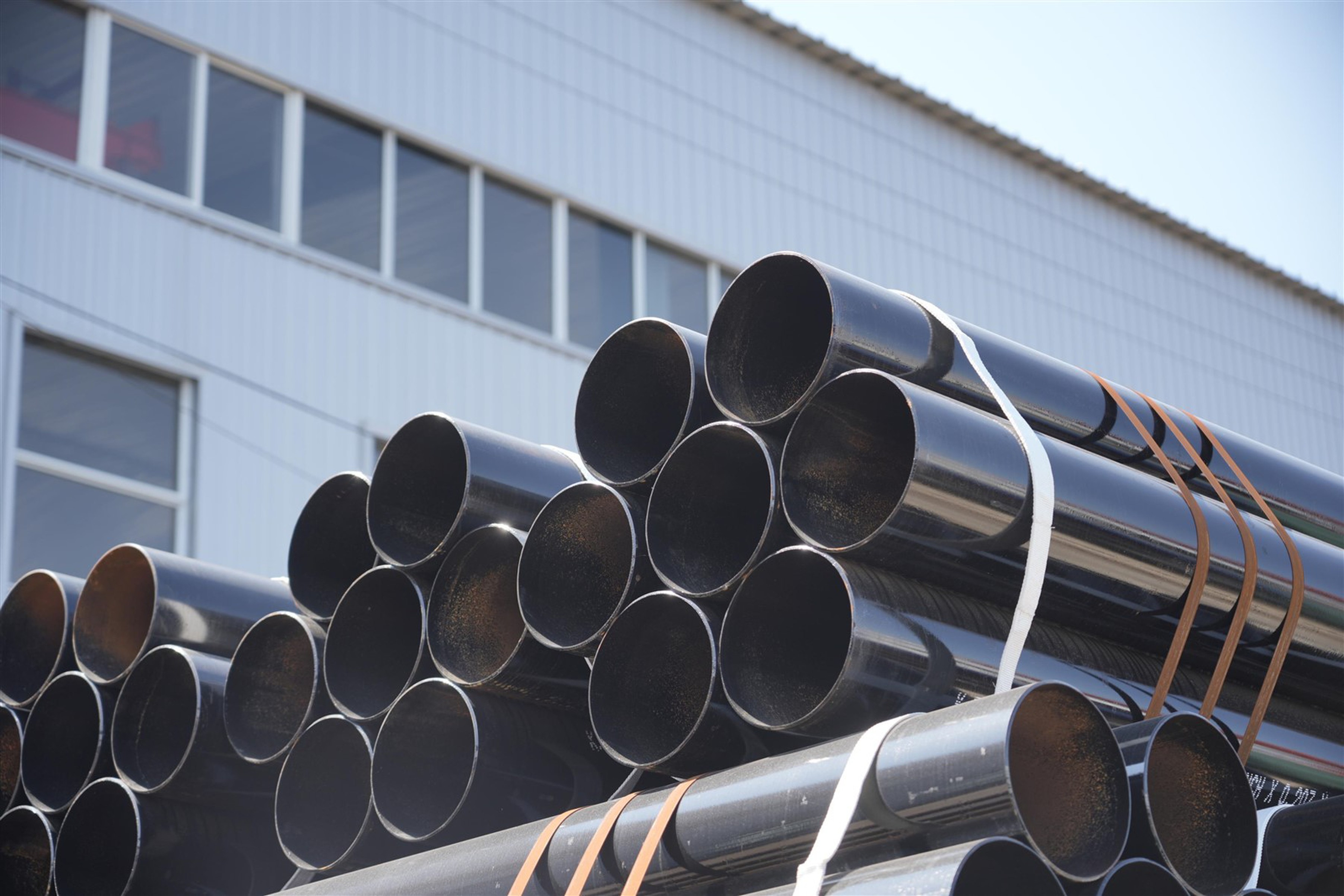
In the complex world of steel pipe manufacturing, ERW pipes hold a prominent position due to their unique production process and wide range of applications. To gain a comprehensive understanding of these pipes, it is essential to start with their basic definitions and explore their fundamental aspects. This article will delve into the core of ERW pipes, covering key concepts such as erw pipe meaning, what is erw pipe, and the nature of electric resistance welded steel pipe, while also touching upon related terms like hfw meaning and hfw steel pipe for a more holistic view. Additionally, we will take a look at how Huayang Steel Pipe, a leading enterprise in the industry, applies these concepts in practice.
Erw Pipe Meaning: Decoding the Term
At the heart of understanding ERW pipes lies grasping the erw pipe meaning. ERW is an acronym for Electric Resistance Welding. This term encapsulates the core technology used in the production of these pipes. Unlike other welding methods that rely on external heat sources like flames or arcs, ERW utilizes the resistance of the metal itself to generate the necessary heat for welding.
The process involves passing an electric current through the edges of a steel strip that has been formed into a cylindrical shape. As the current encounters resistance in the steel, heat is generated, causing the edges to melt. Simultaneously, pressure is applied to the molten edges, fusing them together to form a strong, continuous weld. This unique approach is what distinguishes ERW from other welding techniques and gives the pipes their distinct characteristics. Huayang Steel Pipe has long been committed to mastering and optimizing this technology, making full use of the advantages of ERW to produce high-quality steel pipes.
What is ERW Pipe: A Fundamental Definition
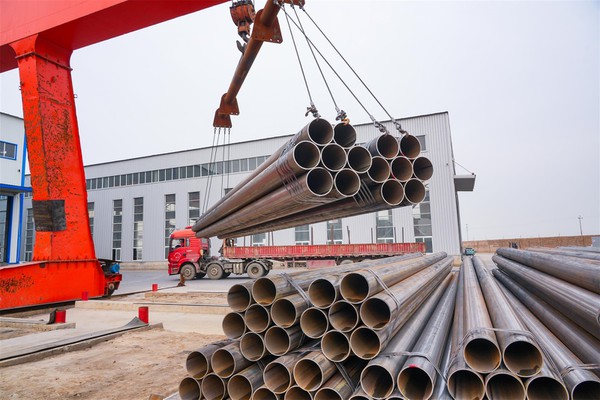
Building on the erw pipe meaning, we can clearly answer the question: what is erw pipe? An ERW pipe, also known as an electric resistance welded steel pipe, is a type of welded steel pipe manufactured by shaping a flat steel strip into a hollow cylinder and then joining the two longitudinal edges using electric resistance welding.
The key here is that the welding process is driven by the resistance of the steel to the electric current, eliminating the need for additional filler materials. This results in a pipe with a seamless-looking weld seam (though it is a welded pipe) that possesses good mechanical properties. Electric resistance welded steel pipe has become a staple in various industries due to its cost-effectiveness, consistent quality, and adaptability to different sizes and specifications. Huayang Steel Pipe's ERW pipes are a prime example of this, as they are designed and produced to meet the diverse needs of customers across different sectors.
The Manufacturing Process of Electric Resistance Welded Steel Pipe
To truly understand ERW pipes, it is crucial to explore their manufacturing process, which is integral to their basic characteristics. The production of electric resistance welded steel pipe typically follows a series of well-defined steps, and Huayang Steel Pipe has refined each of these steps to ensure superior quality.
1. Raw Material Preparation
The process begins with high-quality steel strips. These strips are carefully selected based on their chemical composition and mechanical properties to ensure they meet the required standards for the intended application. The strips are then uncoiled and straightened to remove any imperfections or curvature, ensuring a flat and uniform surface for subsequent processing. Huayang Steel Pipe has established strict raw material inspection procedures. They source steel strips from renowned steel mills and conduct rigorous testing on each batch, including chemical composition analysis and mechanical property testing, to ensure that only qualified raw materials enter the production line.
2. Forming the Cylinder
The straightened steel strip is fed into a series of forming rolls. These rolls gradually shape the flat strip into a cylindrical tube. The forming process is highly precise, as the alignment of the edges is critical to the quality of the final weld. The goal is to create a cylinder where the two edges are perfectly matched and ready for welding. Huayang Steel Pipe has invested in advanced forming equipment with precise roll design. The forming process is controlled by computer systems to ensure that the steel strip is formed into a cylinder with accurate dimensions and good roundness, laying a solid foundation for the subsequent welding step.
3. Electric Resistance Welding
This is the defining step in the production of ERW pipes. The formed cylinder is passed through a set of welding electrodes. These electrodes apply pressure to the edges of the cylinder while an electric current is passed through them. The resistance of the steel causes the edges to heat up and melt. The pressure from the electrodes forces the molten edges to fuse together, forming a solid weld seam. The parameters of the current, voltage, and pressure are carefully controlled to ensure a strong and defect-free weld. Huayang Steel Pipe has a team of professional technicians who continuously optimize the welding parameters. They use advanced monitoring systems to real-time track the welding process, ensuring that the weld seam quality is stable and reliable.
4. Sizing and Straightening
After welding, the pipe undergoes sizing to ensure it meets the exact dimensional requirements, including outer diameter and wall thickness. Straightening is also performed to correct any minor bends or deviations, ensuring the pipe is perfectly straight. Huayang Steel Pipe's sizing and straightening equipment is highly precise, which can accurately control the dimensions and straightness of the pipes, meeting the strict standards of various industries.
5. Post-Weld Treatments
Depending on the application, the electric resistance welded steel pipe may undergo additional treatments. These can include heat treatment to relieve internal stresses, which enhances the pipe's mechanical properties, and surface treatments such as galvanizing or coating to improve corrosion resistance. Huayang Steel Pipe offers a variety of post-weld treatment options according to customer needs. For example, for pipes used in corrosive environments, they provide galvanizing or anti-corrosion coating treatments to extend the service life of the pipes.
Key Characteristics of ERW Pipes
Understanding the basic characteristics of ERW pipes helps in appreciating their suitability for various applications, and Huayang Steel Pipe's products embody these characteristics:
1. Cost-Effectiveness
The manufacturing process of ERW pipes is efficient, with high production rates and minimal material waste. This makes electric resistance welded steel pipe a cost-effective option compared to seamless pipes, which require more complex and time-consuming production methods. Huayang Steel Pipe, through continuous process optimization and scale production, further reduces the production cost of ERW pipes, providing customers with high-quality and cost-effective products.
2. Dimensional Accuracy
The forming and sizing steps in the production process ensure that ERW pipes have high dimensional accuracy. This precision makes them easy to install and compatible with various fittings, which is crucial in many industrial and construction applications. Huayang Steel Pipe's strict quality control in the production process ensures that the dimensional tolerance of its ERW pipes is within a very small range, ensuring good compatibility with fittings.
3. Good Weld Quality
When produced under proper conditions, the weld seam of ERW pipes is strong and reliable. The fusion of the edges at the molecular level results in a weld that has mechanical properties comparable to the base metal, ensuring the overall integrity of the pipe. Huayang Steel Pipe's ERW pipes undergo strict weld seam inspection, including ultrasonic testing and X-ray testing, to ensure that there are no defects in the weld seam, and the mechanical properties of the weld seam meet or exceed the requirements of relevant standards.
4. Versatility
ERW pipes can be manufactured in a wide range of sizes, from small diameters used in plumbing to large diameters for industrial applications. They can also be made from various types of steel, allowing them to be tailored to specific requirements such as high strength or corrosion resistance. Huayang Steel Pipe has a complete production line that can produce ERW pipes of different sizes and materials. Whether it is a small-diameter pipe for household use or a large-diameter pipe for industrial projects, they can meet the needs of customers.
ERW vs. HFW: Clarifying the Differences
To further enhance our understanding of ERW pipes, it is useful to compare them with HFW pipes by first understanding hfw meaning. HFW stands for High-Frequency Welding. HFW steel pipe is another type of welded steel pipe, but it differs from ERW in the welding process.
In HFW welding, high-frequency current (typically in the range of 300 kHz to 500 kHz) is used to generate heat. This high-frequency current creates a more concentrated heat zone at the edges of the steel strip, resulting in a narrower heat-affected zone (HAZ) compared to ERW pipes, which use lower frequency current (usually 50 Hz or 60 Hz).
The narrower HAZ in HFW steel pipe can be beneficial in certain applications as it minimizes the impact on the mechanical properties of the base metal around the weld. However, ERW pipes have their own advantages, such as lower production costs in some cases and suitability for a broader range of sizes and applications.
Huayang Steel Pipe also produces HFW steel pipes, but they recognize that ERW pipes have their unique market positioning. For applications where cost-effectiveness and versatility are more important, ERW pipes are often the preferred choice. The company's production lines for both ERW and HFW pipes are equipped with advanced technology to ensure the quality of their products.
While both ERW and HFW are types of electric resistance welding in a broader sense, the difference in frequency and heat distribution leads to distinct characteristics that make each suitable for specific scenarios.
Applications of ERW Pipes
The basic characteristics of ERW pipes make them suitable for a wide array of applications, and Huayang Steel Pipe's products are widely used in the following fields:
1. Water and Gas Distribution
Electric resistance welded steel pipe is commonly used in water supply systems, sewage systems, and natural gas distribution networks. Their dimensional accuracy and corrosion resistance (when properly treated) make them ideal for these purposes. Many municipal engineering projects have chosen Huayang Steel Pipe's ERW pipes for water and gas distribution, thanks to their reliable quality and long service life.
2. Structural Applications
In construction, ERW pipes are used as structural components in buildings, bridges, and scaffolding. Their strength and cost-effectiveness make them a preferred choice for such applications. Huayang Steel Pipe's ERW pipes have been used in many large construction projects, providing strong support for the structures.
3. Industrial Piping
ERW pipes find use in various industrial processes, including the transportation of chemicals, oils, and other fluids. They are also used in heat exchangers and other industrial equipment. Many industrial enterprises trust Huayang Steel Pipe's ERW pipes for their industrial piping needs, as they can withstand the harsh conditions of industrial production.
4. Automotive Industry
In the automotive sector, ERW pipes are used in exhaust systems, fuel lines, and other components where strength and durability are essential. Huayang Steel Pipe has established partnerships with some automotive manufacturers, providing them with high-quality ERW pipes that meet the strict requirements of the automotive industry.
Conclusion
Understanding ERW pipe starts with grasping its basic definitions and fundamentals. From the erw pipe meaning as Electric Resistance Welding to answering what is erw pipe as a steel pipe manufactured using this process, each aspect contributes to our knowledge of these versatile products. The manufacturing process of electric resistance welded steel pipe, with its focus on precision and efficiency, results in pipes with unique characteristics that make them suitable for a wide range of applications.
Huayang Steel Pipe, as a representative enterprise in the industry, has made remarkable achievements in the production and application of ERW pipes. By adhering to strict quality control and continuous technological innovation, they have produced high-quality electric resistance welded steel pipes that are widely used in various fields.
By comparing ERW with related terms like hfw meaning and hfw steel pipe, we can better appreciate the nuances of different welding technologies. As industries continue to evolve, the role of ERW pipes is likely to remain significant, driven by their cost-effectiveness, reliability, and adaptability. Whether in construction, infrastructure, or industrial settings, a solid understanding of ERW pipe basics is essential for anyone involved in the steel pipe industry, and the practices of enterprises like Huayang Steel Pipe provide valuable insights into the practical application of these basics.


