


How Does Corrosion Impact Seamless Carbon Steel Pipe Lifespan?
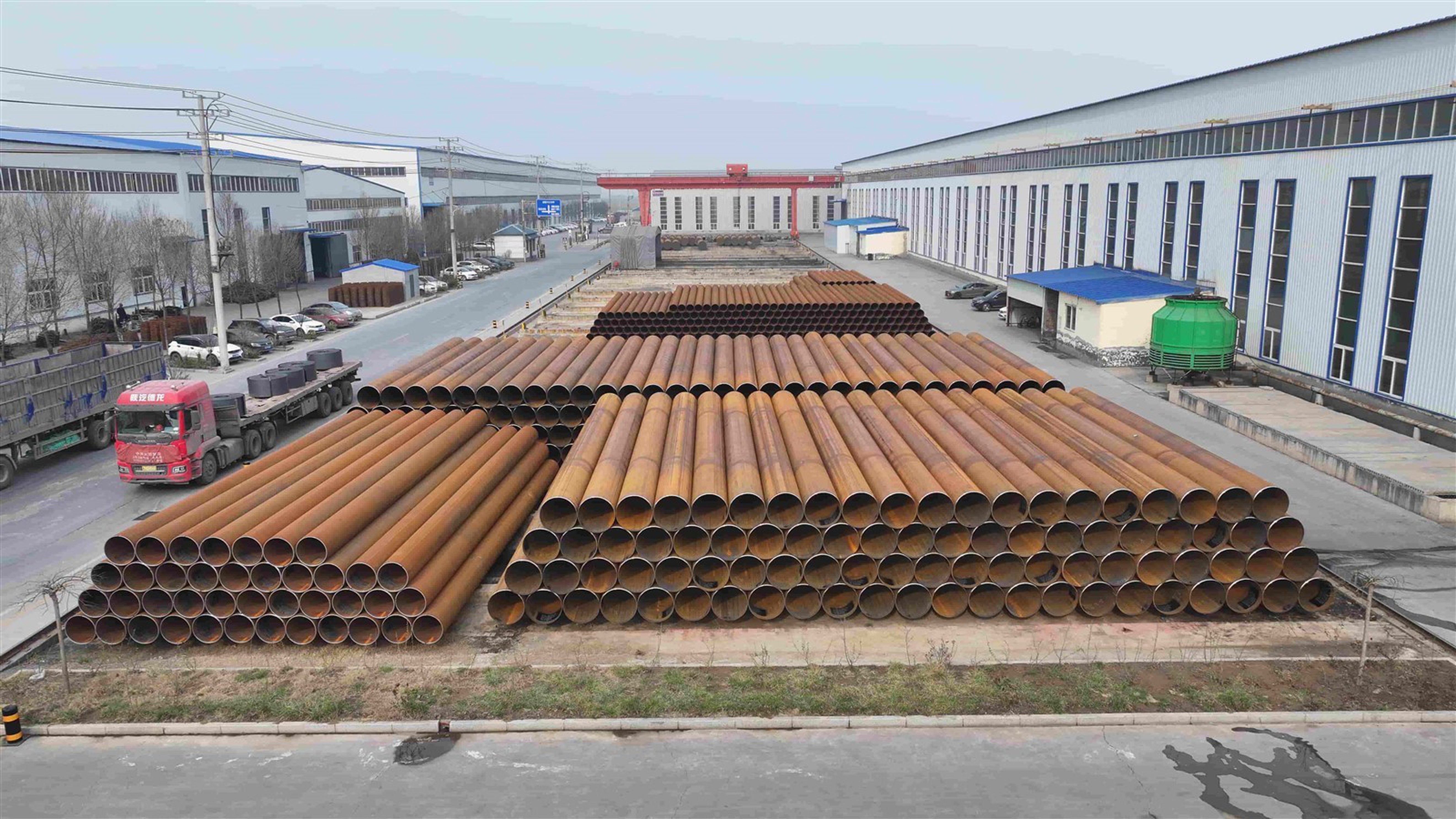
Seamless carbon steel pipes are essential components in industrial, commercial, and infrastructure projects, valued for their joint-free structure, strength, and cost-effectiveness. Their typical lifespan ranges from 20 to 50 years, but this longevity is heavily threatened by corrosion-one of the most common and damaging factors affecting their performance. Unlike stainless steel, seamless carbon steel lacks inherent corrosion-resistant alloying elements, making it vulnerable to degradation when exposed to moisture, oxygen, and other corrosive agents. Understanding how corrosion impacts seamless carbon steel pipe lifespan is critical for industry professionals to prevent premature failure, optimize maintenance, and maximize investment value. This article answers key questions about corrosion's effects, the types of corrosion that affect these pipes, and how to mitigate its impact.
What Is Corrosion and Why Is It a Threat to Seamless Carbon Steel Pipes?
Corrosion is a natural electrochemical process where metals react with their environment, leading to the gradual degradation of their structure and properties. For seamless carbon steel pipes, corrosion occurs when the iron in the steel reacts with oxygen and moisture, forming rust (iron oxide)-a brittle, porous substance that weakens the pipe's wall and compromises its structural integrity.
Seamless carbon steel is particularly vulnerable to corrosion because it lacks the protective alloying elements (such as chromium or nickel) found in stainless steel. These elements form a passive oxide layer that shields the metal from environmental damage, but carbon steel has no such natural protection. As a result, even mild exposure to moisture and oxygen can initiate corrosion, which progresses over time and shortens the pipe's lifespan.
Corrosion is not just a cosmetic issue; it directly reduces the pipe's wall thickness, tensile strength, and pressure-bearing capacity. Left unaddressed, it can lead to leaks, bursts, and catastrophic failure-often well before the pipe reaches its expected lifespan. For example, an unprotected seamless carbon steel pipe in a moderately corrosive environment may fail in 10 to 15 years, compared to 40 to 50 years with proper corrosion protection.
What Are the Main Types of Corrosion Affecting Seamless Carbon Steel Pipes?
Corrosion affects seamless carbon steel pipes in several distinct forms, each with unique characteristics and impacts on lifespan. The most common types are uniform corrosion, localized corrosion (including pitting and crevice corrosion), and galvanic corrosion-each varying in severity and predictability.
Uniform corrosion is the most predictable type, occurring evenly across the pipe's inner and outer surfaces. It gradually thins the pipe's wall over time, reducing its strength and pressure resistance. This type of corrosion is often caused by exposure to moisture, oxygen, or mild acidic/alkaline environments. While uniform corrosion is slow, it is consistent, and its rate (typically 0.1 to 0.5 mm per year) can be easily measured to estimate remaining lifespan.
Pitting corrosion is a more dangerous localized form, characterized by small, concentrated holes (pits) on the pipe's surface. These pits form when corrosion is concentrated in specific areas, often due to surface irregularities, debris accumulation, or exposure to chloride ions (e.g., saltwater). Pitting corrosion is hard to detect early and can quickly penetrate the pipe's wall, leading to sudden leaks and premature failure.
Crevice corrosion occurs in narrow gaps or crevices (e.g., between pipe fittings, welds, or supports) where moisture, oxygen, and corrosive substances become trapped. This creates a localized corrosive environment that accelerates degradation, often leading to hidden damage that is difficult to inspect. Galvanic corrosion, meanwhile, happens when seamless carbon steel is in contact with a more "noble" metal (e.g., stainless steel, copper), causing the carbon steel to corrode faster as it acts as a sacrificial anode.
How Does Corrosion Rate Affect Seamless Carbon Steel Pipe Lifespan?
The rate of corrosion directly determines how much a seamless carbon steel pipe's lifespan is shortened. Corrosion rate is measured in millimeters per year (mm/year) and varies based on environmental conditions, fluid characteristics, and corrosion protection measures.
In mild, non-corrosive environments (e.g., indoor industrial settings with dry air and non-corrosive fluids), the corrosion rate is very low-0.05 mm/year or less. In this case, a seamless carbon steel pipe with a 10 mm wall thickness could last 100 years or more, far exceeding its typical lifespan. However, in moderately corrosive environments (e.g., outdoor settings with regular rain), the corrosion rate increases to 0.1 to 0.2 mm/year, reducing the pipe's lifespan to 50 to 100 years.
In harsh corrosive environments (e.g., marine settings, chemical processing facilities), the corrosion rate jumps to 0.3 to 0.5 mm/year or higher. Here, the same 10 mm wall pipe could fail in as little as 20 years if unprotected. For example, a seamless carbon steel pipe in a saltwater environment without corrosion protection may corrode at 0.4 mm/year, reducing its effective lifespan from 50 years to just 25 years.
The corrosion rate also depends on the type of corrosion: pitting corrosion, while localized, can penetrate the pipe's wall much faster than uniform corrosion, leading to premature failure even if the overall corrosion rate is low.
What Environmental Factors Accelerate Corrosion and Shorten Lifespan?
Several environmental factors accelerate corrosion in seamless carbon steel pipes, amplifying its impact on lifespan. These factors interact to create a more corrosive environment, speeding up the degradation process.
Moisture and oxygen are the most basic drivers of corrosion-without either, rust cannot form. Outdoor pipes exposed to rain, snow, and high humidity are constantly exposed to moisture, while poor ventilation in indoor settings traps moisture and accelerates corrosion. Saltwater and salt-laden air (common in marine environments) act as catalysts, speeding up the electrochemical reaction between iron, oxygen, and moisture.
Acidic and alkaline environments also accelerate corrosion. Industrial areas with acidic fumes, chemical processing facilities handling acids or alkalis, and even acidic groundwater can react with the pipe's surface, breaking down the metal and increasing corrosion rates. Temperature also plays a role: higher temperatures speed up chemical reactions, so pipes in high-temperature environments (e.g., near industrial furnaces) experience faster corrosion.
Pollution and airborne contaminants (e.g., sulfur dioxide, industrial dust) can also accelerate corrosion, especially in urban or industrial areas. These contaminants react with moisture to form acidic solutions that attack the pipe's surface, shortening its lifespan.
Can Corrosion Be Mitigated to Protect Pipe Lifespan?
Yes, corrosion can be effectively mitigated to protect seamless carbon steel pipe lifespan, allowing these pipes to reach or exceed their typical 20 to 50-year range. The key is implementing proactive corrosion protection measures tailored to the environment and application.
Protective coatings are the most common and effective method. Epoxy, polyurethane, or polyethylene coatings create a barrier between the pipe's surface and the environment, preventing moisture, oxygen, and corrosive substances from making contact with the carbon steel. These coatings can reduce corrosion rates to near-zero, significantly extending lifespan.
Galvanization is another effective measure, where the pipe is coated with a layer of zinc. Zinc acts as a sacrificial anode, corroding in place of the carbon steel and protecting it from damage. Even if the zinc coating is scratched, it continues to protect the underlying steel.
Corrosion inhibitors-chemicals added to the fluid inside the pipe-can slow internal corrosion. These inhibitors form a protective film on the pipe's inner surface, preventing the fluid from reacting with the steel. Regular inspection and maintenance, such as periodic wall thickness measurements and timely repairs, also help detect corrosion early and prevent it from progressing.
How Does Corrosion Interact with Other Factors to Impact Lifespan?
Corrosion does not act in isolation-it interacts with other factors (such as operating conditions, material quality, and maintenance) to further impact seamless carbon steel pipe lifespan. These interactions can either amplify or mitigate corrosion's effects.
High operating temperatures and pressure accelerate corrosion, as they increase the rate of electrochemical reactions and stress the pipe's structure. For example, a pipe in a high-temperature, high-pressure boiler system with corrosive fluid will corrode much faster than a pipe in a low-temperature, low-pressure application.
Material quality also plays a role: high-quality seamless carbon steel pipes (with consistent carbon content and minimal impurities) are more resistant to corrosion than low-quality pipes. Poorly manufactured pipes with surface irregularities or uneven wall thickness are more prone to localized corrosion, such as pitting.
Maintenance practices are critical to mitigating these interactions. Proactive maintenance (e.g., regular inspections, coating touch-ups) can offset the effects of harsh environments and high operating conditions, while neglect allows corrosion to progress unchecked. For example, a high-quality pipe in a corrosive environment with regular maintenance can last 40 to 50 years, while a low-quality pipe in the same environment with no maintenance may fail in 10 years.
Conclusion
Corrosion is a major threat to seamless carbon steel pipe lifespan, directly reducing wall thickness, weakening structural integrity, and leading to premature failure. Its impact varies based on corrosion type, rate, and environmental factors, but it can be effectively mitigated with proper protection and maintenance. Uniform corrosion gradually thins pipes, while localized corrosion (pitting, crevice) causes sudden, hidden damage. Environmental factors like moisture, salt, and acidity accelerate corrosion, while high temperatures and pressure amplify its effects. By implementing protective coatings, galvanization, corrosion inhibitors, and regular maintenance, industry professionals can minimize corrosion's impact, allowing seamless carbon steel pipes to reach their full typical lifespan of 20 to 50 years. Understanding how corrosion impacts these pipes is key to optimizing their performance, reducing costs, and ensuring reliable service in industrial and infrastructure projects.


