


Hey there! As a supplier of blind flanges, I often get asked about the pressure rating of these essential components. So, let's dive right in and break it down in a way that's easy to understand.
First off, what exactly is a blind flange? Well, it's a solid disk used to close the end of a pipe, valve, or vessel. It's an important part in piping systems as it helps to prevent the flow of fluids or gases and provides a seal. Now, the pressure rating of a blind flange is super crucial. It tells you how much pressure the flange can handle without failing.
The pressure rating of a blind flange is determined by several factors. One of the main ones is the material it's made from. For example, we offer Carbon Steel Blind Flange and Alloy Steel Blind Flange. Carbon steel is a popular choice because it's strong and relatively inexpensive. It can handle a decent amount of pressure, making it suitable for many general - purpose applications. On the other hand, alloy steel blind flanges are more high - end. They're made with additional elements like chromium, nickel, or molybdenum, which give them better strength and corrosion resistance. This means they can often handle higher pressures and are used in more demanding environments, such as in the oil and gas industry.
Another factor that affects the pressure rating is the size of the flange. Generally, smaller flanges can handle higher pressures compared to larger ones. This is because the force exerted by the pressure is distributed over a smaller area in a smaller flange. So, if you have a small - diameter pipe and need to close it with a blind flange, you might be able to use a flange with a relatively high pressure rating.
The design of the flange also plays a role. There are different types of blind flange designs, and each has its own pressure - handling capabilities. For instance, a raised - face blind flange has a raised surface around the bolt holes. This design helps to create a better seal and can handle higher pressures compared to a flat - face blind flange.
Now, how do we measure the pressure rating? Well, the most common unit of measurement is pounds per square inch (psi) or megapascals (MPa). In the industry, we use standards like ASME B16.5 and ASME B16.47 to determine the pressure ratings of flanges. These standards provide tables that list the pressure ratings for different sizes and materials of flanges. For example, a 2 - inch carbon steel blind flange might have a pressure rating of 150 psi according to the ASME B16.5 standard, while a larger 12 - inch flange of the same material might have a lower pressure rating, say 30 psi.
It's really important to choose the right pressure - rated blind flange for your application. If you use a flange with a pressure rating that's too low, it can lead to leaks or even catastrophic failures. On the other hand, using a flange with a much higher pressure rating than you need can be overkill and more expensive.

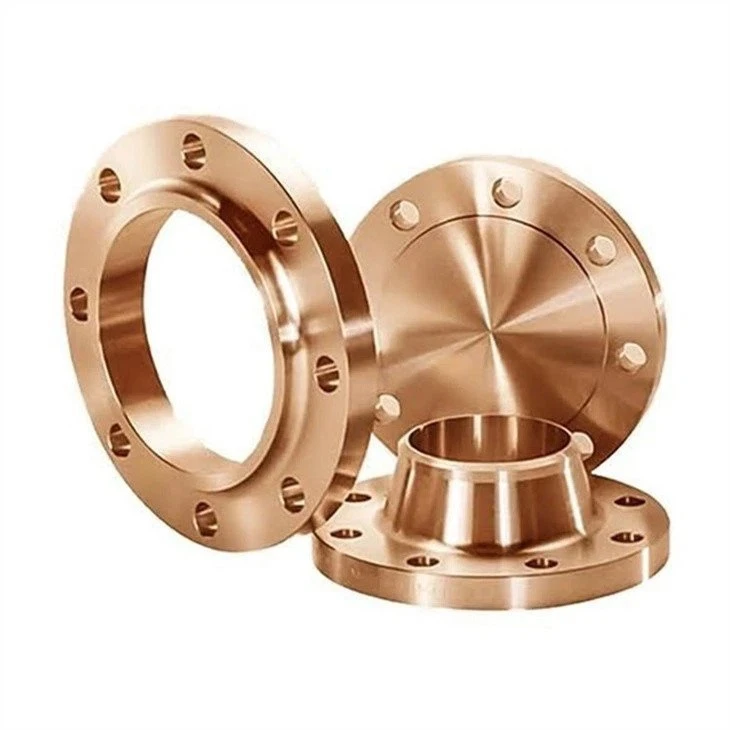
Let's take a real - world example. Suppose you're working on a water - distribution system. The pressure in the pipes is around 80 psi. You'd want to choose a blind flange with a pressure rating that's higher than 80 psi to ensure safety. A Carbon Steel Blind Flange of the appropriate size and design would probably be a good choice here.
As a supplier, I've seen many customers make the mistake of not paying enough attention to the pressure rating. Some just go for the cheapest option without considering the actual pressure requirements of their system. This can lead to problems down the line, like having to replace the flange sooner than expected or dealing with costly repairs due to leaks.
When you're in the process of selecting a blind flange, it's also a good idea to consider the temperature of the fluid or gas in the system. High temperatures can reduce the strength of the flange material, which in turn affects its pressure - handling ability. So, if you're dealing with a high - temperature application, you might need to choose a flange with a higher pressure rating than you'd normally need at room temperature.
We also offer custom - made blind flanges. If you have a very specific pressure requirement that can't be met by our standard products, we can work with you to design and manufacture a flange that fits your exact needs. Our team of experts will take into account all the factors we've talked about, such as material, size, and design, to ensure that the custom - made flange has the right pressure rating for your application.
In conclusion, understanding the pressure rating of a blind flange is essential for the safe and efficient operation of any piping system. Whether you're in a small - scale industrial project or a large - scale oil refinery, choosing the right blind flange with the appropriate pressure rating is crucial. If you're in the market for blind flanges and need help figuring out the right pressure rating for your application, don't hesitate to reach out. We're here to assist you in making the best choice for your project. Whether it's a Carbon Steel Blind Flange for a simple application or an Alloy Steel Blind Flange for a high - pressure, high - temperature environment, we've got you covered. Let's have a chat and get your project on the right track!
References:
- ASME B16.5 - Pipe Flanges and Flanged Fittings
- ASME B16.47 - Large Diameter Steel Flanges


