


Hey there! I'm a supplier of HFW Steel Pipe, and today I wanna chat about the quality requirements for the raw materials of HFW Steel Pipe.
First off, let's understand what HFW Steel Pipe is. High Frequency Welded (HFW) Steel Pipe is widely used in various industries like construction, oil and gas, and machinery. The quality of the raw materials used to make these pipes is super crucial as it directly impacts the performance and durability of the final product.
Chemical Composition
One of the most important aspects of raw materials for HFW Steel Pipe is their chemical composition. The steel should have the right balance of elements to ensure proper strength, ductility, and corrosion resistance. For instance, carbon is a key element that affects the hardness and strength of the steel. But too much carbon can make the steel brittle. So, the carbon content usually needs to be within a specific range, typically around 0.1% - 0.3%.
Manganese is another important element. It helps improve the strength and toughness of the steel. It also plays a role in reducing the harmful effects of sulfur. Sulfur, on the other hand, is an element that we need to keep in check. High sulfur content can lead to hot shortness in the steel, which means the steel becomes brittle at high temperatures. So, the sulfur content is usually limited to a very low level, often less than 0.05%.
Phosphorus is also a concern. It can increase the strength of the steel, but it can also make the steel brittle, especially at low temperatures. So, similar to sulfur, the phosphorus content is usually restricted to a low level, around 0.04% or less.
Physical Properties
The physical properties of the raw materials are also vital. The raw steel should have good formability. This is because during the HFW process, the steel needs to be formed into a tubular shape. If the steel is too hard or lacks ductility, it may crack or break during the forming process.
The raw materials should also have consistent thickness and width. Any significant variations in these dimensions can lead to problems during the welding process and may result in uneven welds or pipes with inconsistent wall thickness.
Surface Quality
The surface quality of the raw materials is a big deal. The steel should be free from any major defects such as cracks, scratches, or rust. Cracks on the surface can propagate during the welding or subsequent use of the pipe, leading to failures. Scratches can also act as stress concentration points, which can reduce the strength of the pipe.
Rust on the surface is not only an aesthetic issue but can also affect the welding quality. Rust contains iron oxide, which can interfere with the welding process and result in poor weld quality. So, the raw materials are usually inspected carefully for surface defects before they are used in the production of HFW Steel Pipe.
Metallurgical Structure
The metallurgical structure of the raw materials is important for the overall performance of the HFW Steel Pipe. The steel should have a uniform and fine-grained structure. A fine-grained structure generally provides better strength, toughness, and corrosion resistance compared to a coarse-grained structure.
Heat treatment is often used to control the metallurgical structure of the raw materials. Proper heat treatment can refine the grain size and improve the mechanical properties of the steel.
Certification and Standards
When sourcing raw materials for HFW Steel Pipe, it's essential to ensure that they meet relevant industry standards. For example, the ASTM A53 Steel Pipe DN500 is a well - known standard in the industry. This standard specifies the requirements for steel pipes, including the chemical composition, mechanical properties, and testing methods.
By using raw materials that meet these standards, we can ensure that our HFW Steel Pipes are of high quality and can be used safely in various applications. We also keep a Spot Inventory Of American Standard Steel Pipe High Frequency Welded Pipe, which allows us to quickly meet the needs of our customers.
Impact on Final Product
The quality of the raw materials directly impacts the quality of the final HFW Steel Pipe. High - quality raw materials result in pipes with better strength, corrosion resistance, and weldability. For example, a pipe made from raw materials with the right chemical composition and physical properties is less likely to fail under pressure or in corrosive environments.
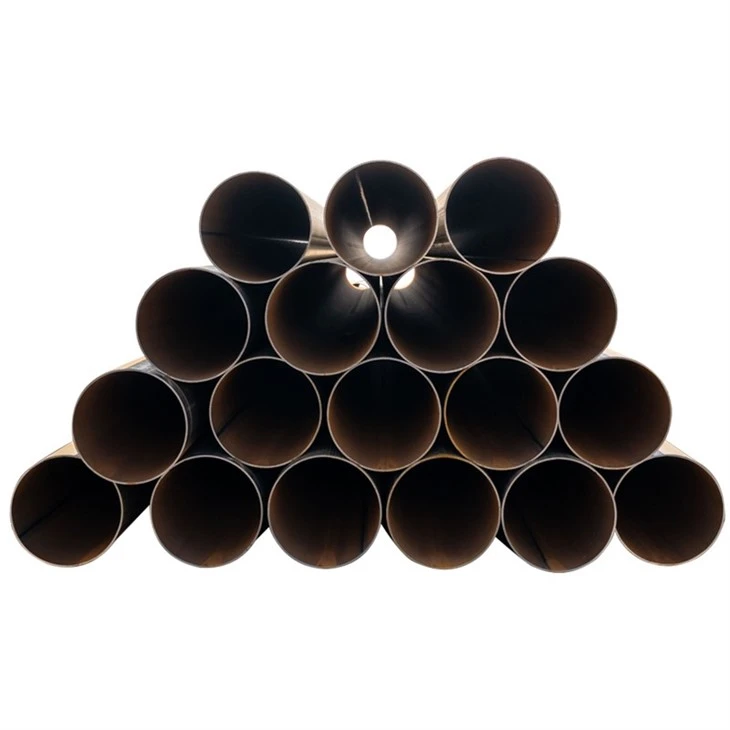
In the oil and gas industry, for instance, 610 Straight Seam Steel Pipe Petroleum Pipeline Steel is often used. If the raw materials used to make these pipes do not meet the required quality standards, it can lead to leaks or failures in the pipeline, which can have serious environmental and economic consequences.

Quality Control in Sourcing
As a HFW Steel Pipe supplier, we have a strict quality control process when sourcing raw materials. We work closely with our suppliers to ensure that they provide us with materials that meet our quality requirements. We conduct regular inspections and tests on the raw materials, including chemical analysis, mechanical testing, and surface inspection.
We also require our suppliers to provide certificates of conformity, which confirm that the raw materials meet the relevant standards. This helps us maintain the quality of our HFW Steel Pipes and build trust with our customers.
Wrapping Up
In conclusion, the quality requirements for the raw materials of HFW Steel Pipe are quite strict. From chemical composition and physical properties to surface quality and metallurgical structure, every aspect plays a crucial role in ensuring the performance and durability of the final product.
If you're in the market for high - quality HFW Steel Pipe, we're here to help. We have a wide range of products that are made from top - notch raw materials and meet the highest industry standards. Whether you need pipes for construction, oil and gas, or any other application, feel free to reach out for a chat about your procurement needs. We're always happy to discuss how we can meet your specific requirements.
References
- ASTM International standards for steel pipes
- Technical literature on steel manufacturing and pipe production


