


Hey there! As a supplier of blind flanges, I often get asked about the gasket materials used with them. So, I thought I'd write this blog to share some insights on this topic.
First off, let's understand what blind flanges are. Blind flanges are used to seal the end of a pipe, valve, or vessel. They're a crucial part of many piping systems, and choosing the right gasket material is super important for a leak - free and long - lasting connection.
Rubber Gaskets
Rubber is one of the most commonly used gasket materials with blind flanges. It's popular because it's flexible, easy to install, and relatively inexpensive.
Nitrile Rubber (NBR)
Nitrile rubber gaskets are great for applications where there's contact with oil, fuel, and other petroleum - based products. They have good resistance to abrasion and can handle a wide range of temperatures, usually from - 40°F to 250°F (- 40°C to 121°C). If you're dealing with a piping system in an automotive or oil refinery setting, NBR gaskets could be a solid choice.
EPDM Rubber
EPDM (Ethylene Propylene Diene Monomer) rubber gaskets are known for their excellent resistance to weather, ozone, and UV rays. They're also resistant to many chemicals, such as acids and alkalis. EPDM gaskets can operate in a temperature range of - 60°F to 300°F (- 51°C to 149°C). These are often used in outdoor applications, like water treatment plants or HVAC systems.
Compressed Fiber Gaskets
Compressed fiber gaskets are made from a combination of fibers, binders, and fillers. They're cost - effective and can be used in a variety of applications.
Non - Asbestos Fiber
In the past, asbestos was commonly used in compressed fiber gaskets. But due to its health risks, non - asbestos alternatives have become the norm. Non - asbestos fiber gaskets are made from materials like aramid, cellulose, and synthetic fibers. They can handle moderate pressures and temperatures and are suitable for general industrial applications, such as in chemical processing plants.
PTFE Gaskets
PTFE (Polytetrafluoroethylene) gaskets are highly resistant to chemicals. They can withstand almost all chemicals, including strong acids and bases. PTFE gaskets also have a very low coefficient of friction, which means they're less likely to stick to the flange surfaces.
They can operate in a wide temperature range, from - 328°F to 500°F (- 200°C to 260°C). However, they're relatively soft, so they need to be installed with proper care to avoid damage. PTFE gaskets are often used in the pharmaceutical and food industries, where chemical resistance and cleanliness are crucial.
Metal Gaskets
Metal gaskets are used in high - pressure and high - temperature applications.
Spiral Wound Gaskets
Spiral wound gaskets are made by winding a metal strip and a filler material, such as graphite or PTFE, together. They offer excellent sealing performance under high pressures and temperatures. The metal provides strength, while the filler material ensures a good seal. Spiral wound gaskets can be used in applications like steam systems and high - pressure pipelines.
Ring Joint Gaskets
Ring joint gaskets are typically made of metal, such as stainless steel or alloy steel. They're used in high - pressure and high - temperature applications, especially in the oil and gas industry. Ring joint gaskets are designed to fit into a grooved flange, and they form a tight seal when the flanges are bolted together.

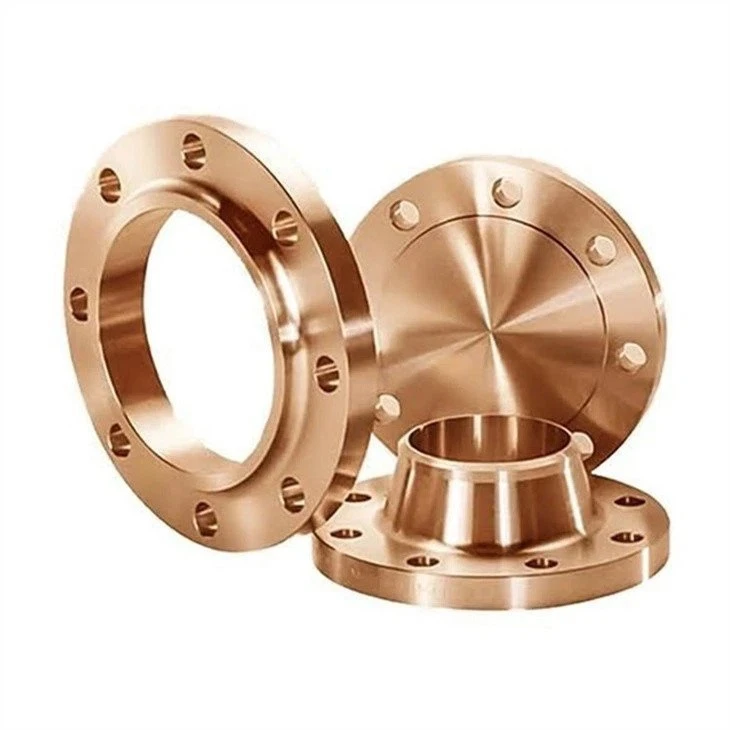
Now, let's talk about how these gasket materials relate to the different types of blind flanges we offer. We have Alloy Steel Blind Flange and Alloy Steel Blind Flange, which are known for their strength and resistance to corrosion. For these flanges, in high - pressure and high - temperature applications, metal gaskets like spiral wound or ring joint gaskets are often a great choice. They can withstand the demanding conditions and ensure a reliable seal.
Our Carbon Steel Blind Flange is more commonly used in general industrial applications. For these, rubber gaskets or compressed fiber gaskets can work well, depending on the specific requirements of the piping system. For example, if the application involves contact with water or mild chemicals, EPDM rubber gaskets could be a good option.
When choosing a gasket material for your blind flanges, there are a few factors to consider. First, think about the type of fluid or gas that will be flowing through the piping system. Different fluids have different chemical properties, and you need a gasket material that can resist them. Second, consider the temperature and pressure of the system. High - pressure and high - temperature applications require more robust gasket materials. Also, think about the installation process. Some gasket materials are easier to install than others, and this can affect the overall cost and time of the project.
In conclusion, the choice of gasket material for blind flanges is crucial for the proper functioning of a piping system. As a blind flange supplier, we're here to help you make the right decision. Whether you need Alloy Steel Blind Flange or Carbon Steel Blind Flange, and the perfect gasket to go with it, we've got you covered.
If you're interested in purchasing blind flanges or need more information about gasket materials, feel free to reach out to us. We'd be more than happy to discuss your specific needs and help you find the best solutions for your project.
References
- "Piping Handbook" by Cameron W. Murray
- "Handbook of Gaskets and Sealing" by John H. Bickford


