


Hey there! As an ERW Line Pipe supplier, I've seen firsthand how the price of these pipes can fluctuate. There are quite a few factors that come into play, and I'm here to break them down for you.
Raw Material Costs
One of the most significant factors affecting the price of ERW Line Pipe is the cost of raw materials. The primary raw material for ERW pipes is steel. Steel prices are influenced by a variety of factors, including global supply and demand, production costs, and trade policies.
When the demand for steel is high, such as during periods of rapid infrastructure development or economic growth, the price of steel tends to increase. On the other hand, if there is an oversupply of steel in the market, prices may drop. For example, large - scale construction projects around the world require a huge amount of steel. When multiple countries are simultaneously building new bridges, buildings, and pipelines, the demand for steel soars, driving up its price.
Production costs also play a role. If the cost of mining iron ore (the main ingredient in steel), energy (used in the steel - making process), and labor goes up, steel producers will pass on these increased costs to the buyers of steel products like ERW Line Pipe. Trade policies, such as tariffs and import/export restrictions, can disrupt the global steel market. A country imposing high tariffs on steel imports can cause a shortage in the domestic market, leading to higher prices for local ERW Line Pipe manufacturers.
Manufacturing Process
The manufacturing process of ERW Line Pipe is another crucial factor. ERW pipes are made by rolling steel strips and then welding them longitudinally. The quality of the welding process can significantly impact the price. High - quality welding requires advanced equipment and skilled labor.
Advanced welding technology ensures a stronger and more reliable weld, which is essential for pipes used in high - pressure applications like oil and gas pipelines. Pipes with better weld quality are less likely to develop leaks or failures, so they command a higher price. For instance, if a pipe is going to be used in an offshore oil field where the pressure is extremely high, the manufacturer needs to use top - notch welding techniques to ensure the pipe's integrity.
Skilled labor is also necessary to operate the manufacturing equipment properly. Workers need to be trained to monitor the welding parameters, such as temperature, speed, and voltage, to ensure consistent quality. The cost of hiring and training these skilled workers is factored into the price of the ERW Line Pipe.
Pipe Specifications
The specifications of the ERW Line Pipe, such as diameter, wall thickness, and length, have a direct impact on the price. Larger - diameter pipes generally cost more than smaller - diameter ones. This is because more raw material is required to produce a larger pipe, and the manufacturing process is more complex.
A thicker wall also means more steel is used, increasing the cost. Pipes with a thicker wall are often used in applications where they need to withstand high pressure or external forces. For example, in a high - pressure water pipeline, a thicker - walled pipe is necessary to prevent bursting.
The length of the pipe can also affect the price. Longer pipes may require special handling and transportation arrangements, which add to the overall cost. Some customers may prefer longer pipes to reduce the number of joints in a pipeline, but they have to pay a premium for this convenience.
Market Demand and Competition
Market demand and competition are two sides of the same coin when it comes to the price of ERW Line Pipe. When the demand for ERW Line Pipe is high, and the supply is limited, prices tend to rise. This can happen when there are large - scale infrastructure projects, such as the construction of a new gas pipeline network or a major industrial plant.
On the other hand, intense competition in the market can drive prices down. There are many ERW Line Pipe suppliers out there, and each one is trying to attract customers. To gain a competitive edge, some suppliers may offer lower prices. However, it's important to note that extremely low prices may sometimes indicate lower - quality products.
For example, if a new supplier enters the market and wants to quickly gain market share, they may offer their ERW Line Pipe at a discounted price. This can force other suppliers to either lower their prices or improve the quality of their products to stay competitive.
Quality and Certification
The quality of the ERW Line Pipe and its certifications are important price determinants. Pipes that meet international standards and have relevant certifications are more expensive. Certifications such as API (American Petroleum Institute) standards are highly regarded in the oil and gas industry.
Pipes with API certification are tested to ensure they meet strict quality and performance requirements. They are suitable for use in critical applications where safety and reliability are of utmost importance. For example, an oil company will only purchase ERW Line Pipe with API certification for its long - distance pipelines because it wants to avoid any potential leaks or failures that could lead to environmental disasters and huge financial losses.
Other certifications like GB T 30063 20113ERW STEEL PIPE also add value to the pipes. These certifications act as a guarantee of quality, so pipes with such certifications can be sold at a higher price.
Transportation and Logistics
Transportation and logistics costs are often overlooked but can have a significant impact on the final price of ERW Line Pipe. The distance between the manufacturing plant and the customer's location is a major factor. If the pipes need to be transported over a long distance, the cost of shipping, whether by truck, train, or ship, will be high.
The mode of transportation also matters. Shipping by sea is generally cheaper for large - volume and long - distance transportation, but it takes longer. On the other hand, trucking is more flexible and faster for shorter distances but can be more expensive per unit.
In addition, handling and storage costs at the ports, warehouses, and distribution centers are also included in the overall price. For example, if the pipes need to be stored in a special climate - controlled warehouse to prevent corrosion before delivery, this will add to the cost.
Customization
Customers often have specific requirements for ERW Line Pipe, and customization can increase the price. Custom - made pipes may have unique dimensions, coatings, or end - fittings. For example, a customer may need pipes with a special anti - corrosion coating for use in a highly corrosive environment like a chemical plant.
Applying a custom coating requires additional materials and processing steps, which increase the manufacturing cost. Similarly, if a customer wants pipes with special end - fittings, such as flanges or threaded ends, the manufacturer needs to use extra materials and labor to produce these custom parts.
Some customers may also require pipes with specific markings or identification for tracking and quality control purposes. All these customizations add value to the pipes but also increase their price.
Market Trends
Market trends can have a short - term or long - term impact on the price of ERW Line Pipe. In the short term, seasonal factors can affect demand and price. For example, the construction industry is more active during the warmer months in many regions. During spring and summer, the demand for ERW Line Pipe for building projects increases, which can lead to a temporary rise in price.
Long - term market trends, such as the shift towards renewable energy, can also influence the price. As the world moves towards more sustainable energy sources like wind and solar, the demand for ERW Line Pipe in the traditional oil and gas industry may decline. This could lead to a decrease in the price of ERW Line Pipe as manufacturers try to find new markets or reduce production.
On the other hand, the growing demand for water and wastewater treatment infrastructure in developing countries is creating new opportunities for the ERW Line Pipe market. As more countries invest in building and upgrading their water supply and sewage systems, the demand for ERW pipes for these applications is increasing, potentially driving up the price.
Availability of Substitutes
The availability of substitutes can affect the price of ERW Line Pipe. There are other types of pipes, such as seamless pipes and Erw Round Pipe, that can be used in some applications instead of ERW Line Pipe.
Seamless pipes are often considered to be of higher quality and are used in applications where extreme reliability is required. However, they are more expensive to produce. If the price of seamless pipes becomes too high, some customers may switch to ERW Line Pipe, increasing its demand and potentially its price.
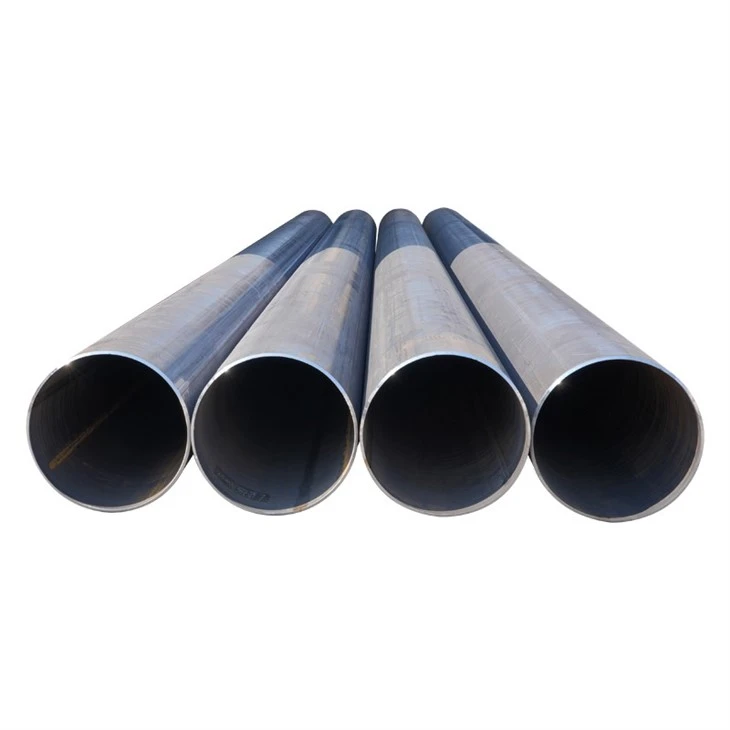

Conversely, if a new type of pipe material or technology emerges that is cheaper and more suitable for certain applications, the demand for ERW Line Pipe may decrease, leading to a price drop. For example, the development of composite pipes made from a combination of plastic and fiber materials may pose a threat to the ERW Line Pipe market in some low - pressure applications.
Industry Standards and Regulations
Industry standards and regulations can also impact the price. Stricter regulations regarding pipe quality, safety, and environmental protection can increase the manufacturing cost. For example, regulations requiring pipes to have a certain level of corrosion resistance or to meet specific emission standards during the manufacturing process can force manufacturers to invest in new equipment and materials.
These additional costs are then passed on to the customers. In some regions, there are regulations regarding the use of certain types of pipes in specific applications. For example, ASTM A106 Carbon Steel Pipe may be required for high - temperature applications. Pipes that meet these standards are more expensive to produce because they need to be made from specific grades of steel and undergo additional testing.
In conclusion, the price of ERW Line Pipe is influenced by a multitude of factors, from raw material costs and manufacturing processes to market demand and industry regulations. As a supplier, I understand the importance of providing high - quality pipes at a competitive price. If you're in the market for ERW Line Pipe and want to discuss your specific requirements, feel free to reach out. We can have a detailed conversation about how these factors apply to your project and find the best solution for you.
References
- "Steel Industry Handbook" - An industry - specific guide that provides in - depth information on steel production, market trends, and pricing.
- "Pipeline Engineering and Construction" - A book that covers various aspects of pipeline design, materials, and installation, including the use of ERW Line Pipe.
- Industry reports from market research firms that track the global steel and pipe market, analyzing factors affecting prices and demand.


