


Hey there! As a supplier of LSAW Line Pipe, I've been getting a lot of questions lately about the biological corrosion prevention requirements for our pipes in water - related applications. So, I thought I'd write this blog to share some insights.

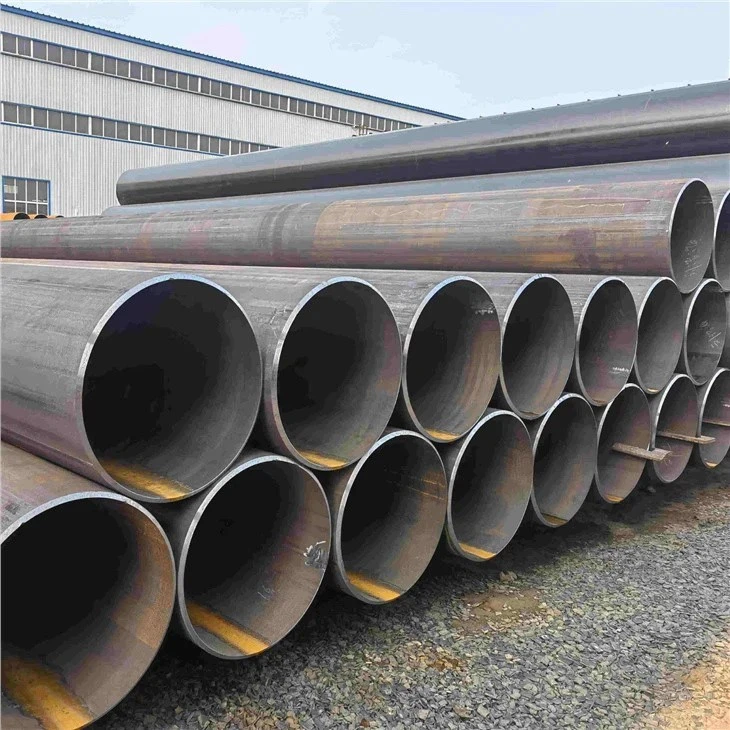
First off, let's understand what biological corrosion is. In water - related environments, there are all sorts of microorganisms like bacteria, fungi, and algae. These little critters can form biofilms on the surface of our LSAW Line Pipes. Once these biofilms are established, they can cause a series of chemical and electrochemical reactions that lead to corrosion of the pipe material.
In some water - related applications, such as water supply systems, sewage treatment plants, and offshore oil and gas platforms where seawater is involved, the risk of biological corrosion is quite high. So, what are the requirements to prevent this kind of corrosion?
Material Selection
The choice of material for LSAW Line Pipe is crucial. We need to pick materials that are resistant to biological attack. Stainless steel is a great option. It has a high chromium content, which forms a passive oxide layer on the surface. This layer acts as a barrier, preventing the microorganisms from directly attacking the metal. For example, in a seawater desalination plant, using stainless - steel LSAW Line Pipe can significantly reduce the risk of biological corrosion. You can learn more about our high - quality pipes at Submerged Arc Welded Steel Pipe.
Another option is to use carbon steel with proper coatings. Carbon steel is widely used due to its cost - effectiveness, but it's more vulnerable to biological corrosion. However, by applying coatings like epoxy or polyethylene, we can protect the steel from the corrosive environment. These coatings create a physical barrier between the pipe and the water, preventing the attachment of microorganisms.
Surface Finish
The surface finish of the LSAW Line Pipe also matters. A smooth surface is less likely to have microorganisms attach to it compared to a rough surface. During the manufacturing process, we make sure to achieve a high - quality surface finish. This not only reduces the initial attachment of microorganisms but also makes it easier to clean the pipes if needed. For instance, in a water treatment plant, pipes with a smooth surface are less likely to accumulate biofilms, which can clog the pipes and reduce the flow efficiency. Our SY/T5040 - 2018 LSAW pipes are manufactured with strict surface finish requirements to meet the anti - corrosion needs.
Design Considerations
Proper design of the piping system can also help prevent biological corrosion. We need to avoid creating stagnant areas in the pipes. Stagnant water provides a perfect environment for microorganisms to grow and multiply. So, we design the pipes with appropriate slopes and flow rates to ensure continuous water flow. For example, in a building's plumbing system, if there are sections of pipes where water can sit still for a long time, it's more likely that biological corrosion will occur. By designing the system to have a consistent flow, we can reduce this risk.
Chemical Treatment
In some cases, chemical treatment of the water is necessary. Adding biocides to the water can kill or inhibit the growth of microorganisms. However, we need to be careful when using biocides. They need to be used in the right concentration. Too little, and they won't be effective; too much, and they can cause environmental problems. For example, in a cooling water system, a small amount of biocide can be added to the water to control the growth of algae and bacteria.
Monitoring and Maintenance
Regular monitoring is essential to detect biological corrosion early. We can use techniques like ultrasonic testing, electrochemical monitoring, and visual inspection. Ultrasonic testing can detect internal corrosion without damaging the pipe. Electrochemical monitoring can measure the corrosion rate in real - time. Visual inspection can help us spot any visible signs of biofilm growth or corrosion on the surface of the pipe.
Once corrosion is detected, we need to take immediate maintenance actions. This may include cleaning the pipes, replacing damaged sections, or reapplying coatings. For example, in an old water distribution system, if we find that a section of the pipe has significant biological corrosion, we can replace that section to prevent further damage.
Case Studies
Let's take a look at a real - world example. In a large sewage treatment plant, they were using LSAW Line Pipes made of carbon steel. At first, they didn't pay much attention to biological corrosion prevention. After a few years, they noticed that the pipes were severely corroded, which led to leaks and reduced the efficiency of the treatment process. They then decided to upgrade their pipes to stainless - steel LSAW Line Pipes and also implemented a regular monitoring and maintenance program. Since then, the corrosion problem has been greatly reduced, and the plant has been running smoothly.
Another example is an offshore oil platform. The seawater used in the platform's cooling system was causing biological corrosion in the pipes. By adding a small amount of biocide to the seawater and using pipes with a high - quality epoxy coating, they were able to control the corrosion and extend the service life of the pipes.
Conclusion
In conclusion, biological corrosion prevention for LSAW Line Pipe in water - related applications requires a comprehensive approach. From material selection, surface finish, design, chemical treatment, to monitoring and maintenance, every step is important. As a supplier of LSAW Line Pipe, we are committed to providing high - quality pipes that meet these anti - corrosion requirements. If you're in the market for LSAW Line Pipe for your water - related projects, whether it's for a water supply system, a sewage treatment plant, or an offshore platform, we're here to help. We can offer you a wide range of products, including Steel Pipe Pile, and provide professional advice on biological corrosion prevention.
If you have any questions or are interested in our products, feel free to reach out to us for a procurement discussion. We're looking forward to working with you to ensure the success of your projects.
References
- Fontana, M. G. (1986). Corrosion Engineering. McGraw - Hill.
- Uhlig, H. H., & Revie, R. W. (1985). Corrosion and Corrosion Control. Wiley - Interscience.
- ASTM International. (2019). Standards related to corrosion testing and prevention. ASTM.


