


As a supplier of ERW (Electric Resistance Welded) steel pipes, ensuring the safe transportation of these products is of utmost importance. ERW steel pipes are widely used in various industries, including oil and gas, construction, and infrastructure. Any damage during transportation can lead to significant losses for both the supplier and the customer. In this blog post, I will share some valuable insights on how to transport ERW steel pipes safely.
Pre - transportation Preparation
Inspection
Before loading the ERW steel pipes for transportation, a thorough inspection is necessary. Check for any visible defects such as cracks, dents, or corrosion on the surface of the pipes. Defective pipes should be separated and either repaired or discarded to prevent further issues during transit. This inspection also includes checking the dimensions of the pipes to ensure they meet the required specifications. Measuring the diameter, wall thickness, and length accurately can help in proper loading and prevent over - stressing during transportation.
Cleaning
Cleaning the ERW steel pipes is an essential step. Remove any dirt, debris, or loose particles from the surface of the pipes. This not only improves the appearance of the pipes but also prevents abrasion and damage during transportation. Cleaning can be done using appropriate cleaning agents and tools, such as brushes or compressed air.
Coating
Applying a protective coating to the ERW steel pipes can safeguard them from corrosion and other environmental factors during transportation. There are different types of coatings available, such as epoxy coatings, zinc coatings, and polyethylene coatings. The choice of coating depends on the specific requirements of the pipes and the transportation environment. For example, if the pipes are to be transported in a humid or corrosive environment, a more durable and corrosion - resistant coating should be used.
Packaging
Proper packaging is crucial for the safe transportation of ERW steel pipes. The pipes can be bundled together using straps or bands to prevent them from shifting during transit. Bundles should be of a reasonable size and weight to ensure easy handling. Additionally, protective materials such as plastic sheeting or wooden blocks can be used to cushion the pipes and prevent them from rubbing against each other or other objects in the transport vehicle.
Loading and Securing
Loading Equipment
Use appropriate loading equipment to handle the ERW steel pipes. Cranes, forklifts, or conveyor belts are commonly used for loading. The equipment should be in good working condition and have the capacity to handle the weight and size of the pipes. When using a crane, ensure that the lifting slings or hooks are properly attached to the pipes to prevent them from falling during loading.
Loading Pattern
The loading pattern of the ERW steel pipes in the transport vehicle is important. The pipes should be loaded in a stable and balanced manner to prevent them from toppling over. For example, when loading pipes in a truck, they can be arranged in layers with wooden spacers between each layer to provide stability. Avoid overloading the vehicle, as this can affect its handling and increase the risk of accidents.
Securing the Pipes
Once the pipes are loaded, they need to be securely fastened to the transport vehicle. Straps, chains, or ropes can be used to tie down the pipes. Make sure that the securing materials are strong enough to withstand the forces exerted during transportation, such as acceleration, deceleration, and turning. The pipes should be secured at multiple points to prevent them from moving or shifting.
Transportation Mode Selection
Road Transport
Road transport is a common method for transporting ERW steel pipes. It offers flexibility in terms of delivery locations and can be suitable for short - to medium - distance transportation. When choosing road transport, select a reliable carrier with experience in transporting steel pipes. The carrier should have well - maintained trucks and drivers who are trained in handling heavy and long loads.
Rail Transport
Rail transport is an efficient option for transporting large quantities of ERW steel pipes over long distances. It is generally more stable and less prone to traffic - related delays compared to road transport. However, special care should be taken during loading and unloading at the rail terminals. Ensure that the railcars are properly equipped to handle the pipes and that the loading and unloading operations are carried out safely.
Sea Transport
For international or long - distance transportation, sea transport can be a cost - effective choice. When transporting ERW steel pipes by sea, the pipes are usually loaded into containers or on deck. If loaded in containers, make sure the containers are in good condition and properly sealed to protect the pipes from moisture and seawater. On - deck loading requires additional securing measures to withstand the rough sea conditions.
Monitoring During Transportation
Temperature and Humidity
Monitoring the temperature and humidity inside the transport vehicle or container is important, especially for coated or sensitive ERW steel pipes. Extreme temperatures and high humidity can cause damage to the pipes, such as coating delamination or corrosion. Use temperature and humidity sensors to keep track of these parameters and take appropriate measures if they exceed the acceptable range.
Vibration and Shock
Vibration and shock during transportation can also cause damage to the ERW steel pipes. Install vibration sensors to monitor the level of vibration. If excessive vibration is detected, adjust the securing methods or the speed of the transport vehicle to reduce the impact.
Unloading and Delivery
Unloading Process
The unloading process should be carried out carefully to avoid damage to the ERW steel pipes. Use the same or similar loading equipment for unloading. Follow the reverse order of loading to ensure that the pipes are unloaded in a stable and safe manner.
Final Inspection
After unloading, conduct a final inspection of the ERW steel pipes to check for any damage that may have occurred during transportation. If any damage is found, document it and inform the relevant parties immediately.
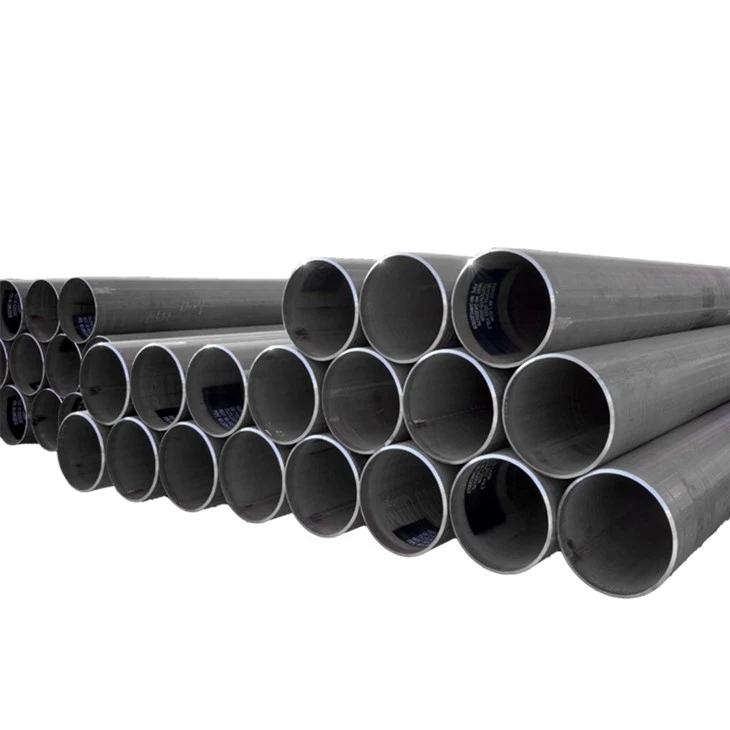
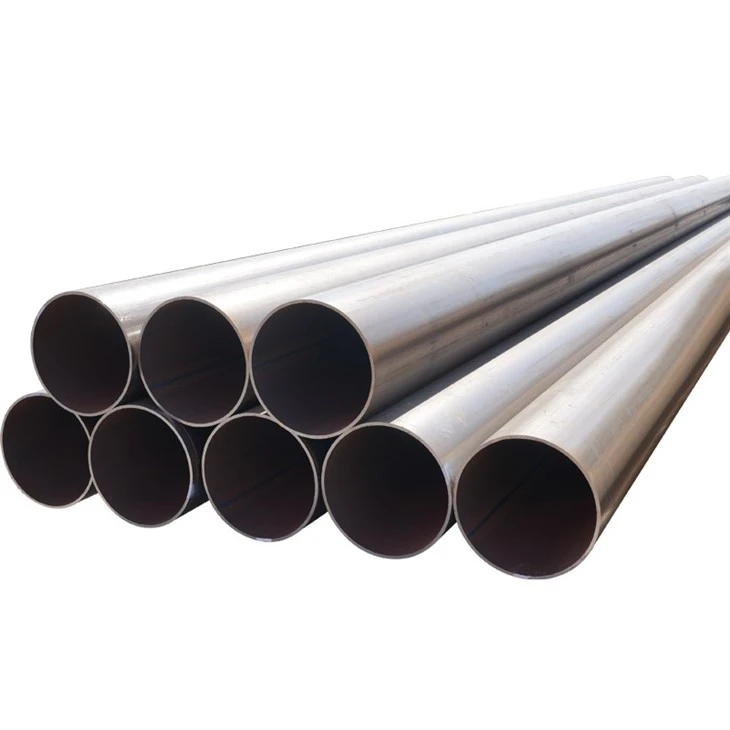
In conclusion, transporting ERW steel pipes safely requires careful planning and execution at every stage, from pre - transportation preparation to unloading and delivery. By following these guidelines, we can minimize the risk of damage and ensure that our customers receive high - quality ERW steel pipes.
If you are interested in purchasing ERW steel pipes, such as Ibr Pipes, API 5L A53 Steel Pipe Buyer, or API 5L Steel Pipe, please feel free to contact us for more information and to start a procurement negotiation.
References
- "Steel Pipe Handbook" - A comprehensive guide on steel pipe manufacturing, properties, and applications.
- Industry standards and regulations related to the transportation of steel pipes, such as ISO and ASTM standards.


