


Can I use an AC plug for a DC device? This is a common question that many people encounter when dealing with electrical devices. As a plug supplier, I've come across numerous clients with this query. In this blog post, I'll delve into the technicalities behind alternating current (AC) and direct current (DC), explore whether it's possible to use an AC plug for a DC device, and discuss the potential risks and considerations involved.
Understanding AC and DC
Before we dive into the central question, it's essential to understand the fundamental differences between AC and DC. Alternating current (AC) is the type of electricity that is commonly supplied to homes and businesses. In an AC circuit, the flow of electric charge periodically reverses direction. This back - and - forth movement allows for efficient transmission of electrical power over long distances, which is why it's the standard for power grids.
On the other hand, direct current (DC) is a unidirectional flow of electric charge. Batteries, solar panels, and most electronic devices like smartphones, laptops, and tablets operate on DC. DC provides a constant voltage and current, which is crucial for the proper functioning of sensitive electronic components.
Can I Use an AC Plug for a DC Device?
In a very literal sense, you might be able to physically insert a DC device into an AC plug socket. However, this is extremely dangerous and almost never advisable. The main issues boil down to voltage and current characteristics.
Voltage Mismatch
AC power supplies typically have a sinusoidal voltage waveform. For example, in many countries, the standard household AC voltage is around 110 - 120V (in the US) or 220 - 240V (in Europe). This voltage constantly varies in magnitude and direction.
DC devices, conversely, are designed to work with a specific fixed voltage. For instance, a small DC motor might be rated for 12V DC. If you connect this 12V DC motor directly to an AC power source via an AC plug, the fluctuating and often much higher AC voltage can cause severe damage to the device. The motor may overheat, burn out its windings, or even pose a fire hazard.
Current Characteristics
The way current behaves in AC and DC circuits is also different. AC current alternates in direction, while DC current flows steadily in one direction. Many DC devices have components like diodes, transistors, and integrated circuits that are sensitive to the direction of current flow. Connecting a DC device to an AC power source can disrupt the proper functioning of these components, leading to malfunction or permanent damage.
Exceptions and Special Cases
There are some cases where AC power can be used to power DC devices, but it requires additional components. A power adapter is a common solution. A power adapter takes in AC power from the wall socket and converts it into DC power at the appropriate voltage and current levels for the device. For example, your smartphone charger is a type of power adapter. It takes in 110 - 240V AC from the wall and outputs 5V or 9V DC to charge your phone.
Risks of Incorrect Use
Using an AC plug directly for a DC device without proper conversion can lead to several risks:
Device Damage
As mentioned earlier, the voltage and current differences can cause immediate or long - term damage to the device. Components may burn out, and the device may become completely inoperable.
Fire Hazard
Overheating due to incorrect voltage and current can create a fire hazard. The excessive heat can melt insulation, damage wiring, and potentially start a fire.
Electrical Shock
Incorrectly connecting DC devices to AC power sources can also pose an electrical shock risk to users. The exposed wires or malfunctioning components can carry dangerous levels of electricity.
Types of Plugs We Supply
At our company, we supply a wide range of high - quality plugs tailored to different needs. Whether you are looking for plugs for AC or DC applications, we have the solution.
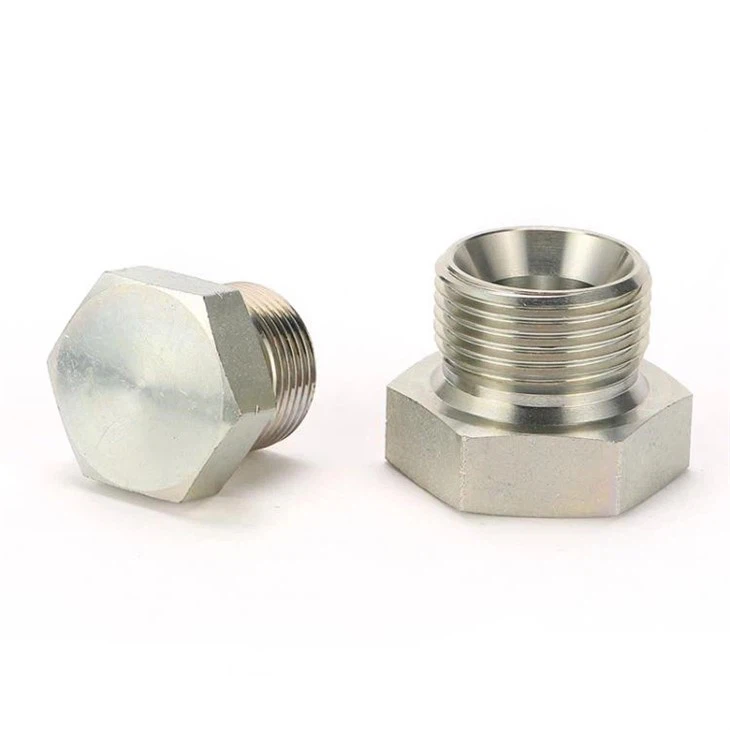
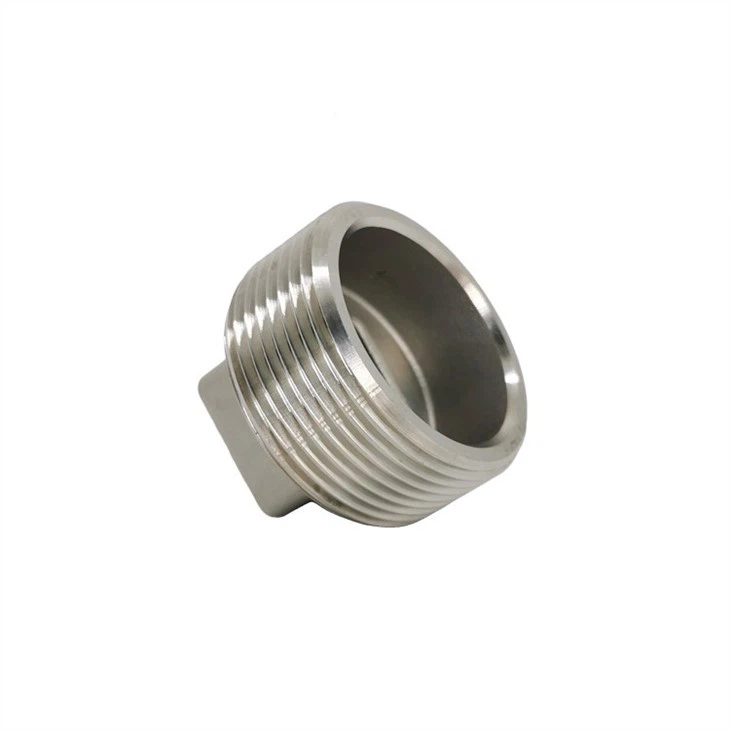
One of our popular products is the Plug Square Head. This plug is known for its durability and robust design. It is suitable for various industrial and electrical applications and can be used in both AC and DC setups when paired with the appropriate devices or adapters.
For those in need of specific size plugs, our 1 Inch BSP Plug is a great choice. It adheres to the British Standard Pipe (BSP) threading, which is widely used in plumbing and electrical installations.
We also offer Male Thread Plug. These plugs are designed with male threads, making them easy to install and secure in various sockets and fittings. They are available in different materials and sizes to meet diverse customer requirements.
Making the Right Choice
When it comes to plugs and power sources, it's crucial to make informed decisions. Always check the voltage and current requirements of your device before connecting it to a power source. If you need to use an AC power source for a DC device, make sure to use a proper power adapter.
If you are unsure about which plug to use or whether a particular plug is suitable for your device, don't hesitate to reach out to us. Our team of experts is always ready to assist you in finding the right plug for your specific application.
Conclusion
In conclusion, while it might seem possible to use an AC plug for a DC device physically, it's generally not safe or advisable without proper conversion. The differences in voltage and current characteristics between AC and DC can cause significant damage to the device and pose safety risks.
At our plug - supplying company, we can provide you with the right plugs for your AC or DC applications. Whether you are a professional electrician, an industrial contractor, or a DIY enthusiast, we have the solutions to meet your needs. If you are interested in purchasing our plugs or have any questions about our products, please contact us for a procurement discussion. We are committed to providing high - quality products and excellent customer service.
References
- Boylestad, R. L., & Nashelsky, L. (2009). Electronic Devices and Circuit Theory. Pearson Prentice Hall.
- Halliday, D., Resnick, R., & Walker, J. (2013). Fundamentals of Physics. John Wiley & Sons.
- NEC (National Electrical Code), latest edition. NFPA (National Fire Protection Association).


