


As a supplier of anchor flanges, I often receive inquiries from customers regarding the suitability of our products for high - temperature applications. This is a crucial question, as the performance of anchor flanges under high - temperature conditions can significantly impact the safety and efficiency of various industrial systems. In this blog post, I will delve into the factors that determine whether an anchor flange can be used in high - temperature environments, the types of anchor flanges that are more suitable for such conditions, and the precautions that need to be taken.
Factors Affecting the Use of Anchor Flanges in High - Temperature Applications
Material Properties
The material of the anchor flange is the primary factor influencing its performance in high - temperature applications. Different materials have different melting points, thermal expansion coefficients, and mechanical properties at elevated temperatures. For example, carbon steel is a commonly used material for anchor flanges. However, at high temperatures, carbon steel may experience a decrease in strength and an increase in ductility, which can lead to deformation and failure of the flange.
Stainless steel, on the other hand, has better high - temperature resistance due to its alloying elements such as chromium and nickel. These elements form a protective oxide layer on the surface of the steel, which prevents further oxidation and corrosion at high temperatures. In addition, some high - nickel alloys, such as Inconel and Hastelloy, are specifically designed for high - temperature applications. They have excellent mechanical properties and corrosion resistance even at extremely high temperatures.
Design and Manufacturing
The design and manufacturing process of the anchor flange also play an important role in its high - temperature performance. A well - designed flange should have a proper thickness and shape to withstand the thermal stress generated at high temperatures. The manufacturing process, including forging, machining, and heat treatment, can also affect the microstructure and mechanical properties of the flange. For example, proper heat treatment can improve the hardness and strength of the flange, making it more resistant to high - temperature deformation.
Sealing Performance
In high - temperature applications, the sealing performance of the anchor flange is crucial. The gasket used between the flanges needs to be able to maintain its sealing properties at high temperatures. Traditional gaskets, such as rubber gaskets, may not be suitable for high - temperature applications as they can degrade and lose their elasticity. Instead, materials like graphite, ceramic fiber, and metal - jacketed gaskets are more commonly used in high - temperature environments. These gaskets can withstand high temperatures and provide reliable sealing.
Types of Anchor Flanges Suitable for High - Temperature Applications
Anchor Hydraulic Flanges
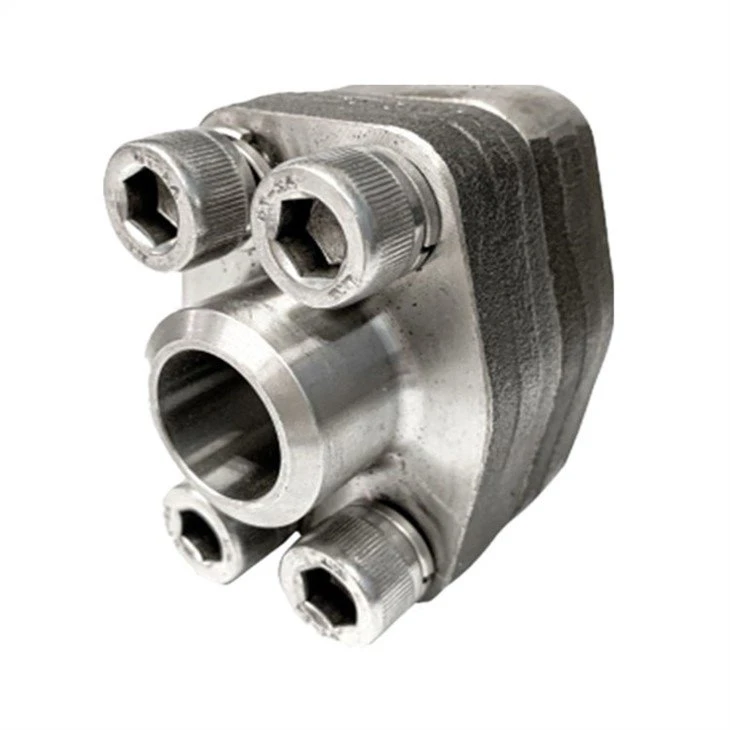
Anchor Hydraulic Flanges are designed for use in hydraulic systems. In high - temperature hydraulic applications, such as those in power plants or industrial furnaces, these flanges need to be able to withstand both high pressures and high temperatures. Hydraulic anchor flanges made of high - temperature - resistant materials, such as stainless steel or high - nickel alloys, can provide reliable performance in such environments. They are often used to connect pipes and components in hydraulic systems, ensuring the proper flow and control of hydraulic fluids.
Pipe Anchor Flanges
Pipe Anchor Flanges are used to secure pipes in place and prevent movement due to thermal expansion or other forces. In high - temperature pipe systems, such as those in chemical plants or refineries, pipe anchor flanges need to be able to withstand the thermal stress generated by the expansion and contraction of the pipes. Pipe anchor flanges made of materials with low thermal expansion coefficients, such as some special stainless steel alloys, can help to reduce the stress on the pipes and prevent damage.
Flange Anchor
Flange Anchor is another type of anchor flange that can be used in high - temperature applications. Flange anchors are often used to connect flanges to structures or equipment. In high - temperature environments, flange anchors need to have good mechanical properties and corrosion resistance. High - strength and high - temperature - resistant materials are typically used for flange anchors to ensure their long - term performance.
Precautions for Using Anchor Flanges in High - Temperature Applications
Temperature Monitoring
It is essential to monitor the temperature of the anchor flanges in high - temperature applications. This can be done using temperature sensors installed near the flanges. By monitoring the temperature, operators can detect any abnormal temperature increases, which may indicate potential problems such as overheating or improper installation. If the temperature exceeds the recommended range for the flange material, appropriate measures should be taken, such as reducing the operating temperature or replacing the flange.
Regular Inspection
Regular inspection of the anchor flanges is necessary to ensure their continued performance in high - temperature applications. Inspections should include checking for signs of deformation, cracking, corrosion, and gasket leakage. Any damaged or worn - out components should be replaced immediately to prevent failures. In addition, the tightness of the bolts should be checked regularly, as thermal expansion and contraction can cause the bolts to loosen over time.

Proper Installation
Proper installation of the anchor flanges is crucial for their performance in high - temperature applications. The flanges should be installed according to the manufacturer's instructions, including the correct torque for the bolts and the proper alignment of the flanges. Incorrect installation can lead to uneven stress distribution, which can cause premature failure of the flanges.
Conclusion
In conclusion, anchor flanges can be used in high - temperature applications, but several factors need to be considered. The choice of material, design, manufacturing process, and sealing performance are all important for ensuring the reliable performance of anchor flanges at high temperatures. Different types of anchor flanges, such as Anchor Hydraulic Flanges, Pipe Anchor Flanges, and Flange Anchor, can be selected based on the specific requirements of the application. By taking appropriate precautions, such as temperature monitoring, regular inspection, and proper installation, the risk of failure can be minimized.
If you are looking for high - quality anchor flanges for your high - temperature applications, please feel free to contact us. Our team of experts can provide you with professional advice and solutions to meet your specific needs. We are committed to providing reliable products and excellent service to our customers.
References
- ASME Boiler and Pressure Vessel Code, Section VIII, Division 1.
- API 650 - Welded Steel Tanks for Oil Storage.
- ASTM Standards for Flanges and Related Components.


