


Why Is Anti-Corrosion Pipe Selection Critical for Project Success?
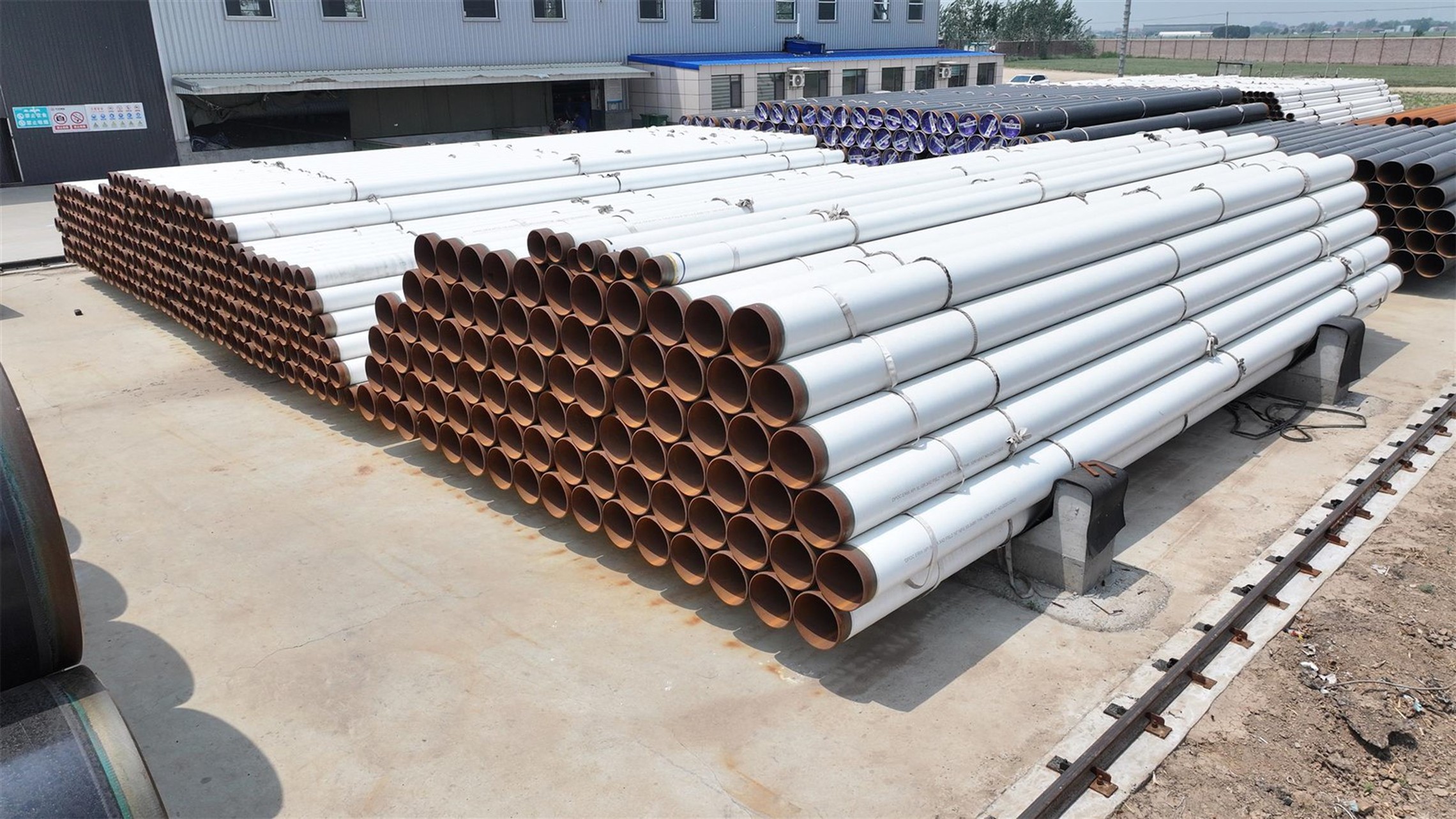
Steel pipelines serve as the fundamental infrastructure for industrial production, municipal water supply, oil and gas transportation, and marine engineering projects. As the core medium conveying carrier, the stability of steel pipes directly determines the overall operational efficiency and safety of a project. Carbon steel, the most widely used pipe base material, is inherently prone to electrochemical corrosion when exposed to humid soil, saline water, acidic and alkaline media, and outdoor atmospheric environments. Corrosion damage is regarded as the leading cause of pipeline failure worldwide. In engineering practice, the scientific selection of anti-corrosion steel pipes is often overlooked by construction teams that prioritize short-term costs. However, inappropriate anti-corrosion pipe configuration will trigger a series of hidden risks throughout the project lifecycle. This article explores why anti-corrosion pipe selection is decisive for project success, analyzing its impacts on operational safety, service life, economic benefits, and long-term project value with question-based subheadings.
What Makes Pipeline Corrosion a Major Threat to Engineering Projects?
Pipeline corrosion is an irreversible chemical and electrochemical reaction that gradually erodes the steel pipe's base material, and its hazards are progressive and destructive. Unlike sudden mechanical damage, corrosion starts from tiny surface oxidation, slowly thinning the pipe wall, forming pitting holes, and eventually causing structural failure. For most piping projects, corrosion is the primary factor shortening pipeline service life and triggering system malfunctions.
In low-corrosion environments such as conventional urban water supply systems, unprotected carbon steel pipes will develop obvious rust and wall thinning within three to five years. In harsh working conditions, including chemical wastewater transportation, marine salt fog environments, and sulfur-containing oil and gas pipelines, ordinary steel pipes may suffer local leakage or pipe burst in less than two years. Corrosion does not merely damage the pipes themselves; it also contaminates conveying media, blocks pipelines with rust deposits, and increases fluid transmission resistance, severely reducing the operational efficiency of the entire piping system.
Industry statistical data shows that more than 35% of global pipeline maintenance and reconstruction costs each year stem from corrosion-related failures. This fully proves that pipeline corrosion is not a minor quality defect, but a core threat restricting the stable operation of engineering projects.
How Does Incorrect Anti-Corrosion Pipe Selection Endanger Project Safety?
Safety is the primary benchmark for project success, and improper anti-corrosion pipe selection poses direct and severe threats to project operational safety. Each type of anti-corrosion steel pipe has a fixed applicable working condition range in terms of temperature, pressure, medium acidity and alkalinity, and laying environment. Mismatched selection will cause the anti-corrosion coating or lining layer to fail in advance, losing its protective effect on the steel base.
For high-pressure oil and gas transmission projects, replacing high-standard 3PE anti-corrosion pipes with ordinary epoxy coal tar pitch pipes will lead to coating peeling under long-term soil pressure and mechanical extrusion. Exposed steel pipes will rapidly corrode, forming hidden leakage points. Once flammable and explosive oil and gas leak, it may trigger fire and explosion accidents, causing casualties and massive property losses. In chemical engineering projects, using non-corrosion-resistant pipes to transport strong acid and alkali media will result in rapid lining corrosion and penetration, leading to chemical leakage, environmental pollution, and equipment corrosion damage.
In municipal water supply projects, unqualified anti-corrosion pipes will produce rust impurities, causing water quality deterioration and failing to meet drinking water safety standards, which brings potential health risks to residents and triggers public safety incidents. It is clear that unscientific anti-corrosion pipe selection will directly destroy the project's safety bottom line and lead to project failure.
How Does Proper Selection Extend Project Service Life and Ensure Long-Term Stability?
The service life of engineering infrastructure is a core indicator of project success, and reasonable anti-corrosion pipe selection is the key to guaranteeing long-term and stable project operation. Engineering projects are permanent or semi-permanent infrastructure with design service lives ranging from 20 to 50 years. Only matched anti-corrosion protection can ensure that the pipeline system maintains complete structural performance during the full lifecycle.
High-quality anti-corrosion steel pipes selected according to actual working conditions can effectively isolate the steel base from external corrosive media. For example, 3PE buried anti-corrosion pipes used for long-distance oil and gas pipelines have stable chemical inertness and mechanical protection performance, resisting soil corrosion, ultraviolet aging, and external impact damage, with a stable service life of more than 30 years. Epoxy lined anti-corrosion pipes applied in drinking water projects can maintain smooth inner walls and anti-corrosion performance for decades, avoiding pipeline scaling, blockage, and medium contamination.
In contrast, random selection of low-grade anti-corrosion pipes will lead to early failure of the anti-corrosion layer. The pipeline will enter frequent maintenance and replacement cycles within a few years, failing to meet the design life requirements. This not only disrupts the long-term operational plan of the project but also makes it difficult for the project to achieve its intended functional goals, resulting in hidden failures in project quality assessment.
What Economic Losses Will Poor Anti-Corrosion Selection Bring to Projects?
Many project developers mistakenly believe that choosing low-cost ordinary pipes can save initial investment, but unreasonable anti-corrosion pipe selection will trigger higher long-term economic losses and reduce the overall project return on investment. The economic impacts are mainly reflected in three aspects: maintenance costs, shutdown losses, and reconstruction costs.
First, premature corrosion failure of pipelines requires frequent inspection, maintenance, and partial replacement. The labor, material, and equipment costs of daily maintenance far exceed the price difference of high-quality anti-corrosion pipes in the initial stage. Second, pipeline leakage and blockage caused by corrosion will force the project to stop operation. For industrial production pipelines and urban water supply and drainage systems, each shutdown will cause huge economic losses and social impacts. Third, large-area corrosion damage means overall pipeline reconstruction, which requires repeated investment in materials, construction, and commissioning, resulting in serious waste of project resources.
Scientific anti-corrosion pipe selection increases the initial construction cost slightly but eliminates frequent maintenance and reconstruction expenses. It significantly improves the long-term economic benefits of the project, which is an indispensable part of project cost control and profit optimization.
How Does Standardized Anti-Corrosion Selection Improve Project Compliance and Reputation?
Successful engineering projects not only require safe and stable operation but also need to meet national industry standards and obtain qualified acceptance results. Pipeline anti-corrosion design and material selection are key inspection items in project acceptance. Standardized anti-corrosion pipe selection ensures that the project complies with ISO and national GB/T specifications, helping the project pass quality inspection smoothly.
In addition, high-quality anti-corrosion pipeline operation effects can effectively improve the project's operational reputation. For municipal and public infrastructure projects, stable water quality and unobstructed pipeline operation improve public satisfaction. For industrial and petrochemical projects, zero-leakage and long-cycle stable operation reflect the professionalism of project construction, laying a foundation for subsequent project cooperation and brand building.
Conclusion
In summary, anti-corrosion pipe selection is not a trivial material selection link, but a key factor determining the overall success of an engineering project. It is closely related to project operational safety, service life, economic benefits, quality compliance, and long-term operational value. Correct anti-corrosion pipe selection can avoid safety accidents, extend project service life, reduce comprehensive costs, and ensure standardized project operation. Conversely, casual and unscientific selection will bring hidden safety hazards, frequent failures, and excessive economic losses. Therefore, engineering practitioners must fully evaluate project working conditions, medium characteristics, and environmental factors to select the most suitable anti-corrosion steel pipes, so as to lay a solid foundation for the safe, stable, and long-term successful operation of the entire project.


