


Why Do Anti-Corrosion Steel Pipes Require Specialized Storage Standards?
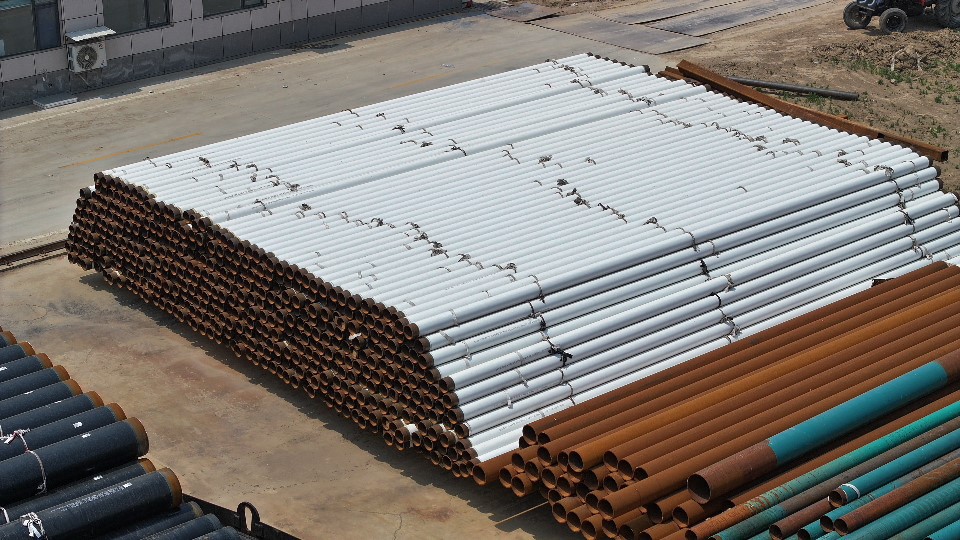
Anti-corrosion steel pipes are essential infrastructure materials widely used in oil and gas transmission, municipal water supply, chemical engineering, and sewage treatment projects. Different from ordinary bare carbon steel pipes, these products rely on external coatings, internal linings, or galvanized protective layers to isolate corrosive media and achieve long-term anti-rust and anti-corrosion effects. In actual engineering management, many construction teams focus only on pipe selection, welding quality, and on-site installation, while ignoring standardized storage specifications. In fact, unregulated stacking and improper environmental protection during the storage stage are the main causes of premature coating failure, surface damage, and secondary corrosion. This article analyzes the necessity of specialized storage standards for anti-corrosion steel pipes with question-based subheadings, explaining how standardized storage guarantees pipeline quality and project reliability.
What Structural Characteristics Make Anti-Corrosion Pipes Storage-Sensitive?
The core reason for requiring specialized storage lies in the unique structural characteristics of anti-corrosion steel pipes. Ordinary steel pipes have a single metal structure with high surface hardness and strong resistance to friction, extrusion, and environmental erosion. In contrast, anti-corrosion steel pipes are composite materials composed of a carbon steel base and a surface protective layer. Common protective structures include 3PE polyethylene coatings, epoxy resin linings, coal tar pitch layers, and hot-dip galvanized zinc layers.
These anti-corrosion coatings are functionally effective but structurally fragile. Organic protective layers such as polyethylene and epoxy resin have low hardness and poor wear resistance. They are easily scratched, peeled, and cracked by external friction and extrusion. Galvanized layers are prone to oxidation and white rust when exposed to humid air for a long time. Once the protective layer is damaged, the bare steel base will be directly exposed to air and moisture, completely losing its anti-corrosion ability. This special composite structure determines that anti-corrosion pipes cannot be stored in the same way as ordinary steel pipes, making targeted storage standards indispensable.
What Environmental Risks Will Improper Storage Bring to Protective Layers?
The performance of anti-corrosion coatings is highly dependent on storage environmental conditions. Uncontrolled temperature, humidity, ultraviolet radiation, and air pollution will cause irreversible aging and degradation of protective layers, leading to hidden quality troubles before pipeline installation.
Long-term open-air exposure without shielding is the most common improper storage behavior. Ultraviolet rays in sunlight can accelerate the molecular aging of organic coatings, resulting in coating fading, brittleness, surface cracking, and reduced bonding strength between the coating and the steel base. In rainy and humid environments, continuous moisture condensation will cause coating blistering, delamination, and mildew. For buried anti-corrosion pipes stored on wet ground, long-term contact with humid soil will induce local electrochemical corrosion at the pipe bottom, forming uneven rust spots and coating peeling.
In addition, storage yards near chemical pollution sources will accelerate coating erosion. Floating acid-base dust and corrosive gas in the air will continuously corrode the pipe surface, reducing the service life of the anti-corrosion layer by more than half. Only standardized storage with sunshade, waterproof, ventilation, and pollution isolation measures can maintain the stability of the protective layer.
How Does Irregular Stacking Cause Mechanical Damage to Anti-Corrosion Pipes?
Mechanical damage caused by non-standard stacking and handling is another major reason for the failure of anti-corrosion pipes. Without unified classification, height limitation, and cushioning standards, random stacking will produce extrusion, friction, and collision damage that seriously affects product quality.
Mixed storage of different types of anti-corrosion pipes will cause cross damage. Hard galvanized pipes can easily scratch soft epoxy and polyethylene coatings during stacking and handling. Excessively high stacking will cause severe compression on the bottom pipes, resulting in permanent deformation of the pipe body and crushing and peeling of the anti-corrosion layer. In addition, direct contact between the pipe and the bare ground will produce friction scratches during slight displacement, while violent dragging and rolling during handling will cause large-area coating damage.
Most mechanical damage cannot be repaired completely. Even after partial repair, the structural integrity and uniformity of the original anti-corrosion layer will be destroyed, forming weak corrosion points that are prone to local leakage in later operation.
What Economic Losses Will Unstandardized Storage Cause to Engineering Projects?
Non-standard storage of anti-corrosion steel pipes will bring significant economic losses and management risks to the project, which are often overlooked in early construction management. Improper storage leads to a large number of defective pipes, which requires secondary repair, partial replacement, or even full scrapping.
On the one hand, coating repair consumes additional manpower, materials, and time, delaying the construction schedule. On the other hand, severely damaged pipes cannot be used for construction and have to be discarded, resulting in waste of procurement costs. More importantly, hidden damage formed during storage will lead to early pipeline corrosion after operation, increasing later maintenance frequency and overhaul costs. In severe cases, pipeline leakage and shutdown accidents will occur, bringing huge economic losses and social impacts to municipal and industrial projects.
Compared with the low management cost of standardized storage, the comprehensive loss caused by irregular storage is far greater, which is an important reason why the engineering industry advocates unified storage specifications.
Why Is Standardized Storage a Key Guarantee for Long-Term Pipeline Operation?
The service life and operational safety of anti-corrosion pipelines depend on the intactness of the protective layer. The design service life of qualified anti-corrosion steel pipes ranges from 30 to 50 years, which is based on the complete protection of the coating. Any small damage, aging, or peeling during storage will become the starting point of pipeline corrosion failure.
Standardized storage standards effectively avoid environmental aging and mechanical damage, maintain the original physical and chemical properties of the anti-corrosion layer, and ensure that the pipeline has stable corrosion resistance after installation. For long-distance oil and gas pipelines and municipal water supply pipelines that require long-cycle stable operation, standardized storage is not only a basic requirement for material management but also a key link to ensure project quality and long-term operational safety.
Conclusion
In summary, anti-corrosion steel pipes require specialized storage standards due to their fragile composite protective structure, environmental sensitivity, and high engineering value. Improper storage will cause coating aging, mechanical scratches, and secondary corrosion, triggering quality defects, schedule delays, and additional economic losses. Standardized storage management can fully protect the integrity of the anti-corrosion layer, maintain stable pipeline performance, and provide reliable quality guarantees for subsequent installation and long-term operation. Therefore, engineering management teams must strictly implement professional storage specifications to eliminate quality hazards caused by irregular storage.


