


What Material and Production Specifications Must Anti-Corrosion Pipes Comply With?
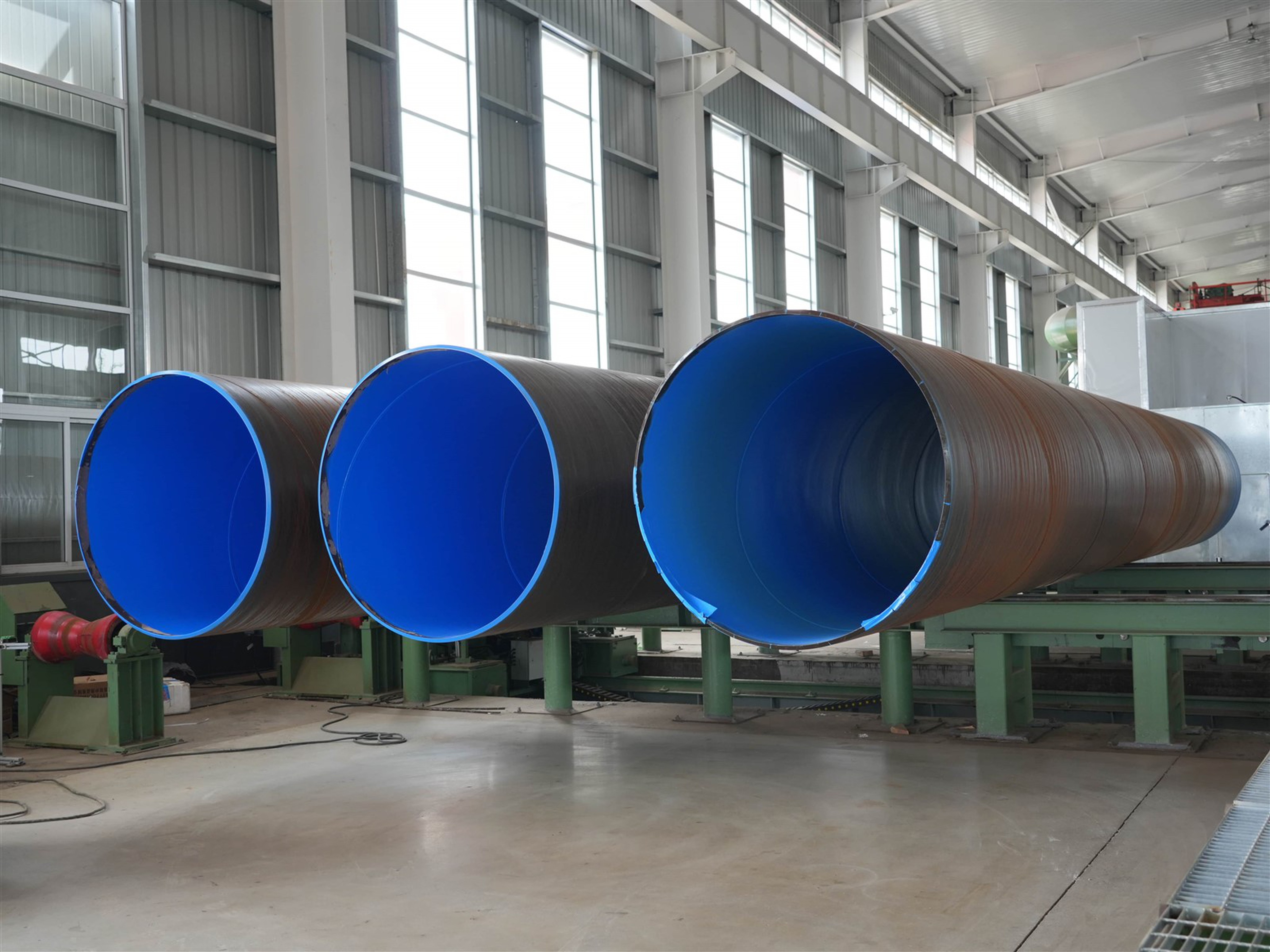
Anti-corrosion steel pipes rely on qualified steel substrates and standard protective coatings to resist environmental oxidation, chemical erosion and electrochemical corrosion. Their overall quality is jointly determined by raw material performance and standardized production processes. Unqualified base materials, inferior coating materials or irregular manufacturing procedures will cause coating peeling, pinhole defects, insufficient bonding strength and premature corrosion failure. In engineering applications, material and production specifications act as the core technical threshold to ensure pipeline stability and long service life. This article discusses the mandatory material requirements and production standards for anti-corrosion pipes with question-based subheadings, providing standardized references for industrial production and engineering inspection.
Why Are Strict Material and Production Specifications Indispensable?
Anti-corrosion steel pipes are typical composite structural materials. The steel substrate bears mechanical pressure and structural load, while the anti-corrosion layer provides chemical protection. If raw materials fail to meet specifications, even standardized manufacturing cannot guarantee final product quality. Similarly, high-quality materials will lose their performance advantages under irregular production operations.
Strict material and production specifications ensure the coordination of mechanical strength, coating adhesion, corrosion resistance and weather resistance. Standardized manufacturing eliminates common defects such as uneven coating, insufficient curing strength and surface impurities. Compliance with unified industry specifications can effectively reduce pipeline maintenance risks, extend operational life and avoid economic losses caused by early pipeline failure, which is the basic requirement for qualified engineering piping materials.
What Base Steel Material Specifications Must Be Followed?
The steel substrate is the structural foundation of anti-corrosion pipes, and its material parameters are clearly defined by national and international industry standards. Qualified base steel must have stable chemical composition, uniform wall thickness and excellent mechanical properties. Common base materials include carbon steel and low-alloy pipeline steel that meet standard tensile strength, yield strength and impact resistance requirements.
The steel surface must be free of cracks, folding, slag inclusion, porosity and severe rust. These surface defects will affect the bonding effect between the steel and anti-corrosion coating, resulting in local peeling and hollowing. In addition, the wall thickness tolerance must be controlled within the standard range to ensure pressure-bearing capacity and structural stability during long-term operation. For high-pressure oil and gas pipelines, high-grade pipeline steel with stricter toughness and fatigue resistance is mandatory to adapt to complex underground working conditions.
What Quality Standards Govern Anti-Corrosion Coating Materials?
Coating materials determine the core anti-corrosion performance of finished pipes, and different anti-corrosion processes have corresponding material qualification specifications. For 3PE external anti-corrosion pipes, high-density polyethylene materials must have excellent toughness, aging resistance and low-temperature stability, with no impurity particles affecting coating uniformity. The adhesive layer materials must have strong compatibility with both steel substrates and polyethylene layers to ensure long-term bonding stability.
For internal epoxy-lined pipes, the epoxy resin materials must be non-toxic, environmentally friendly and chemically inert. Water-grade epoxy materials used for drinking water pipelines must meet health and safety standards to prevent secondary water pollution. For epoxy coal tar pitch coatings, materials must have stable acid and alkali resistance and waterproof performance, suitable for buried humid environments and sewage medium erosion.
All coating materials must have uniform texture, no agglomeration, no deterioration and expired failure. Before production, materials must pass sampling inspection to ensure compliance with corrosion resistance, weather resistance and mechanical toughness indicators specified by industry standards.
What Pretreatment Process Specifications Are Required Before Coating?
Steel surface pretreatment is a key standardized production procedure, directly determining the bonding quality of the anti-corrosion layer. Unclean steel surfaces with rust, oxide scale, oil stains and dust will seriously reduce coating adhesion, causing blistering and peeling in later use.
Standard pretreatment processes include derusting, degreasing and surface roughness treatment. Mechanical shot blasting or sand blasting is adopted to remove surface rust and oxide layers, reaching the industrial standard derusting grade. Oil and wax contaminants are thoroughly cleaned with professional solvents to ensure a dry, clean and uniform steel surface. Appropriate surface roughness is required to enhance mechanical occlusion between the coating and steel substrate, avoiding delamination failure caused by smooth surface bonding instability.
What Core Production Process Specifications Regulate Coating Construction?
Formal production processes must strictly follow standardized coating, curing and molding procedures. First, the coating thickness must be uniformly controlled within the standard range. Too thin a coating fails to provide effective anti-corrosion protection, while excessively thick coatings easily crack and fall off under external pressure and temperature changes.
Second, the spraying and winding processes must ensure full coverage without missing spraying, dead corners and pinholes. For multi-layer composite anti-corrosion structures, each layer must be constructed in strict accordance with interval time and process temperature requirements to ensure sufficient curing reaction and interlayer bonding force. High-temperature curing temperature and time for epoxy coatings must comply with process specifications to avoid incomplete curing leading to poor hardness and chemical resistance.
In addition, the whole production environment must maintain constant temperature, low humidity and dust-free conditions to prevent floating dust and moisture from affecting coating molding quality.
What Finished Product Inspection Specifications Ensure Qualified Production?
After production is completed, anti-corrosion pipes must pass standardized finished product inspection before leaving the factory. Conventional inspection items include surface quality observation, coating thickness detection, bonding strength test and impact resistance test. Qualified finished pipes have smooth and flat coating surfaces without bubbles, cracks, peeling, pinholes and wrinkles.
Sampling corrosion resistance tests and aging resistance tests are required for batch products to verify long-term service performance. Pipes used in special industries such as drinking water and chemical engineering need additional sanitation detection and medium corrosion resistance detection. Products that fail the inspection must be reworked or scrapped, and are prohibited from entering engineering construction sites.
Conclusion
In summary, anti-corrosion pipes must comply with systematic material specifications and production specifications covering base steel selection, coating material inspection, surface pretreatment, coating construction and finished product testing. High-quality raw materials are the foundation of product performance, and standardized production processes are the key to stable anti-corrosion effects. Strictly implementing relevant material and production specifications can effectively avoid common quality defects, ensure that anti-corrosion pipes have reliable mechanical strength and corrosion resistance, and provide solid quality guarantee for the safe and long-term operation of various pipeline engineering projects.


