


What Core Project Conditions Need to Be Evaluated Before Selection?
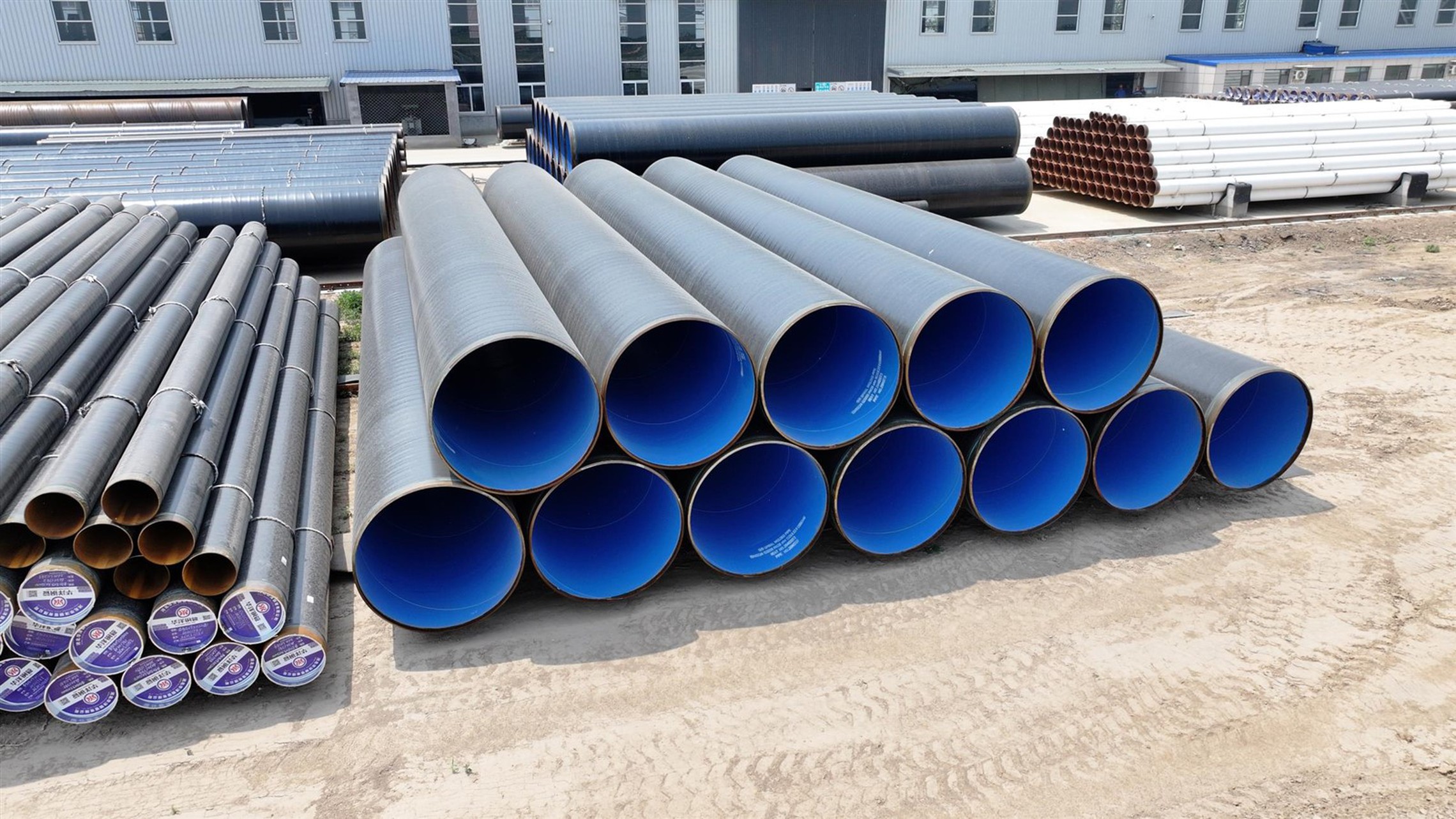
Selecting a qualified anti-corrosion steel pipe is the premise of safe, stable, and long-term pipeline operation. No single anti-corrosion pipe type can adapt to all engineering scenarios, as different projects involve varying media, temperatures, pressures, and installation environments. Blind material selection based on experience or low cost often leads to premature coating failure, pipeline corrosion, medium leakage, and even project rework. To achieve accurate, reasonable, and cost-effective pipe selection, engineers must conduct a comprehensive evaluation of core project conditions in advance. This article elaborates on the key evaluation indicators before anti-corrosion pipe selection with question-based subheadings, providing systematic guidance for engineering piping design and material procurement.
Why Is Medium Characteristic Evaluation the Top Priority?
The transported medium is the most decisive factor affecting anti-corrosion pipe performance, as it directly contacts the inner wall of the steel pipe for a long time and causes continuous chemical or electrochemical corrosion. Different media have distinct corrosive intensities, which determine the required anti-corrosion process, lining material, and base steel grade. Therefore, analyzing medium characteristics is always the first step before pipe selection.
Engineers need to evaluate multiple medium parameters, including pH value, salinity, chemical composition, temperature, and impurity content. Clean domestic water with neutral pH and low salinity belongs to low-corrosion media, which only requires conventional epoxy lining or ordinary anti-corrosion coating. In contrast, industrial wastewater containing acid, alkali, chloride, and heavy metal ions is highly corrosive, which may erode ordinary organic coatings and requires high-grade modified epoxy or polymer lining materials.
In addition, special media such as high-sulfur crude oil, flammable natural gas, and viscous slurry also need targeted evaluation. Sulfur-containing media can cause sulfide stress corrosion on steel bases, while slurry media will produce abrasive wear on the inner anti-corrosion layer during transportation. Only by fully clarifying medium characteristics can engineers eliminate mismatched pipe types and avoid internal corrosion failure.
How Do Operating Temperature and Pressure Affect Pipe Selection?
Operating temperature and pressure are critical mechanical indicators that determine the structural stability of anti-corrosion steel pipes and their protective layers. Many anti-corrosion coatings have fixed temperature and pressure resistance ranges; exceeding these limits will lead to coating aging, brittleness, peeling, and even pipe deformation and rupture.
High-temperature working conditions accelerate the aging reaction of organic anti-corrosion materials. Conventional epoxy and coal tar pitch coatings will soften and lose adhesion under long-term high temperature, resulting in falling off failure. For high-temperature steam and hot oil transportation projects, high-temperature resistant anti-corrosion processes or alloy composite pipes must be selected. On the contrary, ultra-low temperature environments will make ordinary coatings brittle and crack, requiring low-temperature toughened anti-corrosion materials.
Operating pressure determines the wall thickness of the steel pipe base and the bonding strength of the anti-corrosion layer. High-pressure pipelines require thick-walled steel pipes and high-adhesion anti-corrosion coatings to prevent the coating from being squeezed and detached by fluid pressure. Low-pressure conventional pipelines can adopt standard wall thickness and ordinary anti-corrosion processes to control project costs reasonably.
What Environmental Factors Must Be Assessed for Pipeline Installation?
The external installation environment is an easily neglected but essential evaluation condition, which dominates the external corrosion degree of steel pipes. Pipeline laying environments are mainly divided into buried soil environment, open-air exposed environment, underwater immersion environment, and indoor closed environment, each with unique corrosion characteristics.
Buried pipelines face complex soil corrosion risks. Engineers need to detect soil salinity, pH value, humidity, and stray current. Salty and acidic soil has strong corrosiveness to steel pipes, requiring 3PE or heavy-duty anti-corrosion coating. Stray current in urban construction sites may cause electrochemical corrosion, so special anti-stray-current anti-corrosion measures are needed.
Open-air pipelines are continuously eroded by ultraviolet radiation, rainwater washing, and temperature alternation. Long-term ultraviolet exposure will age and fade ordinary coatings, so weather-resistant and UV-stabilized anti-corrosion materials are required. Marine and underwater pipelines suffer from salt fog corrosion and hydrodynamic impact, demanding salt-resistant and high-mechanical-strength anti-corrosion pipes. Indoor pipelines with stable environments have low external corrosion risks and can adopt economical conventional anti-corrosion schemes.
How Does Project Service Life Influence Anti-Corrosion Solution Matching?
Different engineering projects have different design service life standards, which directly guide the grade selection of anti-corrosion pipes. Service life determines the thickness of the anti-corrosion layer, process level, and material grade, realizing the precise match between performance and demand.
Permanent infrastructure such as municipal water supply, long-distance oil and gas pipelines, and urban drainage projects has a design life of 30 to 50 years. Such projects must adopt high-standard anti-corrosion processes, thickened protective layers, and high-durability materials to avoid repeated maintenance and reconstruction. For temporary projects, construction temporary water pipelines, and short-cycle industrial process pipelines with a service life of 5 to 10 years, economical and practical ordinary anti-corrosion pipes can meet operational needs and effectively control initial investment.
Ignoring service life evaluation will lead to two extreme problems: over-standard selection causing cost waste and low-standard selection failing to meet long-term operational requirements, both of which reduce the overall project benefit.
What Construction and Cost Constraints Need to Be Considered?
On the basis of meeting anti-corrosion performance, construction feasibility and project budget are also core evaluation conditions. Different anti-corrosion pipes have different transportation adaptability, welding requirements, and on-site construction difficulties.
For projects with complex terrain, many pipe bends, and narrow construction space, lightweight and flexible anti-corrosion pipes with convenient installation should be selected to reduce construction difficulty. For large-diameter long-distance pipelines, anti-corrosion pipes with strong mechanical impact resistance are required to avoid coating damage during hoisting and laying.
Cost evaluation is not simply pursuing the lowest price but balancing initial investment and long-term comprehensive cost. High-grade anti-corrosion pipes have high procurement costs but low later maintenance costs, suitable for key permanent projects. Economical anti-corrosion pipes are more suitable for low-risk and short-term projects, realizing optimal cost-performance matching.
Conclusion
In conclusion, five core project conditions must be fully evaluated before anti-corrosion pipe selection: medium characteristics, operating temperature and pressure, installation environment, design service life, and construction and cost constraints. These factors jointly determine the rationality of pipe type selection, anti-corrosion process configuration, and material matching. Comprehensive condition evaluation can effectively avoid safety risks and economic losses caused by mismatched selection, ensure that the pipeline system operates stably throughout the full lifecycle, and lay a solid foundation for high-quality project completion.


