


What Are the Standards for the Storage of Anti-Corrosion Steel Pipes
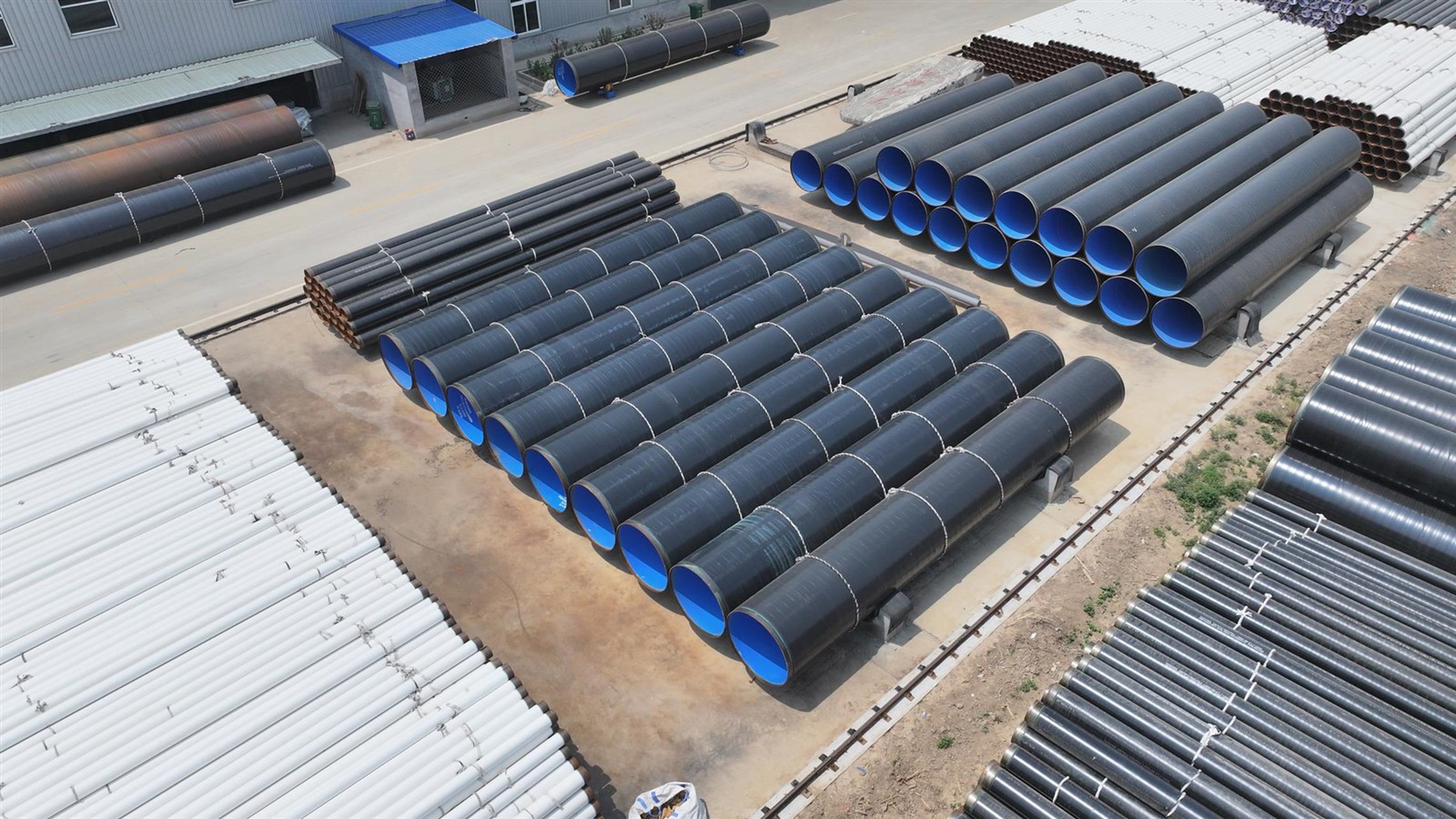
Anti-corrosion steel pipes are specially engineered piping materials coated or lined with protective layers to resist chemical and electrochemical corrosion. Unlike ordinary carbon steel pipes, their anti-corrosion coatings and linings are relatively fragile and susceptible to damage from improper handling, humid environments, mechanical friction, and long-term outdoor exposure. Many engineering teams focus heavily on pipe selection and construction quality but ignore standardized storage management, resulting in coating peeling, surface aging, scratches, and secondary corrosion before installation. Unqualified storage not only reduces pipeline anti-corrosion performance but also shortens service life, increases project rework costs, and even causes hidden safety hazards for later operation. Therefore, implementing scientific and standardized storage rules is a key link to guarantee the quality of anti-corrosion steel pipes. This article systematically explains the complete storage standards for anti-corrosion steel pipes with question-based subheadings, providing standardized guidance for engineering material management.
Why Do Anti-Corrosion Steel Pipes Require Specialized Storage Standards?
Anti-corrosion steel pipes differ fundamentally from ordinary bare steel pipes in structural composition and surface characteristics. The external polyethylene coating, epoxy lining, coal tar pitch layer, and galvanized zinc layer are all functional protective materials that determine the pipe's anti-corrosion performance. These protective layers are sensitive to external environmental changes and mechanical damage, making specialized storage indispensable.
Improper storage will trigger multiple quality defects. Long-term outdoor exposure without shielding leads to ultraviolet radiation aging, coating fading, and brittleness. Random stacking causes extrusion deformation, surface scratches, and local peeling of the anti-corrosion layer. Humid and unventilated storage environments induce moisture condensation, resulting in blistering, delamination, and mildew on the coating surface. For galvanized steel pipes and stainless steel composite pipes, messy storage may cause surface oxidation, white rust, and interface separation.
In engineering quality acceptance, storage damage is classified as non-conforming quality defects. Damaged anti-corrosion pipes require secondary repair or direct scrapping, which seriously delays construction progress and increases comprehensive project costs. It is therefore necessary to formulate and implement unified, standardized storage management specifications for all types of anti-corrosion steel pipes.
What Are the Basic Site Selection Standards for Pipe Storage Yards?
The storage site is the foundation of anti-corrosion pipe protection, and its environmental conditions directly affect the stability of the pipe's protective layer. Qualified storage yards must meet strict requirements in terms of terrain, drainage, ventilation, pollution isolation, and ground foundation, complying with international and domestic engineering material management standards.
First, the storage site must be flat, solid, and well-drained. Low-lying areas prone to water accumulation are strictly prohibited, because long-term ground moisture will penetrate the pipe bottom and cause local coating damp corrosion and blistering. The yard should be designed with a certain slope and drainage ditches to ensure rapid water discharge after rain and avoid long-term ground humidity.
Second, the site must maintain good ventilation and be far from pollution sources. Storage yards should stay away from chemical workshops, acid-base spraying areas, dust-intensive construction areas, and salt fog zones. Harmful gas, dust, and corrosive floating particles in the air will adhere to the pipe surface, accelerating coating aging and chemical erosion. Indoor warehouses are preferred for high-grade anti-corrosion pipes such as epoxy-lined pipes and stainless steel composite pipes.
Third, the ground foundation must be treated specially. Ordinary bare soil ground is not allowed. The yard should be paved with concrete, gravel, or wooden sleepers to isolate the steel pipes from the original ground, preventing soil moisture and corrosive substances from contacting the pipe surface. Meanwhile, the ground must be flat without sharp protrusions to avoid local pressure damage to the anti-corrosion coating.
What Are the Classification and Stacking Standards for Anti-Corrosion Pipes?
Mixed and random stacking is one of the most common causes of anti-corrosion layer damage. Standardized stacking management requires strict classification, height limitation, spacing control, and cushioning measures to ensure no extrusion, friction, or deformation between pipes.
First, strict classification and separate stacking are mandatory. Different types, specifications, diameters, anti-corrosion processes, and batch numbers of steel pipes must be stored separately. 3PE anti-corrosion pipes, epoxy lined pipes, galvanized pipes, and coal tar pitch pipes cannot be stacked together, because different coating materials have different hardness and friction resistance. Hard galvanized layers may scratch soft polyethylene and epoxy coatings, causing cross-damage. In addition, finished products, semi-finished products, and defective products must be placed in distinct zones to avoid mixing unqualified pipes into construction materials.
Second, stacking height must be strictly limited to prevent extrusion deformation and coating peeling. For large-diameter buried anti-corrosion pipes, the stacking height shall not exceed 1.5 meters. For small-diameter thin-walled lined pipes, the height should be controlled within 1 meter. Excessively high stacking will cause excessive pressure on the bottom pipes, leading to coating compression damage, pipe body bending, and structural deformation.
Third, standardized cushioning and spacing rules must be followed. All pipes must be placed on flat sleepers or rubber cushions to avoid direct contact with the ground. The spacing between sleepers should be uniform to ensure uniform stress on the pipe body. Meanwhile, a certain gap should be maintained between adjacent pipes to ensure air circulation and prevent damp adhesion. Stacked pipes need anti-slip measures such as binding and fixing to prevent rolling and collision damage.
How to Implement Environmental Protection and Weather Protection Standards?
Temperature, humidity, sunlight, and rainfall are key environmental factors affecting the service life of anti-corrosion coatings. Long-term exposure to harsh weather will rapidly reduce the performance of organic anti-corrosion layers, so targeted weather protection standards must be implemented during storage.
Ultraviolet radiation protection is the core of outdoor storage management. Polyethylene and epoxy coatings are extremely sensitive to ultraviolet rays. Long-term sun exposure will cause coating aging, cracking, fading, and reduced bonding strength. All outdoor stacked anti-corrosion steel pipes must be fully covered with waterproof and UV-resistant tarpaulins. For pipes stored for more than one month, permanent sunshade facilities are recommended to avoid continuous light radiation.
Humidity and moisture control is equally critical. The storage environment humidity should be kept below 80%. In rainy seasons and humid areas, managers must strengthen ventilation and cover sealing to prevent rainwater from soaking the pipe stack. After rainy weather, the covering tarpaulins should be opened in time for air drying to avoid internal stuffy humidity leading to coating blistering and mildew. For indoor warehouses, dehumidification equipment can be equipped to maintain stable and dry storage conditions.
In addition, extreme temperature protection should be noted. In high-temperature seasons, direct sunlight heating will soften the organic coating and reduce mechanical strength. In low-temperature winter environments, some coatings will become brittle, and slight collision may cause cracking. Therefore, temperature isolation protection is required in extreme weather to maintain the stability of anti-corrosion materials.
What Are the Forbidden Behaviors During Pipe Storage Management?
To ensure the intactness of anti-corrosion steel pipes, the engineering industry has clearly defined forbidden behaviors in storage management, which must be strictly prohibited in daily operation to avoid artificial quality damage.
First, heavy pressing and mixed stacking of sundries are forbidden. It is not allowed to stack construction tools, steel plates, cement, and other heavy materials on the pipe stack, which will cause coating crushing and pipe body deformation. Second, dragging, rolling, and violent collision during pipe handling are prohibited. Anti-corrosion pipes cannot be dragged on the ground, and hard hoisting tools without soft cushioning are not allowed to avoid scratching and peeling the protective layer.
Third, long-term open-air bare storage is forbidden. Except for temporary short-term stacking during construction, finished anti-corrosion pipes cannot be exposed to the external environment for a long time without protection. Fourth, chemical contamination contact is strictly prohibited. Pipes are not allowed to contact acid, alkali, oil, and corrosive solvents, which will cause irreversible chemical damage to the anti-corrosion coating.
What Are the Regular Inspection and Maintenance Standards During Storage?
Standard storage management is not only about placing pipes in place but also includes daily inspection and maintenance mechanisms to discover potential quality hazards in time. Engineering material management specifications require regular special inspection of stored anti-corrosion steel pipes.
Daily inspection focuses on checking whether the covering facilities are intact, whether the yard is accumulated with water, whether the pipe stack is displaced or loose, and whether there are surface scratches and contamination. Weekly comprehensive inspections need to observe coating surface status, check for blistering, peeling, rust spots, and mildew, and record storage environment humidity and temperature data.
For pipes with slight surface defects, timely cleaning and partial repair are required before use. For pipes with large-area coating aging and damage, they should be isolated and marked as defective products to prevent them from being put into construction. Regular ventilation, dust removal, and dehumidification maintenance can effectively extend the safe storage cycle of anti-corrosion steel pipes.
What Are the Standard Rules for Outbound and Short-Term Transit Storage?
Outbound loading and short-term transit storage are also important links in storage management. Many coating damages occur during outbound transportation and temporary stacking. During loading and unloading, soft protective pads must be used at the contact positions of steel pipes and vehicles. Binding ropes should adopt soft belts instead of steel wires to avoid strangling and damaging the coating.
During short-term transit storage at the construction site, pipes should still be cushioned and covered. The stacking time should be shortened as much as possible, and long-term open-air accumulation is prohibited. After arriving at the construction area, inspection and acceptance must be carried out immediately, and damaged pipes should be repaired in time to ensure that all installed pipes meet anti-corrosion quality standards.
Conclusion
In conclusion, the storage standards for anti-corrosion steel pipes cover site selection, classified stacking, weather protection, forbidden operation constraints, daily maintenance, and outbound management. Unlike ordinary steel materials, anti-corrosion pipes rely on complete protective layers to ensure long-term operational performance. Standardized storage can effectively avoid coating aging, mechanical damage, and secondary corrosion, maintain the original anti-corrosion performance of steel pipes, and lay a solid foundation for project construction quality and long-term pipeline safe operation. Engineering management teams must strictly implement unified storage specifications, establish standardized material management systems, and reduce quality losses caused by irregular storage, so as to improve the overall quality and economic benefits of piping projects.


