


What Are the International and Domestic Standard Systems for Anti-Corrosion Pipes?
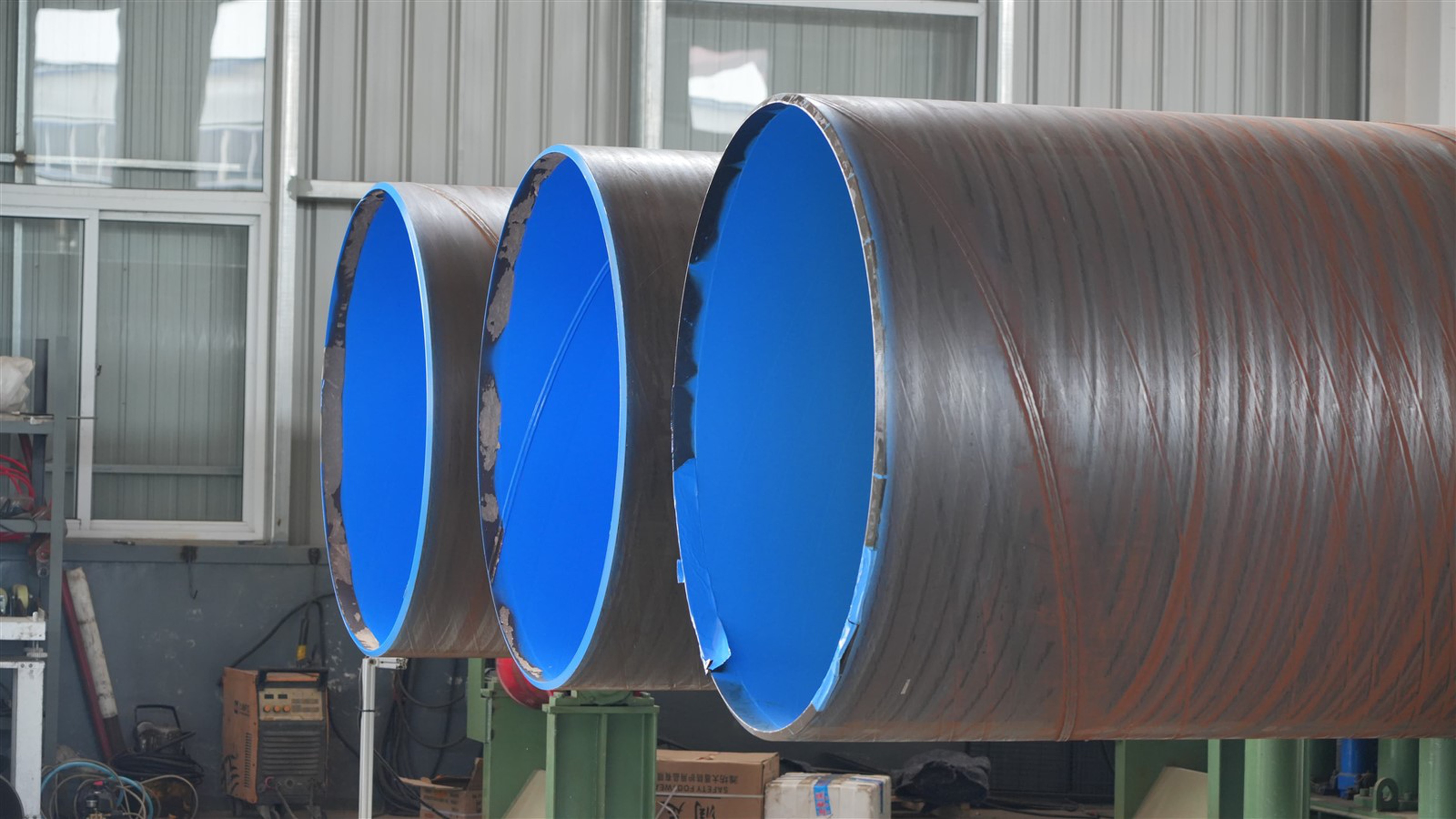
Anti-corrosion steel pipes serve as critical infrastructure for oil and gas transmission, municipal water supply, chemical transportation, and marine engineering. Their structural stability, anti-corrosion performance, and long-term service life rely entirely on standardized design, production, and inspection systems. Without unified technical standards, inconsistent manufacturing processes and irregular application methods will lead to coating peeling, pipeline corrosion, medium leakage, and potential safety accidents. International and domestic standard systems provide unified technical benchmarks for material selection, coating parameters, production processes, and quality acceptance of anti-corrosion pipes. This article explores the composition, core content, and application scenarios of mainstream standard systems with question-based subheadings, aiming to clarify standardized guidelines for engineering practice.
Why Do Anti-Corrosion Pipes Need Unified Standard Systems?
Anti-corrosion steel pipes are composite materials composed of carbon steel substrates and protective coatings, featuring diverse structures and variable performance parameters. Different manufacturers adopt different production technologies, coating materials, and processing procedures. In the absence of unified standards, product quality will vary greatly, resulting in mismatched performance and working conditions during actual engineering applications.
Standard systems eliminate market disorder and technical ambiguity. They define clear quantitative indicators including coating thickness, bonding strength, impact resistance, temperature resistance, and corrosion resistance. Unified standards ensure that anti-corrosion pipes produced by different manufacturers maintain consistent quality and compatibility. For cross-regional and international projects, standardized systems realize technical docking, facilitate material inspection and acceptance, and guarantee the safety, stability, and durability of pipeline systems throughout their service cycle.
What Core International Standards Govern Anti-Corrosion Pipe Industries?
International standard systems are widely recognized in global pipeline engineering, providing universal technical specifications for transnational projects, offshore engineering, and exported pipeline products. Three major standard systems dominate the anti-corrosion pipe industry: ISO standards, ASTM standards, and API standards, each with unique application orientations and core contents.
The ISO series, formulated by the International Organization for Standardization, focuses on universal anti-corrosion technical specifications for general pipelines. It standardizes the classification of anti-corrosion layers, environmental adaptability test methods, and long-term aging evaluation indicators, suitable for most municipal, water conservancy, and general industrial pipeline projects. ISO standards emphasize the universality and stability of anti-corrosion performance, forming a basic global certification benchmark for anti-corrosion pipes.
ASTM standards issued by the American Society for Testing and Materials focus on material performance detection. They formulate detailed test specifications for coating materials, steel substrate properties, and corrosion resistance evaluation. These standards are widely used in high-precision industrial projects and material quality inspection, providing accurate data support for pipe performance verification.
API standards from the American Petroleum Institute are specialized specifications for petroleum and natural gas pipelines. They put forward strict requirements on mechanical strength, high-pressure resistance, and anti-stress corrosion performance of anti-corrosion pipes, adapting to harsh working conditions such as long-distance buried transmission and high-pressure oil and gas transportation. API standards are the core basis for international energy pipeline projects.
What Are the Main Domestic Standard Systems for Anti-Corrosion Pipes?
Domestic anti-corrosion pipe standards are mainly composed of national GB/T standards and industry-specific specifications, which are formulated based on international standards while combining local engineering environments, climatic conditions, and construction characteristics. These standards are more targeted for domestic municipal, petrochemical, and water conservancy projects.
National GB/T standards are the most authoritative basic specifications, covering mainstream anti-corrosion pipe types such as 3PE/2PE external anti-corrosion steel pipes, epoxy resin lined pipes, and hot-dip galvanized steel pipes. They clearly stipulate product classification, technical parameters, production processes, and factory inspection methods, unifying the quality threshold for domestic anti-corrosion pipe production. All conventional civil and industrial pipeline projects must comply with GB/T standard requirements.
On the basis of national standards, various industries have formulated targeted industry specifications. Petrochemical industry standards focus on high-pressure, anti-sulfur, and heavy-duty anti-corrosion requirements for oil and gas pipelines. Municipal engineering standards prioritize environmental protection, sanitation, and low-pressure adaptability for water supply and drainage pipelines. Water conservancy standards emphasize waterproof and anti-erosion performance for hydraulic pipelines, forming a multi-level and refined domestic standard system.
What Are the Key Differences Between International and Domestic Standards?
Although domestic standards refer to international mainstream systems, there are obvious differences in application scope, technical focus, and index rigor due to different engineering environments and regional demands. International standards are more universal and suitable for global diversified working conditions, with higher requirements for product versatility and cross-environment adaptability.
Domestic standards are more practical and targeted. They adjust technical indicators according to local soil corrosion characteristics, climatic humidity, and conventional project grades, avoiding excessive technical redundancy and reducing engineering costs while ensuring safety. For example, domestic standards optimize the coating thickness parameters of conventional municipal pipelines based on regional environmental characteristics, realizing a better balance between quality and cost.
In terms of detection standards, international standards pay more attention to long-term aging and fatigue resistance tests, while domestic standards focus more on factory qualification indicators and on-site construction adaptability, which is more in line with domestic construction management modes and project acceptance mechanisms.
How to Select Appropriate Standards for Different Engineering Projects?
Reasonable selection of standard systems is the key to ensuring project quality. For international bidding projects, cross-border oil and gas pipelines, and offshore engineering projects, international ISO, ASTM, and API standards must be adopted to meet global technical docking and international acceptance requirements.
For domestic municipal water supply and drainage, urban pipeline networks, and conventional industrial projects, national GB/T standards and supporting industry specifications are preferred, which can fully meet operational needs and control project costs reasonably. For special harsh working conditions such as high-corrosion chemical environments and high-pressure energy pipelines, it is necessary to superimpose international high-standard indicators on the basis of domestic specifications to improve pipeline safety margins.
Conclusion
In summary, the international standard system dominated by ISO, ASTM and API and the domestic standard system based on GB/T national standards and industry specifications jointly constitute the complete technical system for anti-corrosion steel pipes. International standards provide universal and high-standard guidelines for global and special engineering projects, while domestic standards offer targeted and practical specifications for local conventional projects. Understanding the composition, characteristics and application scope of different standard systems helps engineering practitioners standardize material selection, production supervision and quality acceptance, effectively ensuring the long-term safe and stable operation of anti-corrosion pipeline systems.


