


What Are the Differences Between Anti-Corrosion Steel Pipes and Galvanized Steel Pipes
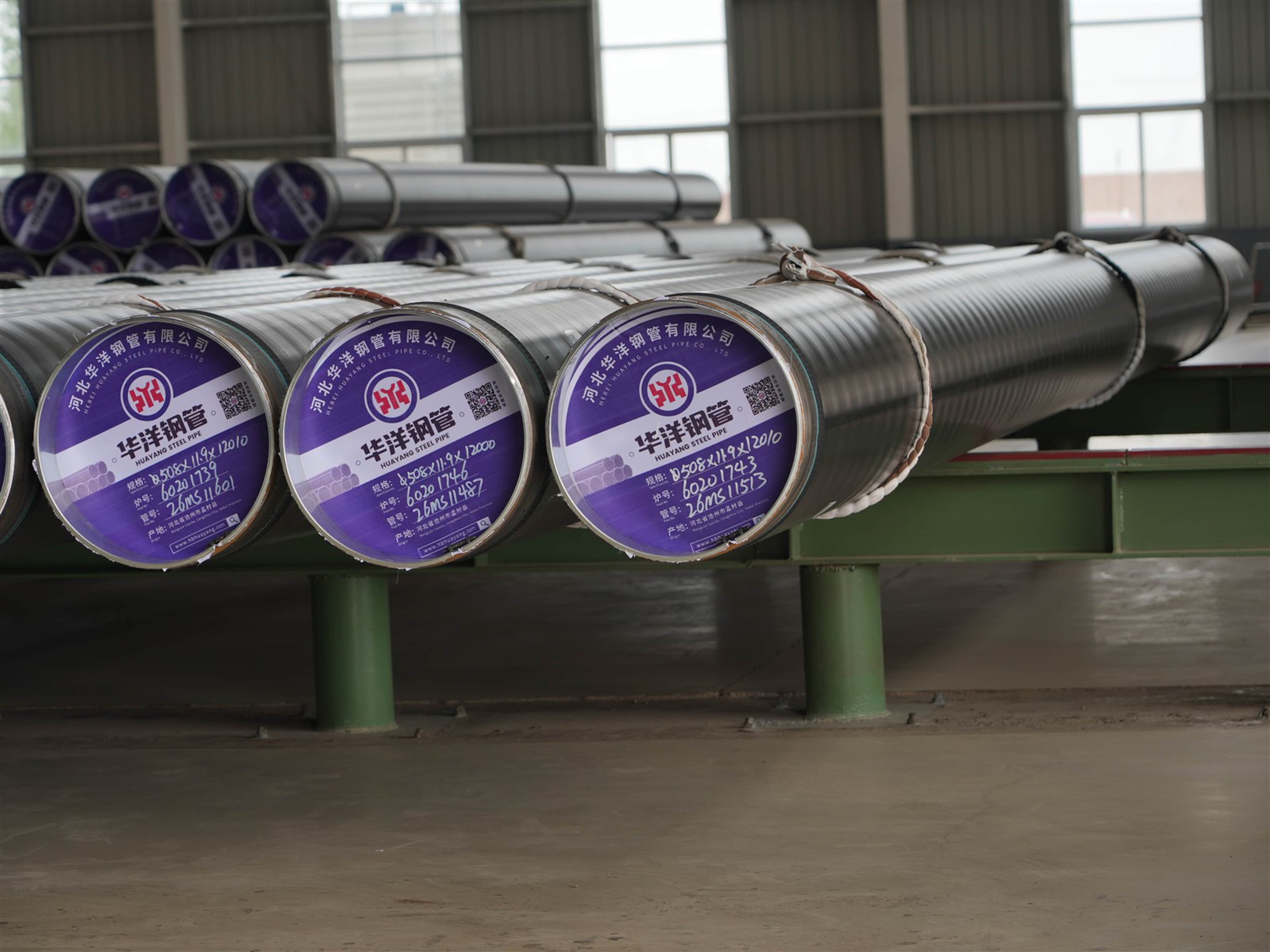
Steel pipes are indispensable foundational materials in modern construction, industrial manufacturing, water supply and drainage, and petrochemical engineering. Corrosion is the primary factor that shortens the service life of steel pipes, increases maintenance costs, and causes potential safety hazards. To solve the corrosion problem, anti-corrosion steel pipes and galvanized steel pipes are the two most widely used anti-rust pipe products in the market. Many engineering practitioners and procurement personnel often confuse the two types of pipes because they both have anti-corrosion functions. However, they differ fundamentally in manufacturing principles, structural characteristics, performance advantages, application scenarios, and economic benefits. This article will analyze the core differences between anti-corrosion steel pipes and galvanized steel pipes from multiple dimensions to provide a clear reference for practical engineering selection.
What Are the Basic Definitions and Manufacturing Process Differences?
To distinguish anti-corrosion steel pipes and galvanized steel pipes accurately, it is necessary to start with their basic definitions and production processes, which determine their essential attribute differences. A galvanized steel pipe is a steel pipe with a single zinc-based anti-corrosion layer. Its base material is ordinary carbon steel pipes such as Q235B and Q345B. The core manufacturing process is galvanization, mainly divided into hot-dip galvanizing and electro-galvanizing. Hot-dip galvanizing is the mainstream process: the cleaned steel pipe is immersed in high-temperature molten zinc liquid at about 450℃, so that the zinc layer adheres tightly to the steel pipe surface through physical and chemical reactions, forming a thick and uniform zinc protective film. Electro-galvanizing forms a thin zinc layer on the pipe surface through electrolysis, with relatively simple operation and low cost but thinner coating thickness.
Anti-corrosion steel pipes are a broad category of anti-rust steel pipes, not limited to a single coating process. They take various seamless or welded steel pipes as the base pipe, and adopt professional anti-corrosion coating treatment on the inner and outer surfaces according to different usage environments and medium characteristics. Common anti-corrosion processes include 3PE anti-corrosion, epoxy coal tar pitch anti-corrosion, polyurethane coating, and cement mortar lining anti-corrosion. Different from the single zinc coating of galvanized pipes, anti-corrosion steel pipes can form multi-layer composite protective structures. For example, the 3PE anti-corrosion process consists of three layers: epoxy powder primer, adhesive layer, and polyethylene outer layer, which closely covers the steel pipe matrix. In short, galvanized steel pipes are a single-type anti-corrosion pipe, while anti-corrosion steel pipes are a general term for diversified anti-corrosion treated pipes, covering richer process types.
How Do Their Anti-Corrosion Mechanisms and Performance Differ?
The anti-corrosion mechanisms of the two types of pipes are completely different, leading to obvious gaps in anti-corrosion performance and environmental adaptability. The anti-corrosion principle of galvanized steel pipes is sacrificial anode protection. Zinc is more active than iron in chemical activity. When the pipe surface is exposed to air, water or humid environment, the zinc layer will oxidize and corrode preferentially, sacrificing itself to protect the internal steel matrix from rusting. When the zinc coating is intact, the pipe has stable anti-rust ability. However, the defect of this mechanism is prominent: once the zinc layer is scratched, worn or partially peeled off, the protective effect will fail rapidly. The damaged part will form a galvanic cell with the surrounding zinc layer, accelerating the local corrosion and rust of the steel pipe.
Anti-corrosion steel pipes adopt a physical isolation anti-corrosion mechanism. The high-performance polymer coating completely isolates the steel pipe matrix from external corrosive media such as oxygen, water vapor, acid and alkali substances. There is no chemical sacrificial reaction in the protection process, and the core is to cut off the corrosion path fundamentally. This mechanism makes anti-corrosion steel pipes have stronger environmental adaptability. In mild atmospheric and freshwater environments, both pipes can work stably, but in harsh environments such as coastal salt fog, industrial acid-base pollution, underground humid and corrosive soil, and high-salinity water medium, galvanized pipes are prone to rapid corrosion of the zinc layer and failure of protection. In contrast, composite anti-corrosion coatings such as 3PE have excellent resistance to acid, alkali, salt and oxidation, and can maintain stable anti-corrosion performance for a long time in extreme corrosive environments.
In terms of high-temperature resistance, the performance gap is also obvious. The zinc layer of galvanized pipes is easy to soften, peel and fail under long-term high-temperature conditions above 200℃, while special high-temperature resistant anti-corrosion steel pipes can adapt to high-temperature pipeline transmission scenarios through modified coating materials, with stable high-temperature anti-corrosion performance.
What Are the Differences in Service Life and Durability?
Service life is a key index to measure the comprehensive value of steel pipes, and the difference in durability between anti-corrosion steel pipes and galvanized steel pipes is very significant, affected by coating performance and anti-corrosion mechanism. Under conventional indoor dry environments, the service life of ordinary hot-dip galvanized steel pipes is about 15 to 20 years, and that of electro-galvanized pipes is shorter, only 5 to 10 years. In open-air humid, rainy or coastal salt fog environments, the zinc layer will be continuously eroded, and the service life of galvanized pipes will be shortened to less than 10 years. Once local rust occurs, the corrosion range will expand rapidly, and the pipe wall will gradually thin, affecting structural stability.
Anti-corrosion steel pipes have far longer service life due to high-strength composite coatings. Ordinary epoxy anti-corrosion steel pipes can serve stably for 20 to 30 years in conventional environments, and 3PE multi-layer anti-corrosion steel pipes, which are widely used in buried pipelines, have a service life of more than 50 years in underground corrosive soil and complex water environments. Moreover, the durability of anti-corrosion steel pipes is more stable. The coating has strong wear resistance and impact resistance, and slight surface scratches will not damage the overall anti-corrosion structure, nor will it cause large-area corrosion failure. Even in long-term buried and underwater working conditions, it can maintain intact protective performance, which is incomparable to galvanized steel pipes.
How Do Their Application Scenarios Differ?
Due to the differences in performance and durability, anti-corrosion steel pipes and galvanized steel pipes have their own targeted application scenarios, with clear boundaries in practical engineering. Galvanized steel pipes are suitable for low-corrosion, short-to-medium service cycle and conventional civil scenarios. They are most commonly used in indoor water supply pipelines, building fire protection pipelines, ordinary greenhouse supports, and low-pressure gas transmission in urban residential areas. These scenarios have mild environmental conditions, low corrosion risk, and no requirement for ultra-long service life, which can give full play to the cost advantage of galvanized pipes. In addition, their simple processing and convenient on-site installation make them ideal for conventional civil construction projects with low budget and standard service life requirements. However, galvanized pipes are rarely used in buried pipelines, industrial corrosive environments and long-term underwater transportation projects, as their zinc coating cannot resist sustained strong corrosion.
In contrast, anti-corrosion steel pipes are tailored for harsh working conditions and long-term engineering projects. The 3PE anti-corrosion steel pipes, as the mainstream product, are widely applied in long-distance buried oil and gas transmission pipelines, urban underground water supply and drainage trunk pipelines, and cross-regional hydraulic engineering. Epoxy coal tar pitch anti-corrosion pipes are commonly used in sewage treatment projects and industrial wastewater transmission, effectively resisting the corrosion of chemical pollutants in sewage. High-temperature resistant anti-corrosion steel pipes are specially used for high-temperature steam and hot medium transmission in chemical and power plants. All these scenarios require stable long-term anti-corrosion performance, and the multi-layer composite coating structure of anti-corrosion steel pipes can fully meet the strict environmental and durability requirements of industrial and municipal key projects.
Cost and Maintenance Cost Differences
Cost is a core factor affecting engineering selection, and the two types of pipes show different cost advantages in short-term and long-term perspectives. In terms of initial procurement cost, galvanized steel pipes are more economical. The mature and streamlined galvanizing process leads to low production costs, and the single-layer coating structure saves processing fees, making them cheaper than most multi-layer anti-corrosion steel pipes. For small and medium-sized conventional projects, galvanized pipes can effectively reduce initial investment.
Nevertheless, anti-corrosion steel pipes have prominent long-term cost advantages. Although their upfront purchase cost is higher due to complex coating processes and high-quality protective materials, their ultra-long service life and stable performance greatly reduce later maintenance and replacement costs. Galvanized pipes need regular rust removal, anti-rust repainting and partial replacement after 8-10 years of use in most scenarios, bringing continuous maintenance expenses and project shutdown losses. Anti-corrosion steel pipes almost require no special maintenance during the service period, avoiding repeated investment. For large-scale, long-cycle industrial and municipal projects, they have higher comprehensive cost performance.
Conclusion
In summary, galvanized steel pipes are a single-type anti-corrosion product with simple technology, low cost and limited anti-corrosion performance, suitable for mild-environment, short-service conventional civil engineering scenarios. Anti-corrosion steel pipes are a general category of diversified anti-corrosion pipes, featuring multi-layer physical isolation protection, strong environmental adaptability, long service life and low later maintenance cost, which are the preferred choice for harsh and high-standard engineering projects. Engineering practitioners should select pipe types according to actual environmental conditions, service life requirements and project budget, so as to balance economic benefits and operational safety, and ensure the long-term stable operation of pipeline systems.


