


What Are the Common Types of Anti-Corrosion Steel Pipes and Their Features?
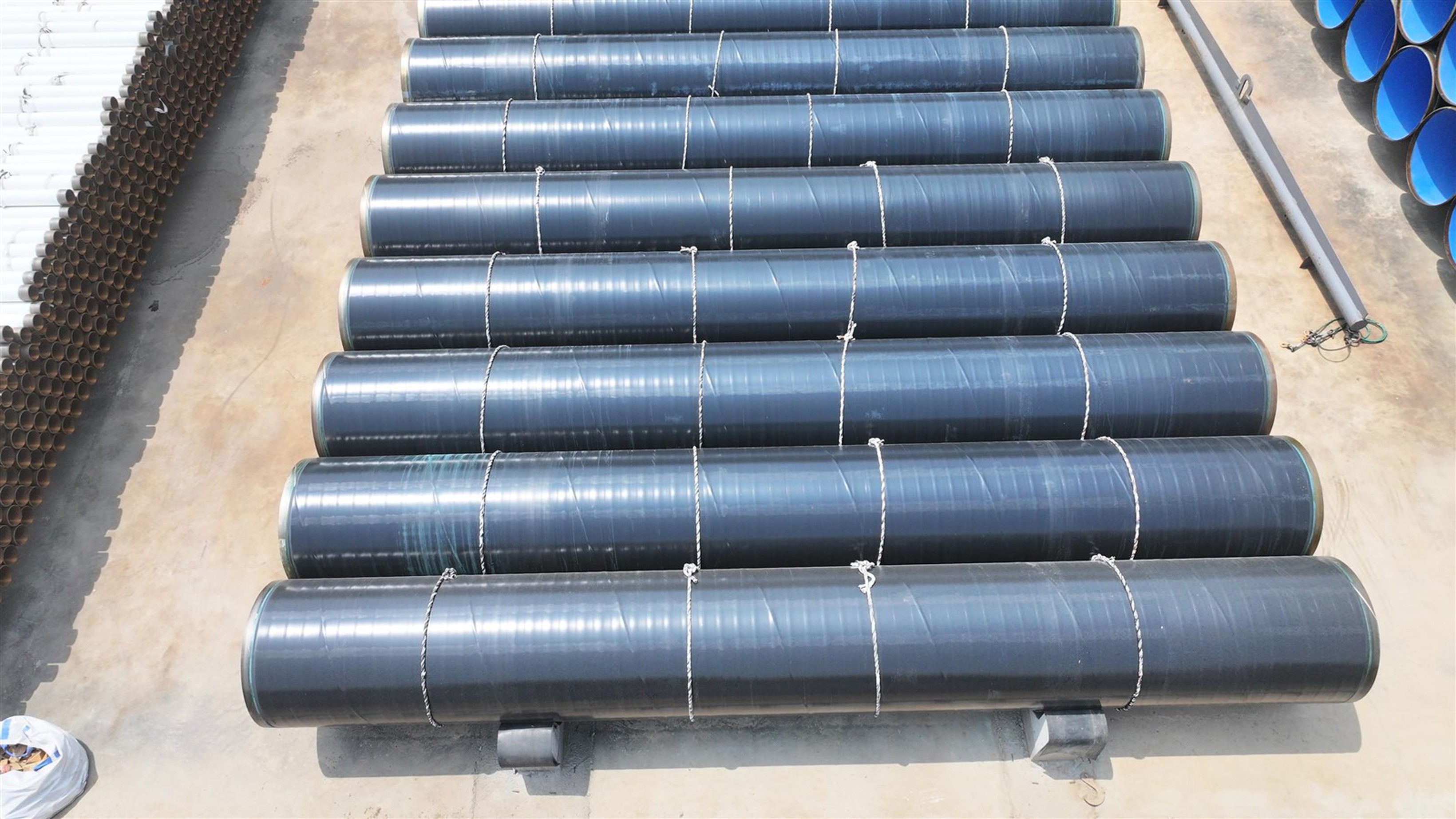
Ordinary carbon steel pipes are susceptible to electrochemical corrosion, rust accumulation, and structural degradation when exposed to humid soil, saltwater, acidic media, and fluctuating atmospheric conditions. To address these risks, anti-corrosion steel pipes are widely adopted in municipal water supply, sewage treatment, oil and gas transmission, chemical engineering, and marine projects. These specially treated pipes combine the high mechanical strength of carbon steel with durable protective layers, significantly extending pipeline service life and reducing operational risks. In practical engineering, different anti-corrosion pipe types possess unique structural features, performance advantages, and applicable scenarios. Understanding their classification and core characteristics is essential for accurate material selection. This article explores the most common anti-corrosion steel pipes and their distinct features with question-based subheadings, providing reliable guidance for engineering procurement and design.
What Are the Main Classification Standards for Anti-Corrosion Steel Pipes?
Anti-corrosion steel pipes are primarily classified according to their anti-corrosion treatment methods, which fall into two major categories: external surface anti-corrosion pipes and internal lining anti-corrosion pipes. Some integrated composite pipes combine both external coating and internal lining to achieve full-range protection. Each treatment process is designed to resist specific corrosion types, including soil corrosion, atmospheric aging, chemical medium erosion, and salt fog damage.
The diversity of anti-corrosion technologies enables targeted protection for different working conditions. External coating pipes focus on isolating the steel base from external environmental corrosion, while internal lining pipes prevent direct contact between corrosive conveying media and the pipe inner wall. Based on these core technologies, five types of anti-corrosion steel pipes are most commonly used in modern engineering, each with unique performance strengths and limitations.
What Are the Features of 3PE External Anti-Corrosion Steel Pipes?
3PE anti-corrosion steel pipes are recognized as the most reliable external anti-corrosion solution for buried long-distance pipelines, extensively applied in oil, natural gas, and cross-regional water transmission projects. The three-layer polyethylene structure consists of an epoxy powder primer, an adhesive layer, and a polyethylene outer layer, forming a dense and integrated protective system.
This pipe type features extremely high bonding strength, excellent waterproof performance, and strong resistance to mechanical impact and soil extrusion. The compact three-layer structure effectively blocks external moisture, oxygen, and corrosive ions from penetrating the steel surface, preventing electrochemical corrosion. Additionally, 3PE coatings exhibit outstanding aging resistance and stress resistance, adapting to complex buried soil environments and temperature changes.
However, 3PE pipes have certain limitations. The polyethylene material cannot withstand long-term high-temperature media, making it unsuitable for high-temperature steam or hot oil transportation. Meanwhile, its relatively high production cost restricts its application in low-budget temporary projects, positioning it as a high-standard solution for permanent key pipelines.
What Are the Advantages and Disadvantages of Epoxy Coal Tar Pitch Anti-Corrosion Pipes?
Epoxy coal tar pitch anti-corrosion steel pipes are the most cost-effective conventional anti-corrosion product, widely used in municipal drainage, general water supply, and ordinary buried industrial pipelines. The anti-corrosion layer is formed by coating modified coal tar pitch on the steel pipe surface, with simple production processes and low comprehensive costs.
Its core features include good acid resistance, alkali resistance, and moisture insulation performance. The coating can effectively resist conventional soil corrosion and domestic sewage erosion, fully meeting the anti-corrosion needs of low-corrosion working conditions. The construction process is flexible and adaptable to various pipe diameters and complex laying terrains, making it highly suitable for general civil engineering projects.
The main drawback is its weak mechanical performance. The pitch coating is prone to scratches, wear, and peeling during transportation, hoisting, and laying construction. It also has poor weather resistance and cannot adapt to open-air ultraviolet exposure or high-pressure working conditions. Therefore, it is only applicable to low-pressure, buried, and low-corrosion conventional projects.
What Characteristics Do Internal Epoxy Lined Anti-Corrosion Pipes Have?
Internal epoxy lined anti-corrosion steel pipes adopt a high-purity epoxy resin coating on the inner wall, focusing on solving internal medium corrosion and water quality pollution problems. This pipe type is the preferred material for drinking water supply, food-grade fluid transportation, and clean industrial water pipelines due to its hygienic and environmentally friendly properties.
The smooth epoxy lining effectively reduces fluid resistance, prevents pipeline scaling and bacterial growth, and avoids secondary pollution of conveying media. The coating features strong adhesion, wear resistance, and stable chemical inertness, resisting corrosion caused by neutral water and weak alkaline media. Different from external coating pipes, its core advantage lies in internal purification and anti-corrosion protection.
Nevertheless, its external anti-corrosion ability is relatively weak. In complex corrosive soil environments, additional external anti-corrosion treatment is required. Meanwhile, the epoxy lining is sensitive to high temperature, and long-term high-temperature operation will cause coating aging and peeling, limiting its application in high-temperature industrial pipelines.
What Are the Unique Properties of Galvanized Anti-Corrosion Steel Pipes?
Hot-dip galvanized anti-corrosion steel pipes form a uniform zinc layer on the steel surface through high-temperature galvanizing treatment, serving as a traditional and mature anti-corrosion pipe type. They are widely used in building water supply, fire protection pipelines, and conventional low-pressure industrial systems.
The zinc layer provides dual protection for the steel base: physical isolation prevents external corrosion, and electrochemical protection sacrifices the zinc layer to avoid steel rusting. This pipe type boasts low cost, convenient construction, and excellent atmospheric corrosion resistance, adapting to indoor and open-air conventional environments. Its surface hardness is high, resisting daily friction and minor mechanical damage.
The main disadvantage is poor resistance to strong acid, strong alkali, and high-salinity media. The zinc layer will quickly corrode and fail in chemical wastewater and marine environments, so galvanized pipes are never used for high-corrosion industrial medium transportation.
When Are Stainless Steel Composite Anti-Corrosion Pipes Applied?
Stainless steel composite anti-corrosion pipes take carbon steel as the outer base and thin stainless steel as the inner lining, combining the high strength of carbon steel and the strong corrosion resistance of stainless steel. This composite structure overcomes the high cost of pure stainless steel pipes and the insufficient corrosion resistance of ordinary carbon steel pipes.
It features excellent resistance to acid, alkali, salt, and high-temperature corrosion, suitable for chemical processing, marine engineering, and high-corrosion industrial fluid transportation. The inner stainless steel layer is smooth and anti-scaling, ensuring stable fluid transportation and long service life exceeding 40 years. Its mechanical strength and pressure resistance are far superior to ordinary anti-corrosion pipes.
Due to complex production processes and high material costs, stainless steel composite pipes are only used for high-standard, high-corrosion, and long-life key projects, not for conventional general pipelines.
Conclusion
In summary, common anti-corrosion steel pipes include 3PE external anti-corrosion pipes, epoxy coal tar pitch pipes, internal epoxy lined pipes, galvanized pipes, and stainless steel composite pipes, each with distinct features and applicable scenarios. 3PE pipes excel in buried high-standard oil and gas projects; pitch pipes are ideal for cost-controlled conventional sewage projects; epoxy lined pipes adapt to clean water supply systems; galvanized pipes suit building and fire protection pipelines; and composite pipes target harsh high-corrosion working conditions. Fully mastering these features enables engineers to select the most cost-effective anti-corrosion pipe according to actual project conditions, ensuring long-term stable and safe operation of pipeline systems.


