


What Are the Basic Site Selection Standards for Pipe Storage Yards?
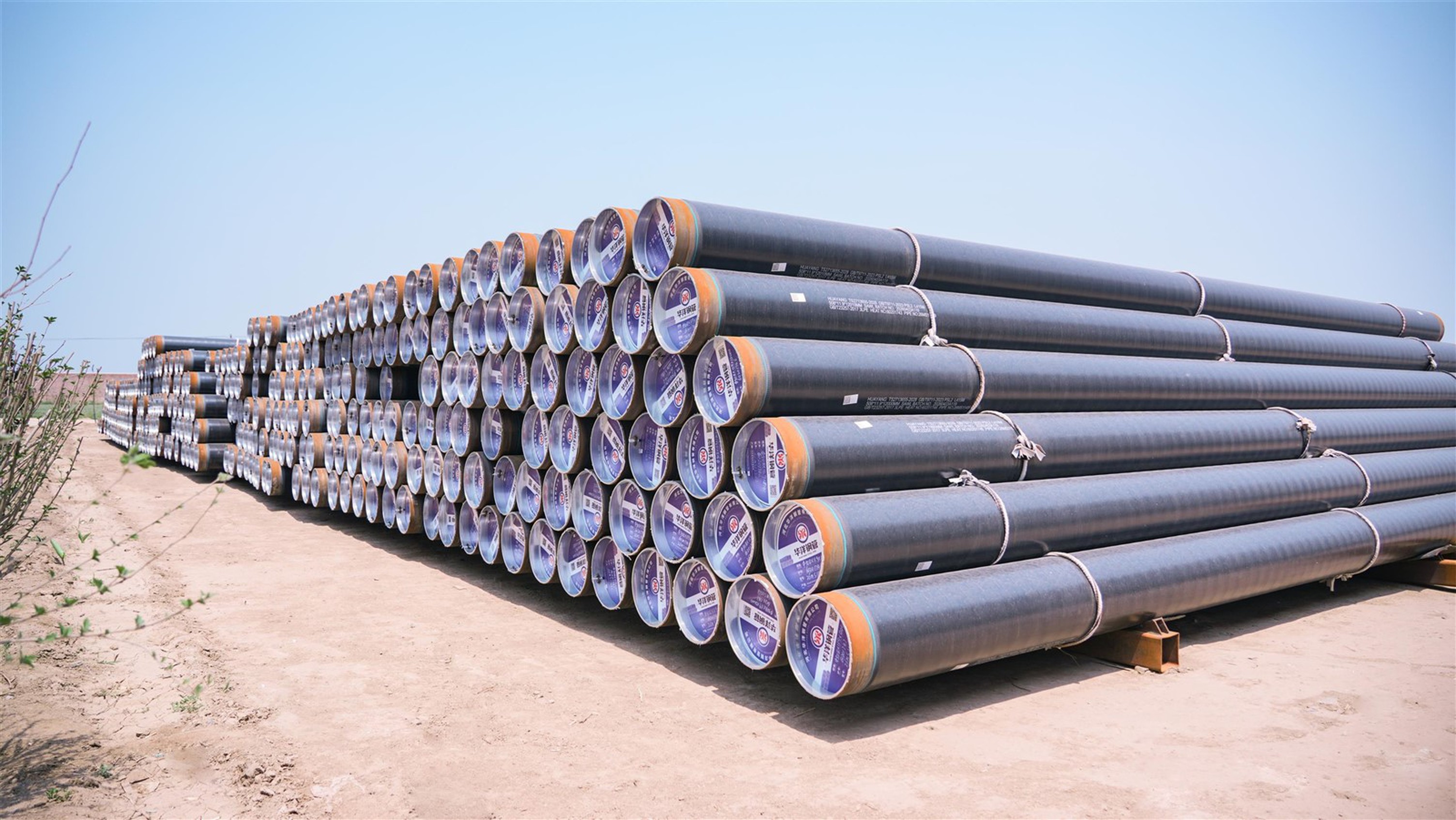
Anti-corrosion steel pipes are equipped with fragile protective coatings and linings, making their storage environment extremely demanding. As the primary carrier for temporary and long-term placement of engineering pipes, the storage yard directly determines the surface integrity, anti-corrosion stability, and service life of steel pipes. Poor site selection often leads to water accumulation, ground moisture erosion, ultraviolet aging, chemical contamination, and mechanical extrusion damage. Even high-quality anti-corrosion pipes may suffer coating blistering, peeling, and secondary corrosion due to unqualified yard conditions. Therefore, implementing standardized site selection is the first and most critical step in pipe storage management. This article elaborates on the basic site selection standards for anti-corrosion steel pipe storage yards with question-based subheadings, providing systematic guidelines for engineering material management.
Why Is Scientific Yard Site Selection the Foundation of Pipe Quality Protection?
Many construction teams regard pipe storage as a simple stacking process and randomly select idle open spaces as storage yards. In fact, the overall environment of the yard determines the long-term storage safety of anti-corrosion pipes. Unlike ordinary building materials, anti-corrosion steel pipes rely entirely on surface protective layers to resist corrosion. Once the yard environment contains humid, polluted, or uneven terrain conditions, the protective structure will suffer continuous invisible damage.
A scientifically selected storage yard can isolate external environmental hazards, maintain the stability of coating performance, and ensure that pipes are delivered to construction sites with intact anti-corrosion performance. In contrast, unreasonable site selection will cause batch quality problems. Damaged pipes require manual repair or scrapping, resulting in increased project costs and delayed construction progress. It is therefore essential to follow unified basic standards when selecting pipe storage yards for formal engineering projects.
What Terrain and Drainage Standards Must a Qualified Yard Meet?
Terrain flatness and drainage capacity are the most fundamental indicators for yard selection, directly preventing humid erosion and water soaking damage to anti-corrosion pipes. A qualified pipe storage yard must adopt high-lying, flat, and solid terrain. Low-lying depressions, natural water collection areas, and muddy depressions are strictly prohibited for pipe stacking.
The yard ground must be level without obvious pits, bulges, and slope deformation. Uneven terrain causes unbalanced stress on stacked pipes, leading to local coating compression damage and pipe body bending deformation. Meanwhile, the yard must be equipped with a reasonable drainage system. A slight ground slope and surrounding drainage ditches are required to ensure rapid discharge of rainwater and accumulated water. Long-term water stagnation on the ground will continuously soak the bottom of the pipe stack, causing coating blistering, delamination, and electrochemical corrosion at the contact position.
In rainy seasons and high-humidity regions, drainage efficiency becomes particularly critical. Standardized drainage design effectively avoids long-term ground humidity, maintains a dry storage environment, and eliminates the primary inducement of coating moisture damage.
What Ground Foundation Requirements Should Be Followed?
The ground foundation is in direct contact with the bottom of steel pipes, so its hardness, flatness, and isolation performance are key site selection indicators. Ordinary bare soil ground cannot be used for anti-corrosion pipe storage. Loose soil is prone to mud accumulation after rain, which adheres to the pipe surface and causes coating contamination and corrosion.
Qualified yard foundations need hard and flat pavement treatment, including concrete paving, gravel rolling compaction, or crushed stone leveling. The hardened ground can effectively isolate the pipes from underground moisture and corrosive substances in the soil. In addition, the foundation surface must be free of sharp stones, protruding impurities, and hard debris, which can scratch and pierce the anti-corrosion coating during pipe placement and slight displacement.
For long-term storage yards, special sleeper laying standards are required. Uniformly arranged wooden or rubber sleepers ensure that the pipe body is evenly stressed and completely isolated from the ground, further improving the safety and stability of pipe storage.
What Environmental Pollution Isolation Standards Are Required?
Anti-corrosion coatings are sensitive to chemical corrosion and air pollutants, so pollution isolation is an indispensable site selection standard. The storage yard must be far away from all kinds of pollution sources that may damage the protective layer, including chemical workshops, acid-base treatment areas, sewage pools, dust-intensive construction areas, and salt fog coastal areas.
Corrosive floating dust, acidic and alkaline gas, and industrial waste gas in the air will continuously erode the pipe surface, accelerating coating aging, discoloration, and performance degradation. Coastal open yards are affected by long-term salt fog erosion, which easily causes galvanized layer rust and organic coating degradation. Therefore, outdoor yards in coastal areas must be equipped with closed shielding and anti-salt fog measures, or alternative indoor warehouse storage should be adopted.
Meanwhile, the yard should maintain a clean and tidy environment without scattered chemical solvents, corrosive materials, and construction waste, ensuring that the pipe surface is always kept clean and free from chemical contamination.
What Ventilation and Lighting Conditions Are Appropriate?
Good ventilation and reasonable lighting conditions are important auxiliary standards for yard selection. A well-ventilated environment can quickly diffuse humid air inside the pipe stack, prevent moisture condensation, and avoid coating mildew and blistering caused by stuffy humidity. Closed, poorly ventilated narrow spaces are not suitable for long-term storage of anti-corrosion pipes.
For lighting control, yards need sufficient light for daily inspection and management, but long-term direct strong ultraviolet exposure must be avoided. Therefore, open-air yards must be equipped with sunshade facilities, while indoor warehouses need to adopt soft light and ventilated windows to balance lighting and anti-aging needs. Reasonable ventilation and lighting effectively extend the safe storage cycle of anti-corrosion pipes and reduce daily maintenance costs.
What Safety and Construction Convenience Standards Should Be Considered?
In addition to anti-corrosion protection performance, yard selection must also meet engineering safety and construction convenience requirements. The storage area should be far away from fire sources, high-temperature equipment, and high-voltage facilities to avoid safety risks such as coating combustion and thermal aging. A safe distance must be reserved between the pipe stack and surrounding buildings to facilitate fire prevention and emergency evacuation.
At the same time, the yard should have convenient transportation passages for daily pipe handling, hoisting, and outbound transportation. The reserved operation space avoids collision and friction damage to pipes during construction, ensuring efficient and safe material turnover.
Conclusion
In summary, the basic site selection standards for pipe storage yards cover terrain drainage, ground foundation treatment, pollution isolation, ventilation and lighting, and safety operation conditions. A qualified storage yard is characterized by flat and solid terrain, efficient drainage, clean and pollution-free environment, good ventilation, and safe operation space. Standardized site selection fundamentally eliminates environmental-induced coating damage, maintains the integrity of anti-corrosion structures, and provides reliable basic guarantees for long-term pipe storage and subsequent construction quality. Engineering management personnel must strictly follow these standards to select and build storage yards, so as to maximize the preservation effect of anti-corrosion steel pipes.


