


Standards and Specifications for Anti-Corrosion Pipes
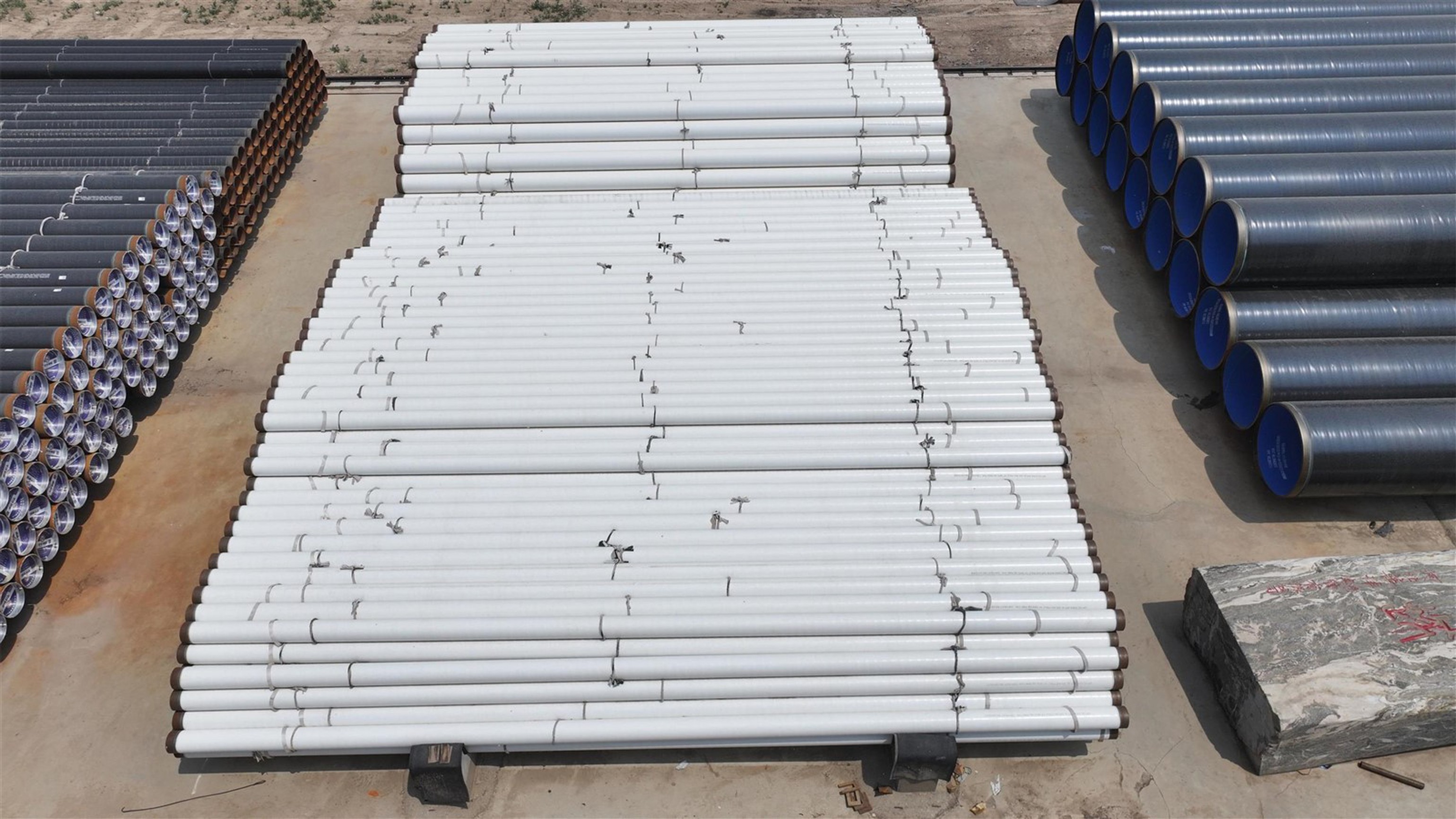
Anti-corrosion steel pipes are indispensable core materials in modern pipeline engineering, widely applied in municipal water supply and drainage, oil and gas transmission, chemical processing, marine engineering, and industrial fluid transportation. Their unique composite structure of carbon steel substrate and anti-corrosion protective layer determines the long-term operational safety and service life of the entire pipeline system. Without unified and standardized technical specifications, irregular material selection, production, construction, storage, and inspection will lead to coating failure, pipeline corrosion, medium leakage, and even engineering safety accidents. Industry standards and specifications serve as the unified technical benchmark for the production, application, and management of anti-corrosion pipes, ensuring product consistency, construction standardization, and project quality controllability. This article systematically sorts out the complete set of standards and specifications for anti-corrosion pipes with question-based subheadings, covering classification, selection, construction, storage, and acceptance, providing comprehensive guidance for engineering practical applications.
What Are the International and Domestic Standard Systems for Anti-Corrosion Pipes?
The quality evaluation and application management of anti-corrosion steel pipes rely on mature international and domestic standard systems, which formulate clear technical indicators for product design, production processes, and performance parameters. Internationally, the most widely recognized specifications include ISO pipeline anti-corrosion standards, ASTM material performance standards, and API petroleum pipeline specifications, which are mainly applicable to cross-border oil and gas projects and large-scale international engineering projects. These international standards strictly define the material composition, coating thickness, bonding strength, pressure resistance, and corrosion resistance of anti-corrosion pipes.
Domestically, anti-corrosion pipe production and application follow unified GB/T national standards and industry-specific specifications. For example, GB/T standards regulate the technical requirements for 3PE external anti-corrosion pipes, epoxy lined steel pipes, and hot-dip galvanized steel pipes, covering product classification, technical parameters, and test methods. In addition, petrochemical, municipal, and water conservancy industries have formulated targeted industry specifications to adapt to different working conditions. The integration of international and domestic standard systems ensures that anti-corrosion pipes meet quality requirements in different engineering scenarios and realize standardized industrial application.
What Classification Standards Govern Anti-Corrosion Pipe Products?
Anti-corrosion pipes have clear classification specifications based on anti-corrosion processes, structural forms, and applicable working conditions, which are the basis for product production and engineering selection. According to industry unified standards, anti-corrosion steel pipes are first divided into external anti-corrosion type, internal lining anti-corrosion type, and composite anti-corrosion type based on protection forms.
External anti-corrosion pipes are represented by 3PE and 2PE polyethylene anti-corrosion pipes and epoxy coal tar pitch anti-corrosion pipes, mainly used for isolating external soil and atmospheric corrosion. Internal lining anti-corrosion pipes take epoxy resin lined pipes as the mainstream, focusing on solving internal medium corrosion and water quality pollution problems. Composite anti-corrosion pipes, such as stainless steel composite pipes and galvanized composite pipes, are suitable for high-corrosion and high-pressure harsh working conditions.
Meanwhile, standards classify anti-corrosion pipes by pressure resistance grade, temperature resistance range, and corrosion resistance level. Different grades of products correspond to fixed application scenarios, avoiding mismatched product selection. For example, heavy-duty anti-corrosion pipes are specially classified for marine and chemical corrosive environments, while conventional anti-corrosion pipes are limited to municipal low-corrosion projects.
What Material and Production Specifications Must Anti-Corrosion Pipes Comply With?
The raw material quality and production process of anti-corrosion pipes directly determine their anti-corrosion performance and structural stability, with strict mandatory specifications in the industry. In terms of base material standards, the carbon steel substrate must meet the requirements of pipeline steel specifications, with qualified wall thickness uniformity, tensile strength, and pressure resistance, and no cracks, pores, or impurities that affect structural strength.
In terms of anti-corrosion layer materials, different protective layers have clear material qualification standards. The polyethylene material of 3PE pipes must have high density, good toughness, and aging resistance; the epoxy resin for internal lining must be non-toxic, environmentally friendly, and chemically inert, meeting water sanitation standards for drinking water projects; the zinc layer material of galvanized pipes must have high purity to ensure electrochemical anti-corrosion performance.
Production process specifications require that the anti-corrosion layer be uniformly coated and closely bonded with the steel substrate, without bubbles, peeling, pinholes, and cracks. Standardized production processes include pretreatment of steel pipe surface derusting, professional coating spraying, high-temperature curing, and finished product cooling, ensuring the bonding strength and thickness uniformity of the protective layer. All production links must strictly follow process specifications to avoid defective products caused by irregular production.
What Working Condition Matching Specifications Guide Anti-Corrosion Pipe Selection?
Scientific pipe selection specifications are core standards to ensure the long-term stable operation of pipelines. Industry specifications clearly define the matching principles between anti-corrosion pipe types and project working conditions, prohibiting blind selection based on experience or cost.
For buried long-distance oil and gas high-pressure pipelines, specifications mandate the use of 3PE heavy-duty anti-corrosion pipes with strong mechanical protection and soil corrosion resistance. For municipal drinking water supply projects, only food-grade epoxy lined anti-corrosion pipes that meet sanitation standards are allowed to prevent secondary water pollution. For sewage and ordinary buried drainage projects, economical epoxy coal tar pitch anti-corrosion pipes are specified to balance performance and cost.
In addition, high-temperature working conditions require high-temperature resistant modified anti-corrosion pipes, and marine salt fog environments require salt-corrosion-resistant composite pipes. The selection specifications also clarify the adaptation range of temperature, pressure, and medium pH value of each pipe type, eliminating quality hazards caused by working condition mismatch.
What Are the Standard Specifications for On-Site Construction and Installation?
Construction and installation specifications are key links to ensure the anti-corrosion performance of finished pipes. Even qualified products will fail to meet operational requirements due to irregular construction. The core construction specifications focus on protection of the anti-corrosion layer, welding treatment, and interface anti-corrosion repair.
During on-site handling and laying, construction specifications prohibit dragging, rolling, and violent collision of pipes, requiring the use of soft cushioning tools to avoid coating scratches and peeling. For pipeline welding joints, which are the weakest anti-corrosion parts, specifications require professional secondary anti-corrosion repair after welding, using matching coating materials to ensure the integrity of the overall protective layer.
In addition, the pipeline laying slope, burial depth, and interface sealing must comply with unified specifications. Excessively shallow burial will lead to external pressure damage, and unstandardized sealing will cause moisture penetration and local corrosion. Standardized construction operation ensures that the anti-corrosion system remains intact after pipeline installation.
What Storage and Transportation Specifications Regulate Anti-Corrosion Pipe Management?
Anti-corrosion pipes have dedicated storage and transportation specifications to avoid secondary damage before installation. The specifications clearly require classified storage of different pipe types, prohibiting mixed stacking that causes cross scratches. The stacking height is strictly limited according to pipe diameter and coating fragility, preventing extrusion deformation and coating compression damage.
Storage environment specifications require flat, well-drained, pollution-free yards, with necessary sunshade, waterproof, and ventilation measures to prevent ultraviolet aging, moisture blistering, and chemical contamination of the anti-corrosion layer. During transportation, soft binding materials and cushioning protection are mandatory to avoid friction and impact damage during transit. Temporary on-site stacking must also follow standardized management specifications to ensure no quality deterioration during storage and transportation.
What Inspection and Acceptance Specifications Apply to Finished Pipes?
Finished product inspection and acceptance are the final quality control barriers for anti-corrosion pipes, with clear quantitative specifications for detection indicators. Before leaving the factory and entering the construction site, anti-corrosion pipes must undergo strict sampling inspection in accordance with industry standards.
Key inspection items include coating thickness uniformity, bonding strength, impact resistance, corrosion resistance, and surface integrity. The coating thickness must reach the standard value specified by the grade, without local ultra-thin defects; the bonding test ensures no separation between the protective layer and the steel substrate; the impact test verifies the mechanical toughness of the coating to adapt to construction and operational impact.
For pipes used in special industries such as drinking water and chemical engineering, additional sanitation tests and medium corrosion resistance tests are required. Only products that pass all acceptance indicators can be put into construction. Defective products must be marked and isolated, and are prohibited from being used in engineering projects.
Conclusion
In summary, the complete standards and specifications for anti-corrosion pipes cover international and domestic standard systems, product classification, material production, working condition selection, construction installation, storage transportation, and finished product acceptance. These standardized specifications form a closed-loop quality management system for anti-corrosion pipes from production to application. Strictly abiding by relevant standards is the fundamental guarantee for maintaining the anti-corrosion performance of steel pipes, extending pipeline service life, and eliminating engineering safety hazards. For engineering practitioners, standardizing the whole-process management of anti-corrosion pipes in accordance with industry specifications is crucial to improving project quality, reducing operational maintenance costs, and realizing long-term stable operation of pipeline systems.


