


How to Choose the Right Anti–Corrosion Steel Pipe for a Specific Project?
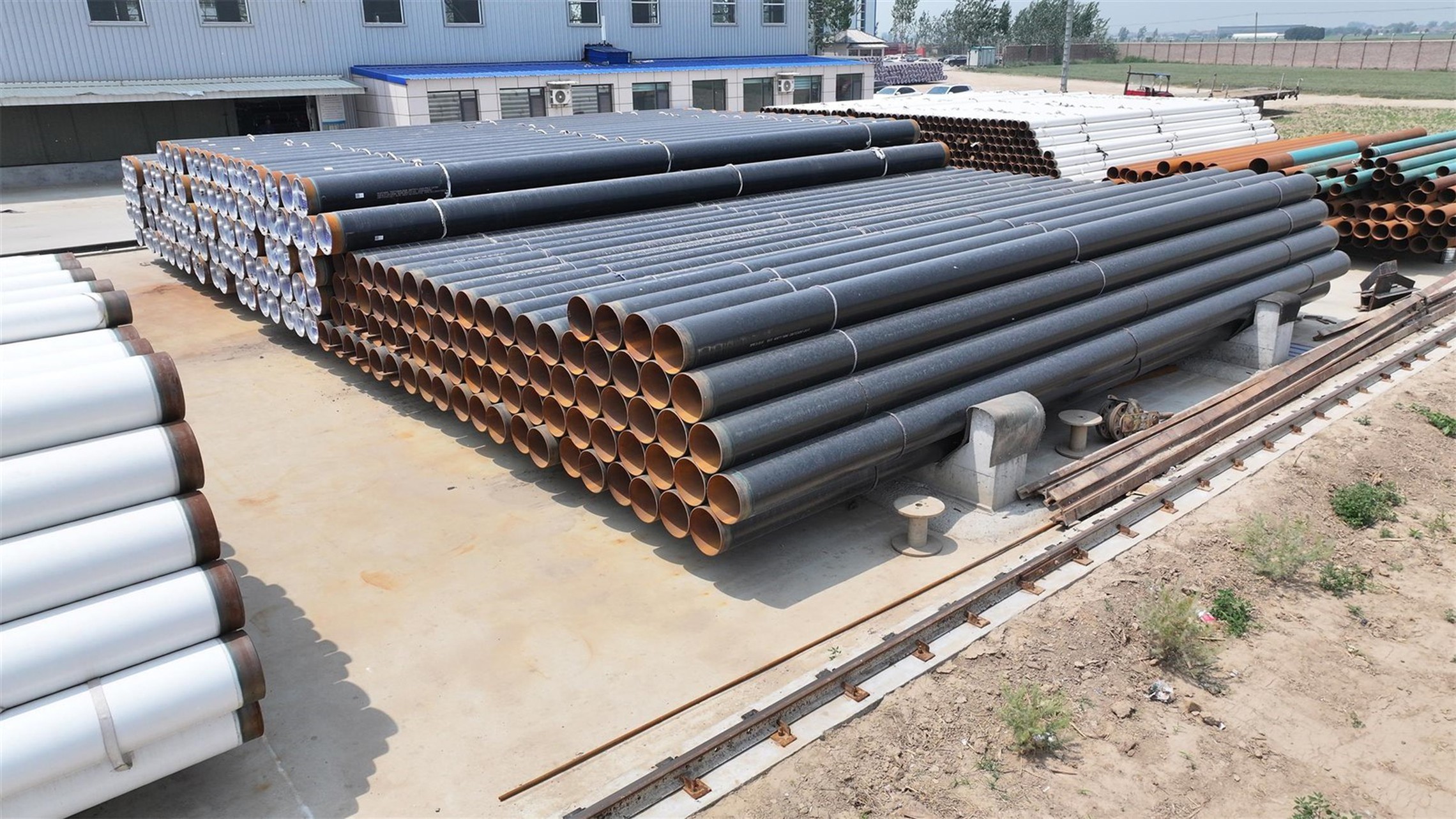
Steel pipes are the backbone of modern industrial, municipal, and infrastructure projects, widely used for transporting water, oil, gas, chemicals, and sewage. However, ordinary carbon steel pipes are highly susceptible to corrosion when exposed to moisture, chemicals, saline environments, and extreme temperatures. Corrosion not only reduces pipe wall thickness and structural strength but also causes leakage, pipeline failure, equipment damage, and even safety accidents. To extend service life, reduce maintenance costs, and ensure long-term operational stability, anti-corrosion steel pipes have become essential for modern piping engineering. Nevertheless, with a wide variety of anti-corrosion steel pipes featuring different base materials, coating technologies, and corrosion resistance levels, many project engineers face confusion in model selection. How to select the most suitable anti-corrosion steel pipe for a specific project? What key factors should be prioritized during selection? How to match pipe types with working conditions? This article answers these core questions in detail, providing a systematic selection guide for engineering practitioners.
Why Is Anti-Corrosion Pipe Selection Critical for Project Success?
Corrosion is the primary cause of pipeline failure in engineering projects. Statistics from global piping industry research show that more than 30% of annual pipeline maintenance and replacement costs are attributed to steel pipe corrosion damage. Improper selection of anti-corrosion steel pipes will lead to severe consequences throughout the project lifecycle. In the short term, mismatched anti-corrosion layers may peel off, crack, or fail under working pressure and temperature, causing fluid leakage, project shutdown, and economic losses. In the long term, persistent corrosion will weaken pipe structural performance, trigger pipe burst accidents, and pose major safety hazards to personnel and equipment.
Conversely, scientific and accurate anti-corrosion pipe selection can significantly extend pipeline service life, reduce later maintenance frequency, and improve project overall cost-effectiveness. Ordinary uncoated steel pipes may fail within 3 to 5 years in corrosive environments, while qualified anti-corrosion steel pipes can maintain stable performance for 20 to 50 years. Therefore, selecting the right anti-corrosion steel pipe is not only a basic technical requirement but also a key link to ensure project quality, operational safety, and long-term economic benefits.
What Core Project Conditions Need to Be Evaluated Before Selection?
The selection of anti-corrosion steel pipes cannot rely on experience alone; it must be based on a comprehensive evaluation of actual project working conditions. Four core conditions determine the final selection result: transported medium characteristics, operating temperature and pressure, laying environment, and project service life requirements.
First, the transported medium is the most decisive factor. Different media have distinct corrosive properties. Clean water and domestic sewage belong to low-corrosion media, while industrial wastewater, acid and alkali solutions, crude oil with sulfur components, and chemical reagents are highly corrosive. The pH value, salinity, impurity content, and viscosity of the medium directly affect the attenuation rate of anti-corrosion layers.
Second, operating temperature and pressure determine the structural stability of anti-corrosion coatings. High temperature will accelerate the aging and peeling of organic anti-corrosion layers, while excessive pressure may cause coating deformation and damage. Low-temperature environments may lead to coating brittleness and cracking. High-pressure pipelines require anti-corrosion pipes with high mechanical strength and bonding performance.
Third, the laying environment includes underground burial, open-air exposure, underwater immersion, and indoor laying. Underground pipelines face soil corrosion caused by soil salinity and humidity; open-air pipelines suffer from alternating temperature, ultraviolet radiation, and rain erosion; marine and underwater pipelines bear severe salt corrosion and hydrodynamic impact.
Fourth, service life requirements vary by project type. Municipal water supply projects usually require a service life of more than 30 years, while temporary industrial pipelines only need 5 to 10 years of stable operation. Long-life projects require high-grade anti-corrosion processes and thickened coating layers, while short-term projects can adopt cost-effective conventional anti-corrosion solutions.
What Are the Common Types of Anti-Corrosion Steel Pipes and Their Features?
According to different anti-corrosion processes and coating materials, mainstream anti-corrosion steel pipes in the market can be divided into three categories: external coated anti-corrosion pipes, internal lined anti-corrosion pipes, and integrated anti-corrosion alloy steel pipes. Each type has unique performance characteristics and applicable scenarios.
The first type is 3PE/2PE external anti-corrosion steel pipes, the most widely used product in oil and gas long-distance pipelines. This process adopts three-layer polyethylene coating, with strong adhesion, excellent waterproof and anti-oxidation performance, and strong resistance to soil corrosion and mechanical impact. It is suitable for buried high-pressure pipelines and has a service life of more than 30 years, but its cost is relatively high, and it is not suitable for high-temperature medium transportation.
The second type is epoxy coal tar pitch anti-corrosion steel pipes, which are cost-effective and widely used in sewage and municipal water supply projects. The coating has good acid and alkali resistance and moisture resistance, adapting to conventional underground soil environments. However, its mechanical strength is general, and it is prone to wear during construction, making it unsuitable for pipelines requiring frequent maintenance and high mechanical impact.
The third type is internal epoxy resin lined anti-corrosion steel pipes. By lining a smooth epoxy resin layer inside the steel pipe, it effectively isolates corrosive media from the steel base. It features smooth inner wall, small fluid resistance, and excellent anti-scaling and anti-corrosion performance, ideal for drinking water transportation and low-corrosion industrial fluid pipelines.
The fourth type is stainless steel composite anti-corrosion pipes, which use carbon steel as the base and stainless steel as the inner lining. They combine the high strength of carbon steel and the corrosion resistance of stainless steel, suitable for high-corrosion chemical medium transportation and high-temperature and high-pressure working conditions, though with the highest procurement cost.
How to Match Anti-Corrosion Pipe Types with Specific Working Conditions?
Accurate matching between pipe type and working conditions is the core of scientific selection. For low-corrosion conventional projects such as municipal domestic water supply and rainwater drainage, epoxy coal tar pitch anti-corrosion pipes or ordinary lined plastic steel pipes are the best choice, balancing performance and cost. These projects have low medium corrosiveness and conventional buried environment, so basic anti-corrosion performance can meet long-term operation needs.
For long-distance buried oil, natural gas, and petrochemical pipelines with high pressure and strict safety standards, 3PE anti-corrosion steel pipes are mandatory. Their strong mechanical protection and anti-aging performance can resist complex soil corrosion and external construction extrusion, avoiding pipeline leakage and explosion risks caused by coating damage.
For drinking water and food-grade fluid transportation projects, internal epoxy lined anti-corrosion pipes must be selected. Their non-toxic, tasteless, and hygienic coating materials meet national health standards, preventing secondary pollution of water quality while resisting internal medium corrosion.
For industrial projects transporting strong acid, strong alkali, high-salinity, and high-temperature corrosive media, stainless steel composite pipes or high-grade modified epoxy anti-corrosion pipes are required. Conventional organic coatings will quickly fail in such harsh environments, and only high-strength composite anti-corrosion structures can ensure long-term stable operation.
For open-air and marine engineering pipelines exposed to ultraviolet radiation and salt fog for a long time, modified weather-resistant anti-corrosion coatings or galvanized composite anti-corrosion pipes should be selected to avoid coating aging and peeling caused by ultraviolet rays and salt fog erosion.
What Cost and Construction Factors Should Be Considered in Selection?
In addition to performance matching, project cost and construction feasibility are also key factors affecting selection decisions. Many engineers blindly pursue high-grade anti-corrosion pipes, resulting in excessive project costs and waste of resources, while excessive pursuit of low prices leads to hidden dangers in project quality.
In terms of cost control, temporary projects and low-corrosion environments should prioritize economical conventional anti-corrosion pipes to reduce investment. Permanent infrastructure and high-risk industrial pipelines need to prioritize performance, even if the initial cost is higher, because they can save a large amount of later maintenance and replacement costs. In addition, the transportation cost of anti-corrosion pipes should be considered; thick-coated high-strength anti-corrosion pipes are heavy and have higher transportation and hoisting costs.
In terms of construction feasibility, different anti-corrosion pipes have different construction requirements. 3PE anti-corrosion pipes have high requirements for welding and port anti-corrosion treatment, requiring professional construction processes. Lined anti-corrosion pipes are easy to construct but need to avoid violent collision during transportation and laying to prevent lining peeling. For complex terrain projects with many bends and joints, flexible anti-corrosion pipes with strong adaptability should be selected to reduce construction difficulty.
What Acceptance and Quality Standards Should Be Followed for Final Selection?
After determining the pipe type, engineers must verify product quality through industry standards to avoid unqualified anti-corrosion pipes entering the construction site. All anti-corrosion steel pipes must comply with national and industry specifications such as GB/T and ISO standards, including coating thickness uniformity, bonding strength, impact resistance, and anti-aging performance indicators.
During inspection, the surface of the anti-corrosion layer should be free of cracks, peeling, bubbles, and pinholes. The coating thickness must meet the design requirements, and the bonding test should ensure that the coating and the steel base are closely combined without separation. For high-grade anti-corrosion pipes, sampling corrosion resistance tests and pressure resistance tests are required to verify their adaptability to actual working conditions.
Conclusion
Choosing the right anti-corrosion steel pipe for a specific project is a systematic work that requires comprehensive consideration of working conditions, pipe performance, project life, cost, and construction conditions. There is no universal best anti-corrosion pipe, only the most suitable one. Engineers must first clarify the corrosive characteristics of the medium, operating parameters, and laying environment, then match the corresponding anti-corrosion process and pipe type, and finally verify the product quality through standard acceptance specifications. Scientific selection can not only ensure the safe and stable operation of the pipeline system but also maximize the economic benefits of the project, providing a solid foundation for the long-term and reliable operation of engineering infrastructure.


