


How Do Their Anti-Corrosion Mechanisms and Performance Differ?
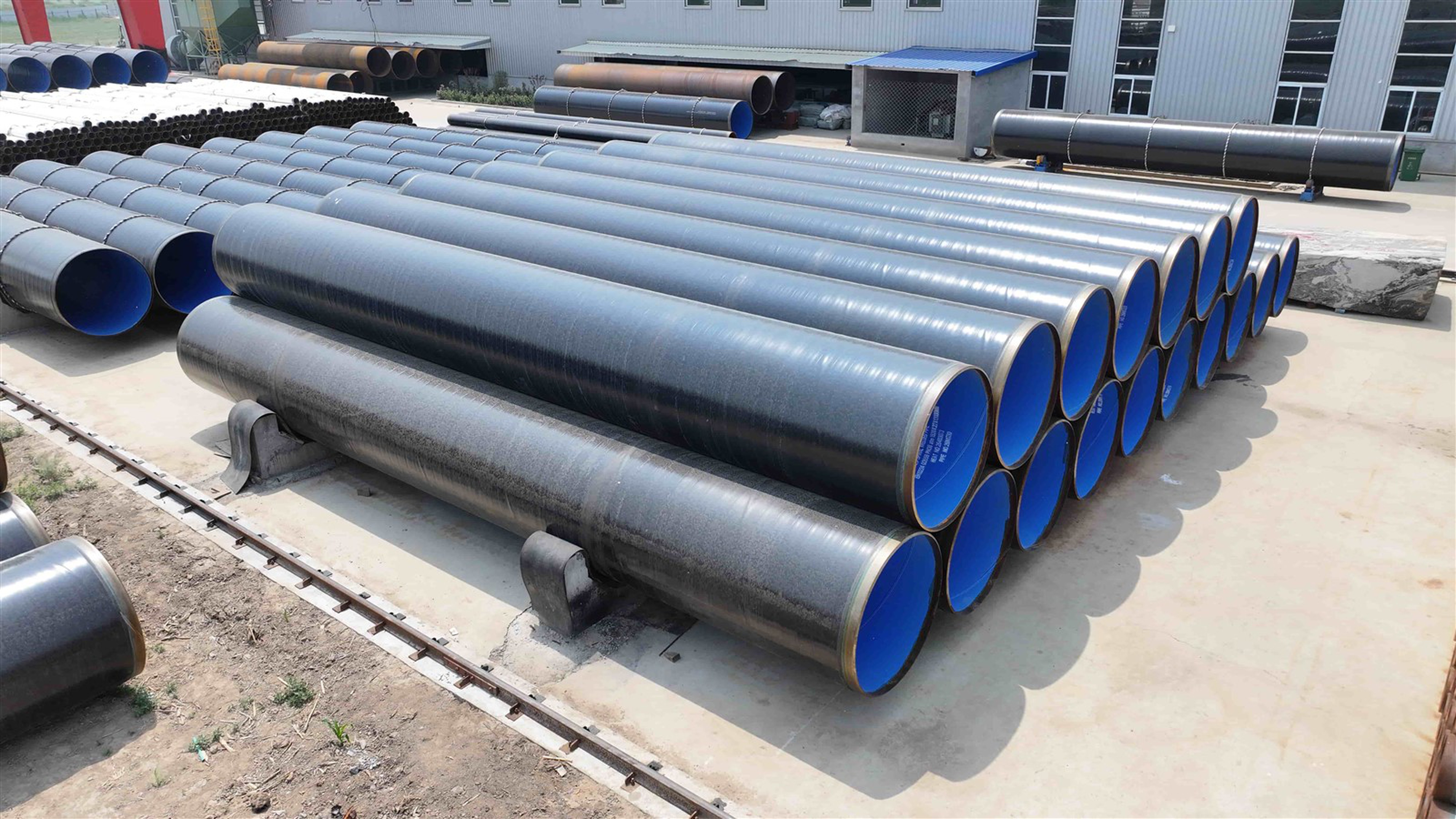
Galvanized steel pipes and professional anti-corrosion steel pipes are the two dominant steel pipe types for rust prevention in modern pipeline engineering. Although both are designed to resist metal corrosion and extend the service life of steel substrates, they adopt completely different anti-corrosion working principles. The gap in their internal protection mechanisms further leads to obvious differences in environmental adaptability, durability, mechanical resistance and comprehensive performance. In practical engineering applications, distinguishing their mechanism and performance differences is the key to scientific pipe selection and avoiding engineering risks. This article discusses the core differences between the two pipe products from the perspective of anti-corrosion principles and practical performance.
What Is the Anti-Corrosion Mechanism of Galvanized Steel Pipes?
The anti-corrosion principle of galvanized steel pipes is based on electrochemical sacrificial protection, which is a passive metal anti-rust mechanism. Zinc has a much lower electrochemical potential than carbon steel, making it more chemically active. When the outer zinc coating is exposed to air, water or humid soil, the zinc layer will preferentially undergo oxidation and corrosion reactions instead of the steel matrix. In this process, the zinc metal is continuously consumed as a sacrificial anode, while the steel pipe body, as the protected cathode, is completely isolated from corrosion damage.
In addition to sacrificial protection, the intact zinc layer can also form a physical barrier. The dense zinc alloy layer covers the steel surface, blocking the direct contact between external corrosive media and the steel substrate. However, this dual protection has obvious limitations. Once the zinc coating is scratched, worn or locally oxidized completely, the sacrificial protection effect will disappear rapidly. The exposed steel part will form a galvanic cell with the remaining zinc layer, accelerating the local rusting and corrosion of the steel pipe, which cannot provide long-term stable protection.
What Is the Anti-Corrosion Mechanism of Professional Anti-Corrosion Steel Pipes?
Different from the single electrochemical protection of galvanized pipes, professional anti-corrosion steel pipes adopt a composite anti-corrosion mechanism dominated by physical isolation and supplemented by chemical stability. Relying on multi-layer high-molecular coating structures such as 3PE and epoxy coal tar pitch, they form a thick, seamless and high-density protective film on the inner and outer walls of steel pipes. This coating has extremely low water absorption and air permeability, which can completely isolate oxygen, moisture, acid-base substances and microbial corrosives in the external environment from the steel matrix.
Moreover, the special chemical properties of anti-corrosion coatings enable them to resist chemical erosion stably. Epoxy and polyethylene materials have inert chemical characteristics, do not react with most acidic, alkaline and salty media, and will not fail due to electrochemical reactions. Even if the coating has slight scratches, the overall isolation structure will not be destroyed, and the local corrosion will not spread rapidly. This non-sacrificial and stable isolation mechanism makes its anti-corrosion logic more reliable and durable than that of galvanized steel pipes.
How Do Their Durability and Service Life Perform?
There is a huge gap in the service life of the two steel pipes under the same service environment. In conventional indoor dry environments, galvanized steel pipes can maintain good anti-rust performance for 8 to 10 years. However, in humid, rainy or slightly corrosive outdoor environments, the zinc layer is consumed rapidly, and obvious rust and coating peeling will occur within 3 to 5 years. Especially in buried environments, soil salinity and microbial corrosion will greatly accelerate the failure of the zinc coating, requiring frequent maintenance and replacement.
Professional anti-corrosion steel pipes show excellent long-term durability. Standard 3PE anti-corrosion steel pipes can work stably for more than 30 years in buried soil environments, and epoxy coal tar pitch anti-corrosion pipes can resist sewage and chemical medium corrosion for more than 25 years. The composite coating will not age or fail in a short term, and the overall structure remains intact. Without manual damage, it basically does not need special maintenance during the service period, realizing long-term zero-maintenance operation.
How Do They Adapt to Complex and Harsh Environments?
Galvanized steel pipes can only adapt to mild and low-corrosion environments. They perform well in indoor water supply, indoor fire protection and dry building support scenarios. But they are extremely ineffective in harsh environments such as high salinity, strong acid and alkali, long-term water immersion and buried laying. The zinc layer is prone to rapid chemical dissolution and pulverization in corrosive media, resulting in complete failure of anti-corrosion performance in a short time.
Anti-corrosion steel pipes have strong environmental adaptability and can cope with almost all complex engineering environments. Multi-layer composite coatings can resist high-salinity coastal corrosion, industrial acid-base wastewater erosion, long-term underground humid corrosion and high-temperature medium corrosion. The targeted coating design enables different types of anti-corrosion pipes to adapt to differentiated working conditions, filling the performance defects of galvanized pipes in harsh scenarios.
What Is the Comprehensive Performance Gap in Practical Application?
In terms of mechanical protection, the anti-corrosion coating of professional steel pipes has better wear resistance and impact resistance, which can resist friction and collision during transportation and buried construction, avoiding local damage. In contrast, the zinc layer of galvanized pipes is soft and easy to scratch and fall off during construction, leaving hidden corrosion dangers. In terms of medium adaptability, galvanized pipes are only suitable for conventional clean water and gas transmission, while anti-corrosion pipes can transport sewage, chemical media and high-temperature fluids.
To sum up, galvanized steel pipes rely on simple electrochemical sacrificial protection with limited performance and narrow application scope, suitable for short-term and mild environments. Professional anti-corrosion steel pipes rely on stable physical and chemical composite protection, with outstanding durability and strong environmental adaptability, which is the reliable choice for long-term and high-standard engineering projects.


